
What a stingless bee colony costs, and what drives the difference
Ask three sellers and you will get three very different numbers for what sounds like the same colony. Four factors explain most of that difference.
1. Colony strength
The biggest factor by far. A colony with a large solid brood and bees covering the comb is worth several times a freshly split one with a thin brood. Since strength is hard for a beginner to judge, this is also where most overpaying happens.
2. Age and season
A colony that has been through at least one full rainy season is proven. One split a month ago is a gamble, and should be priced as one. Ask when it was split and from which mother colony.
3. What comes with it
Some sellers include the box only. Others include setup guidance, a follow-up call during the first season, and a replacement policy if the colony fails from a fault in the colony itself. For a first-time keeper, that support is worth more than the price difference — most beginners lose their first colony to preventable mistakes.
4. Species
Species differ in colony size, ease of keeping and yield. Larger, more manageable species tend to cost more. What matters more for a beginner is that the seller can tell you which species it is.
What a low price usually means
Either the colony is weak, or it was split too recently, or the seller bought it from elsewhere and knows nothing about it. Occasionally it means a genuine keeper clearing surplus after a good season — worth asking about, but not the usual case.
What you are really buying
Not a box of insects but a head start of roughly a year. A colony you raise from a split takes about that long to reach the same point. Judging price against that saved year makes the number easier to read.
Frequently asked
Is it cheaper to catch a wild colony?
It costs nothing but succeeds rarely, and a colony transferred badly from a tree cavity often fails. For a first colony it is not the sensible route.
Should I buy two colonies instead of one?
Yes. With one colony you have nothing to compare against when something looks odd. Two is the sensible starting number.
Do prices drop in any season?
Established farms tend to hold prices and simply run out of colonies. Steep discounts usually signal weak stock.
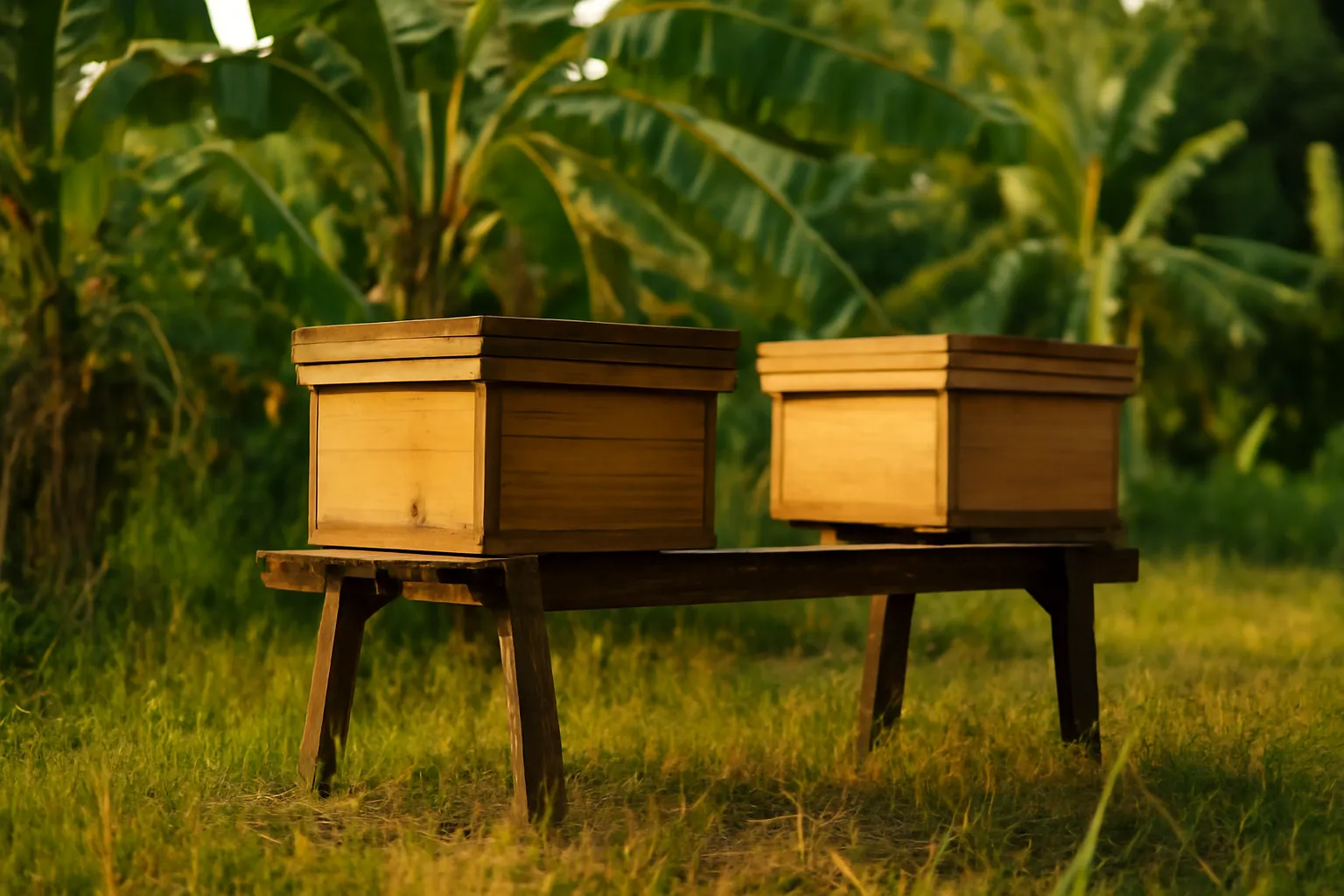
How many colonies should a beginner start with
One is too few to learn from, and ten is more than a garden or a beginner can carry. Where the sensible number sits.

Buying bees online: how to check a seller before you transfer money
You cannot inspect the brood through a screen. Five things that substitute for it, and one that never does.
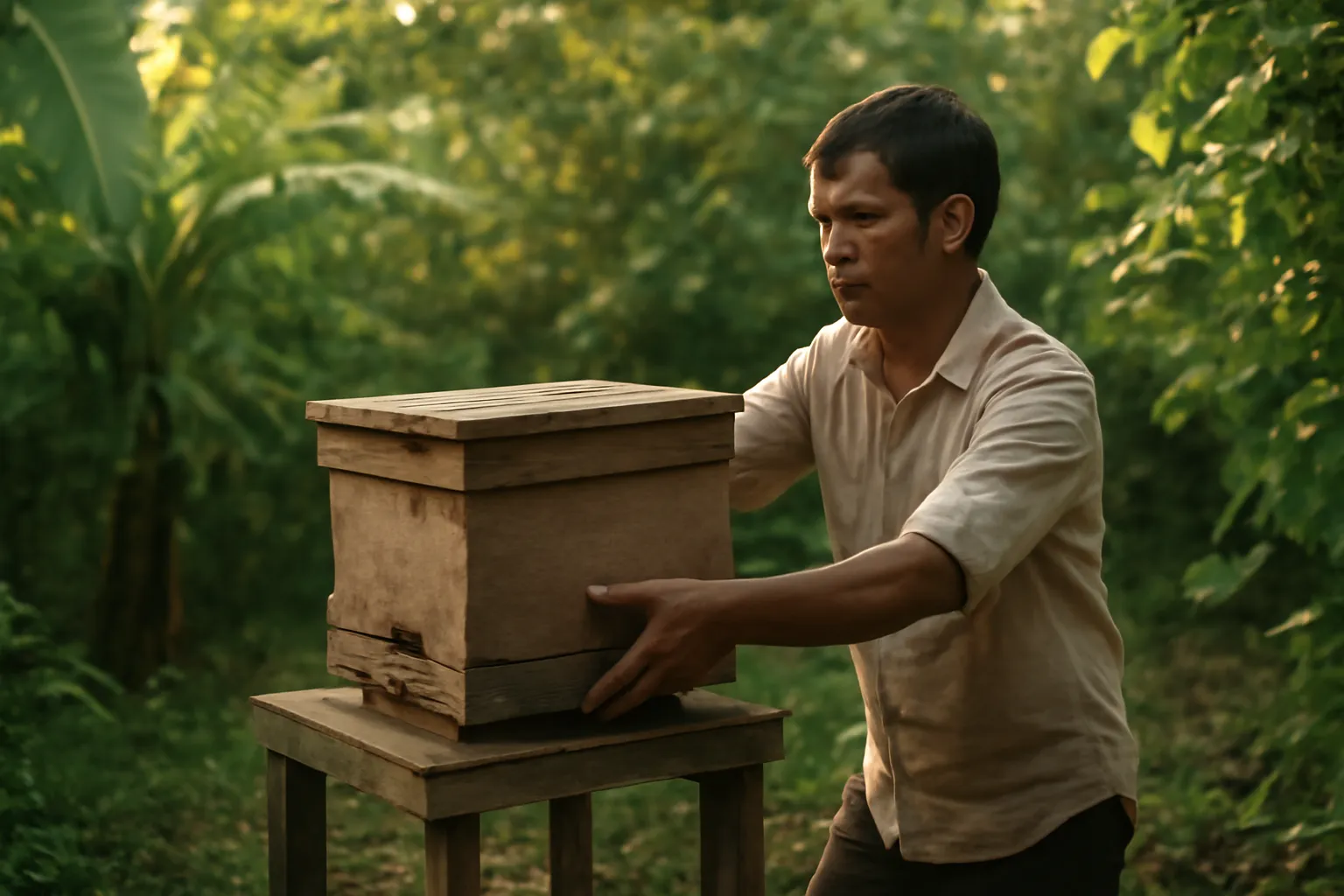
Bringing a colony home: the first seven days
The first week decides whether the colony stays or leaves. What to do each day, and what never to do.
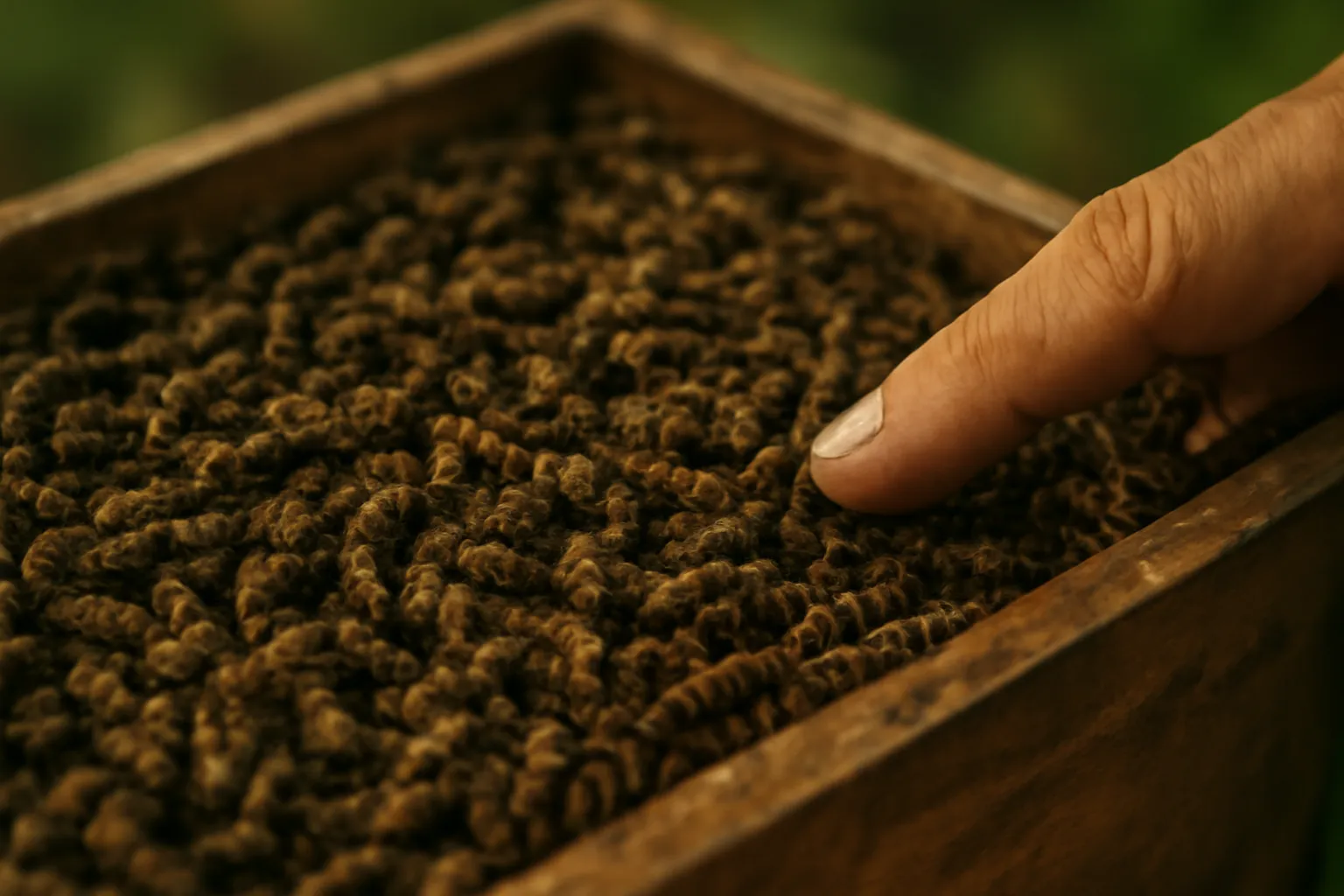
Strong colony or weak colony: reading it with the naked eye
You do not need equipment to judge a colony. Four visual signals and what each of them means.

What to look at before you pay for a stingless bee colony
Six things to check with your own eyes when inspecting a colony, and the one question that separates real keepers from resellers.
 ›
×
›
×
A single-origin stingless bee honey from our own apiary in Trang Bang, Tay Ninh. Harvested and bottled by batch, traceable to the colony.
Vietnamese stingless bee honey, built for export
© 2026 Aron Bee. All rights reserved. · Copyright · OD-1C4F-F69A