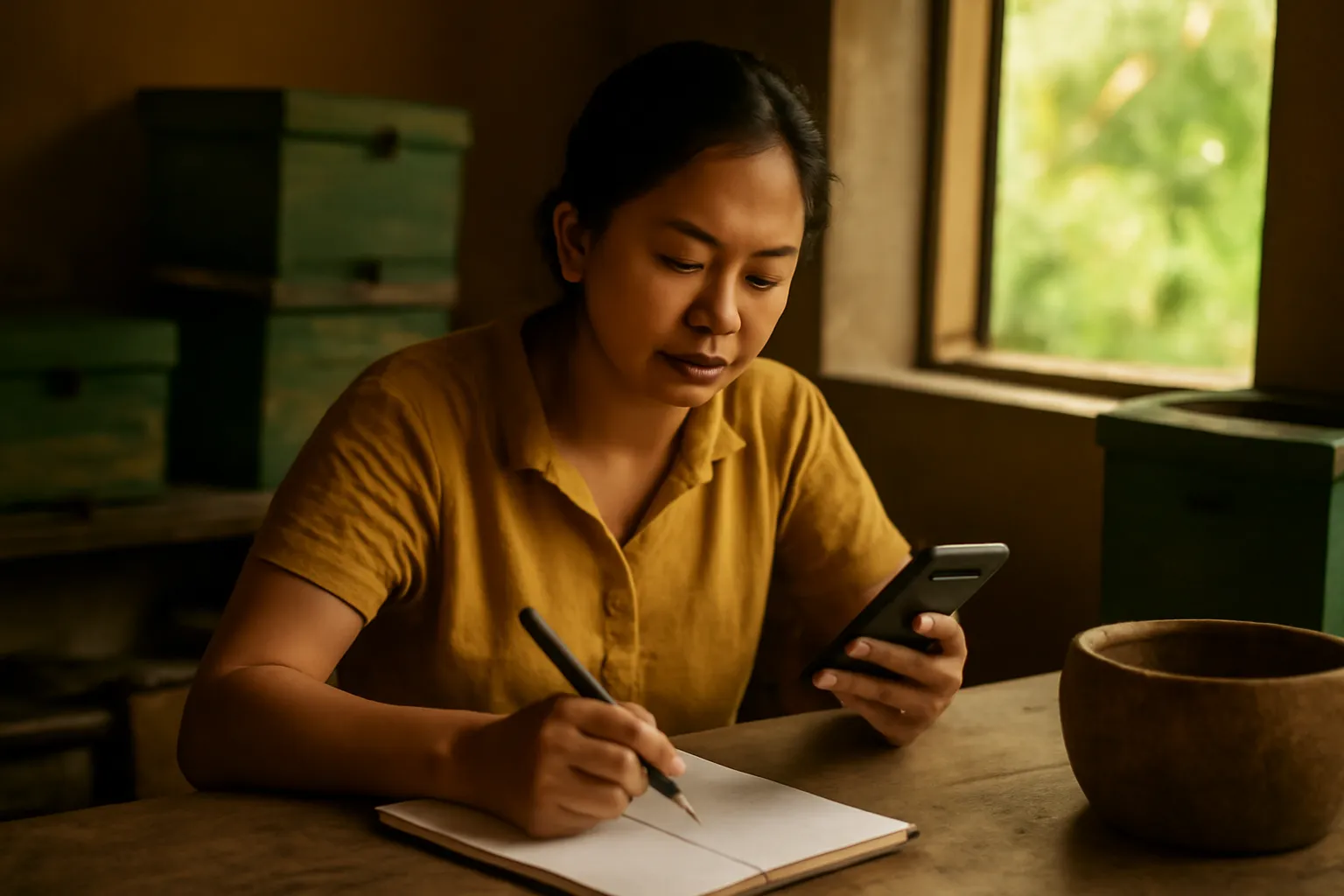
Buying bees online: how to check a seller before you transfer money
Buying a colony you cannot inspect means trusting whatever the seller chooses to show you. These checks substitute for standing beside the box.
1. Ask for video with the lid open
Not product photos — a video where the seller lifts the lid and pans slowly across the brood. This is easy for a real keeper and awkward for a reseller. Ask them to hold on the brood mass for a few seconds so you can see whether it is solid or patchy.
2. Ask for a live video call
Ten minutes on a call, at the apiary, in daylight. You can ask them to count entrance traffic with you. A seller who will not do this is telling you something.
3. Ask technical questions
How many times did you split last year. What do you use against ants. Which species is this. A keeper answers immediately and usually adds detail. A reseller redirects to price and delivery.
4. Ask about after-sale support
What happens if the colony absconds in the first month. A serious seller has a clear answer, including the limits — they will not cover a colony lost to bad placement or ants, and saying so is a good sign, not a bad one.
5. Check that they exist offline
A real address, a phone number that gets answered, a business name. A seller with only a social media account and a bank number is a real risk.
What never substitutes for inspection
Reviews and follower counts. Both can be bought, and neither tells you anything about the specific colony being sent to you.
On transport
Colonies travel best sealed at night with a breathable mesh over the entrance, and should be opened at the destination as soon as they arrive. Agree on this before you pay — a colony shipped sealed through a hot afternoon may not survive.
Frequently asked
Is a deposit normal?
A modest deposit is common when a colony is reserved for you. Being asked to pay in full before any video or call is not.
What if the colony arrives weak?
Photograph it before doing anything else, ideally with the lid open, and contact the seller the same day.
Is it better to travel and collect in person?
Yes, whenever it is practical. Everything above is a substitute for what you get by being there.
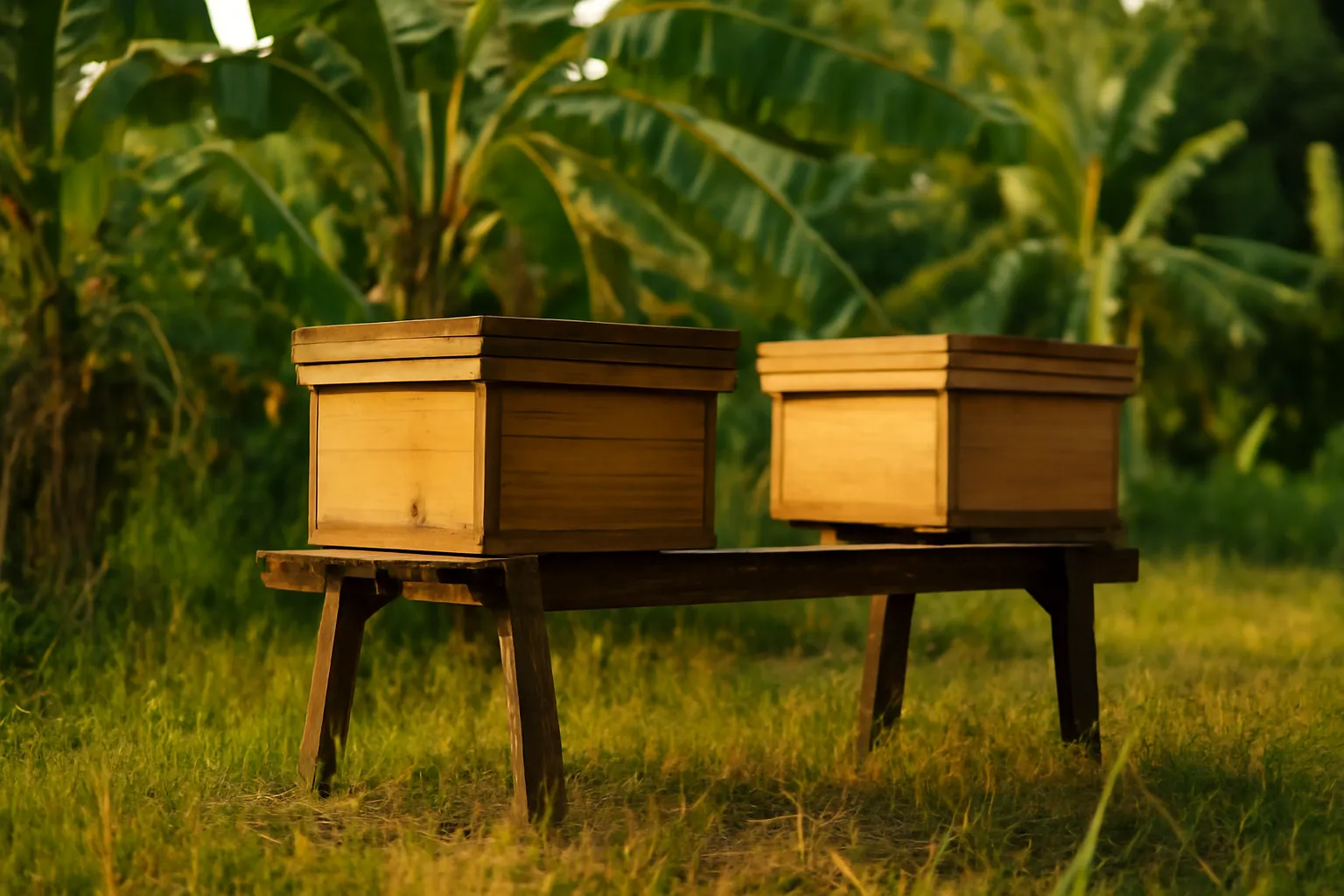
How many colonies should a beginner start with
One is too few to learn from, and ten is more than a garden or a beginner can carry. Where the sensible number sits.
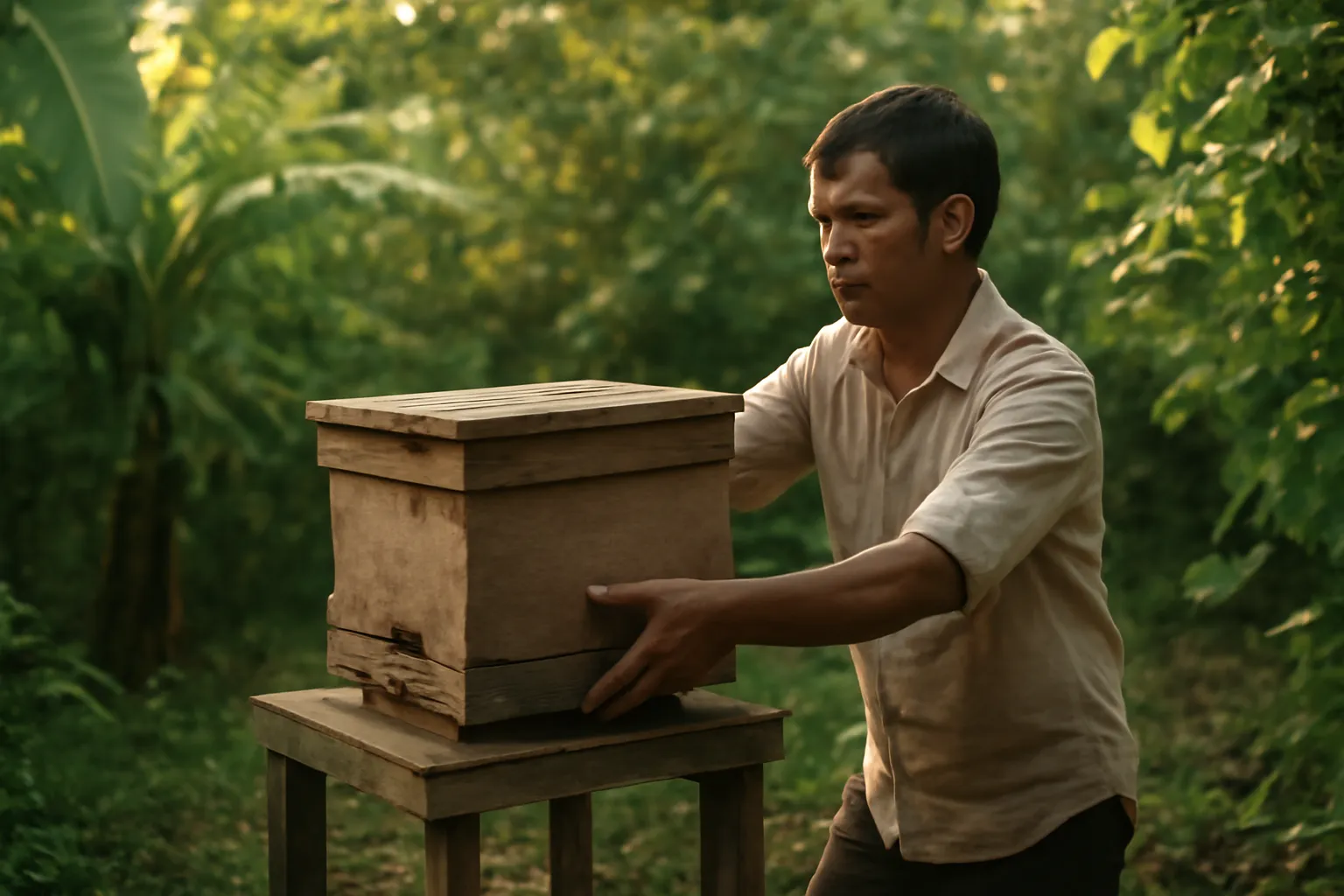
Bringing a colony home: the first seven days
The first week decides whether the colony stays or leaves. What to do each day, and what never to do.
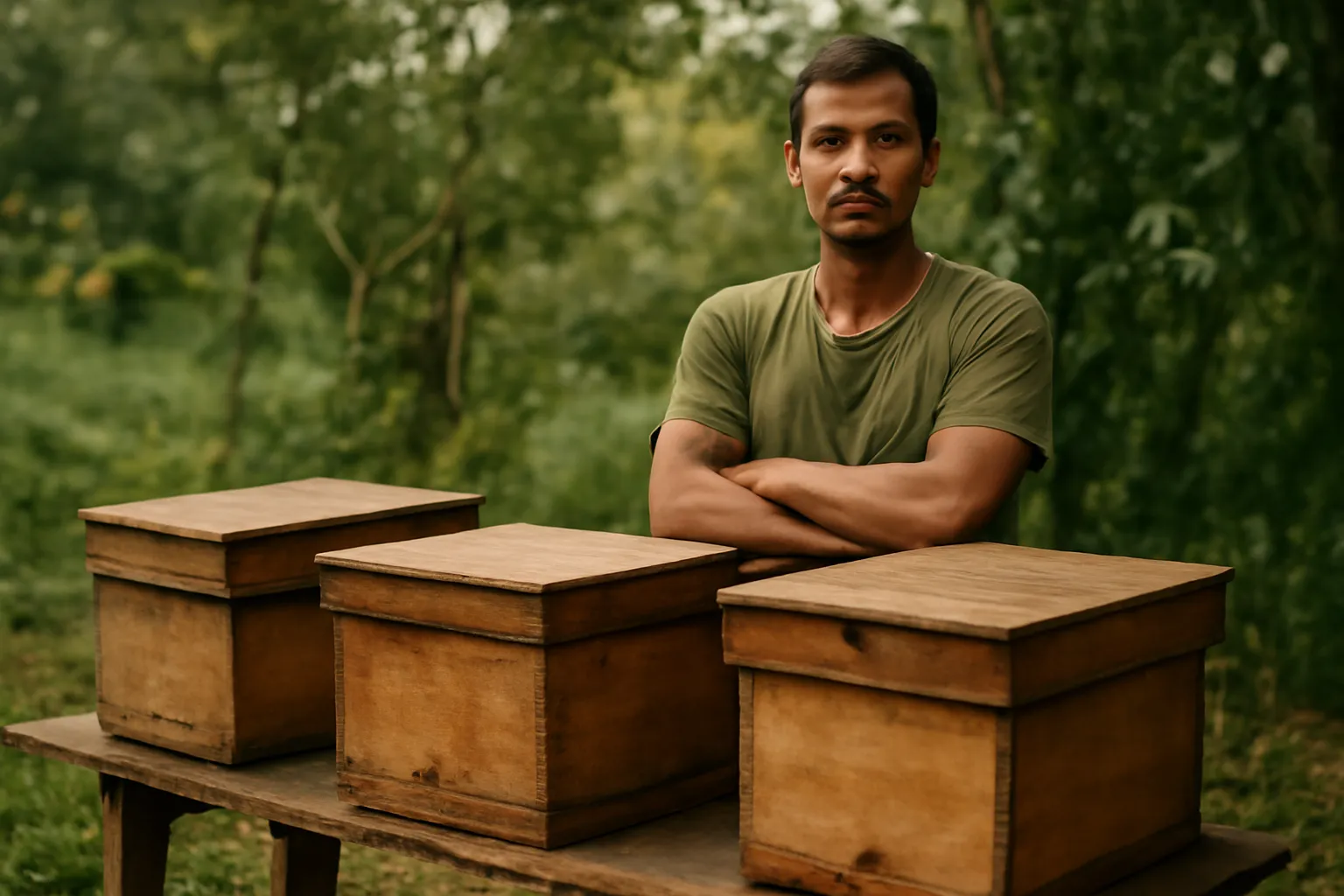
What a stingless bee colony costs, and what drives the difference
Prices vary widely for what looks like the same thing. Four factors that explain most of the gap.
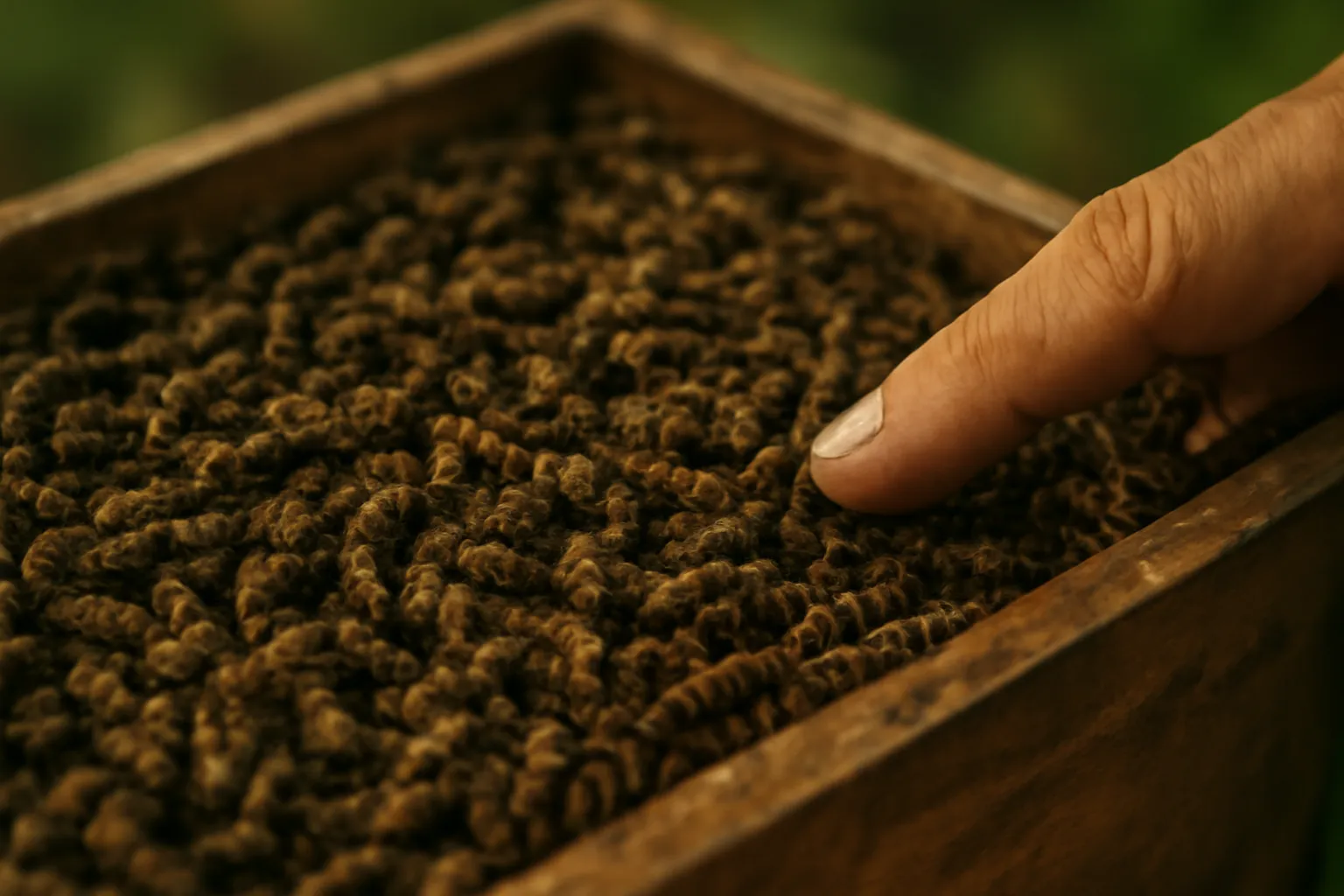
Strong colony or weak colony: reading it with the naked eye
You do not need equipment to judge a colony. Four visual signals and what each of them means.
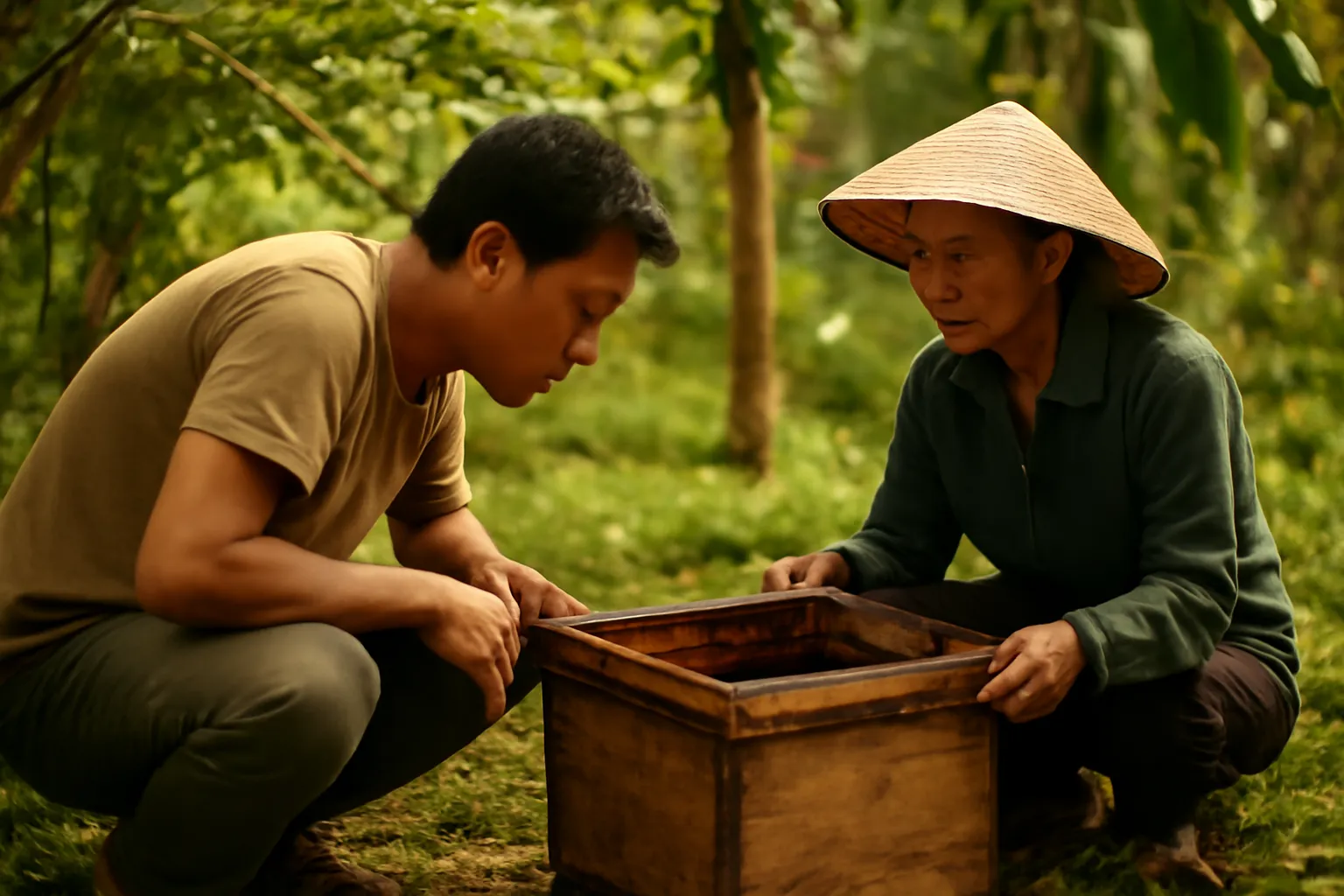
What to look at before you pay for a stingless bee colony
Six things to check with your own eyes when inspecting a colony, and the one question that separates real keepers from resellers.
 ›
×
›
×
A single-origin stingless bee honey from our own apiary in Trang Bang, Tay Ninh. Harvested and bottled by batch, traceable to the colony.
Vietnamese stingless bee honey, built for export
© 2026 Aron Bee. All rights reserved. · Copyright · OD-1C4F-F69A