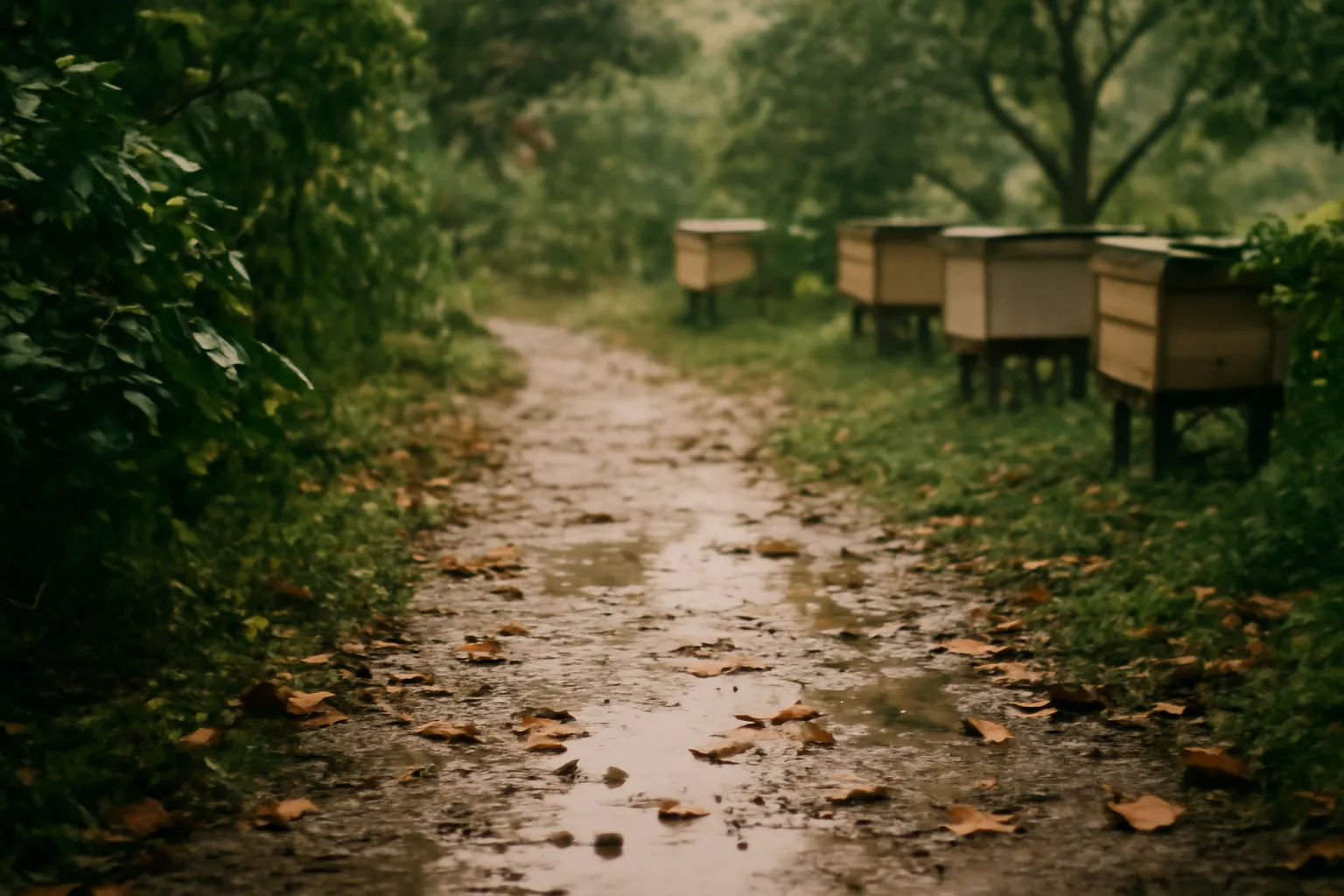
The rainy season: growth, splits and standing water
From roughly May to November, flowering is continuous and colonies build fast. This is the productive half of the year and also the half that needs the least intervention — provided two physical problems are solved first.
Problem one: standing water
Water pooling under the stand brings damp, termites and mould. Choose higher ground or raise the stand at least forty centimetres, and make sure water drains away after heavy rain. Check this after the first big storm of the season rather than waiting to discover it later.
Problem two: rain driving into the entrance
Water entering the entrance tube stops bees leaving and dampens the nest just inside. The roof should overhang the entrance by about twenty centimetres, and slope so runoff falls behind or to the side rather than directly in front.
What to do early in the season
Inspect and repair stands before the heavy rain arrives. Tap each leg — a hollow sound means termites have been at it. Replace now rather than after it collapses. This is also the window for splitting: colonies are building, and a new split has the whole wet season ahead of it to establish.
What to do mid-season
Almost nothing. Deflect rain, keep drainage clear, and watch entrances. Opening boxes during this period brings risk without return.
What to do late in the season
Harvest. Honey pots are fullest at the end of the wet months. Take only from colonies that have filled their box, take only honey pots, and leave the brood untouched.
Mould
Pale fuzzy patches on the underside of the lid are common after a wet season. Small amounts the colony cleans up itself. Mould spreading into the nest, with discoloured pollen pots and a musty smell, needs action: scrape the affected surfaces, discard mouldy pollen, improve drainage and ventilation. Do not wrap the box in a tarpaulin to keep rain out — that guarantees mould.
Frequently asked
Should I inspect more often in the wet season?
No. More opening means more heat loss and more moisture. Check the outside and the stand instead.
Is it safe to split in the middle of heavy rain?
Early in the season is better than the middle. Both halves of a split need forage to recover, and they need weeks of settled weather.
What if the box gets soaked inside?
Move the colony to a dry box early in the morning, keeping the brood the same way up, then fix whatever let the water in.
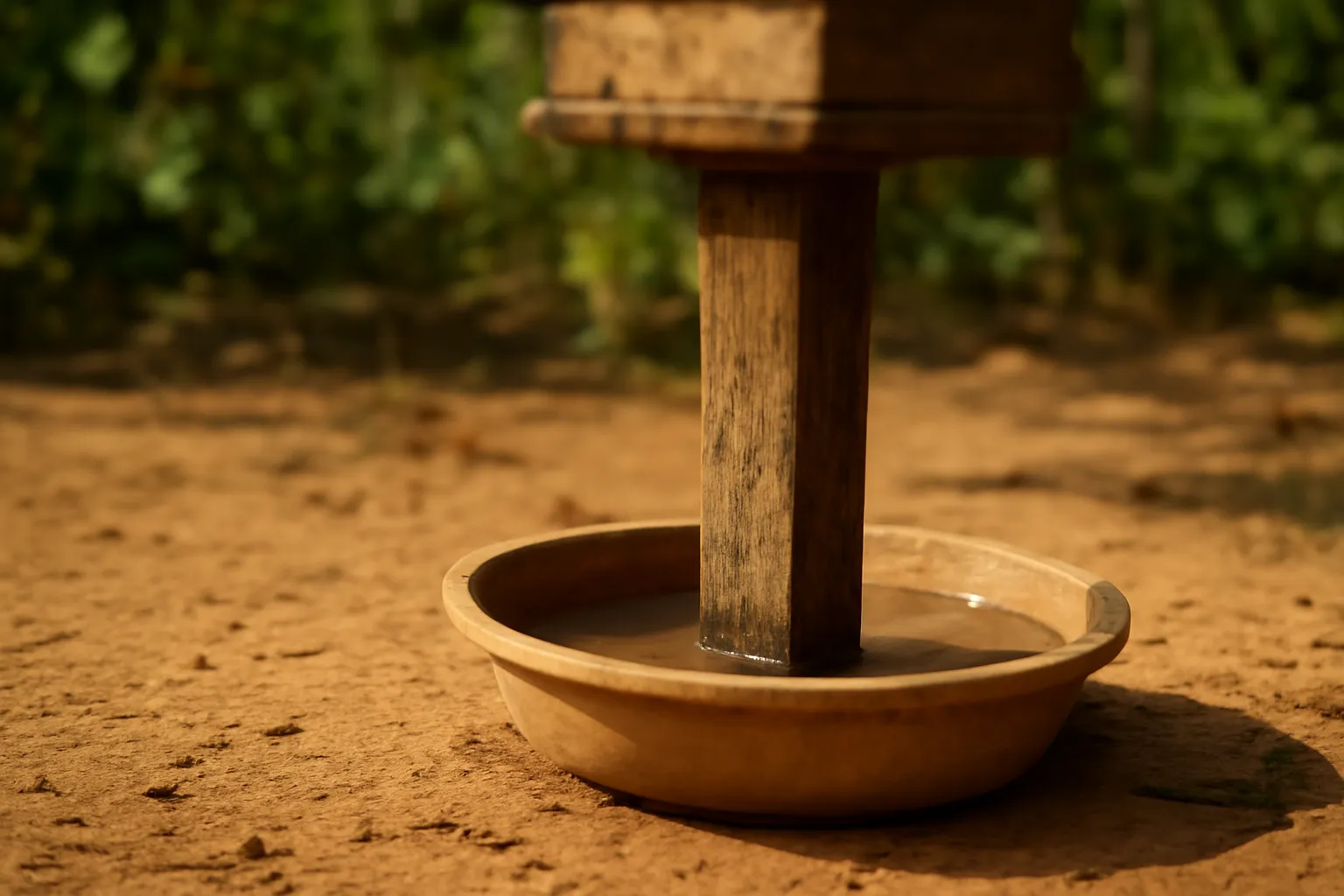
Ants, geckos and spiders: the three that take colonies
In the tropics, predators cause far more colony loss than disease. How to spot each early and what actually works.
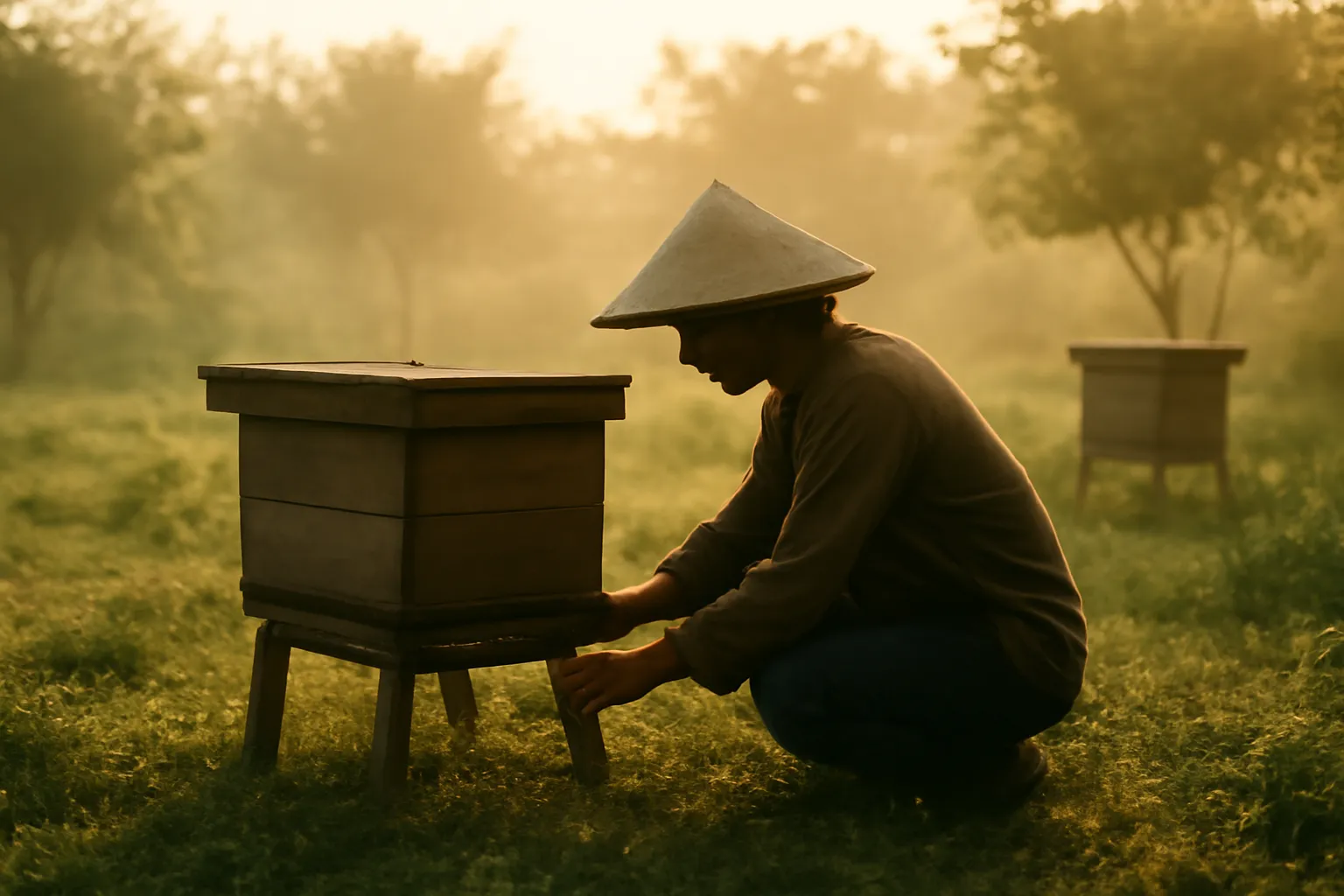
A year at a tropical stingless bee apiary, month by month
Which months need work, which months need nothing, and when the main harvest falls.
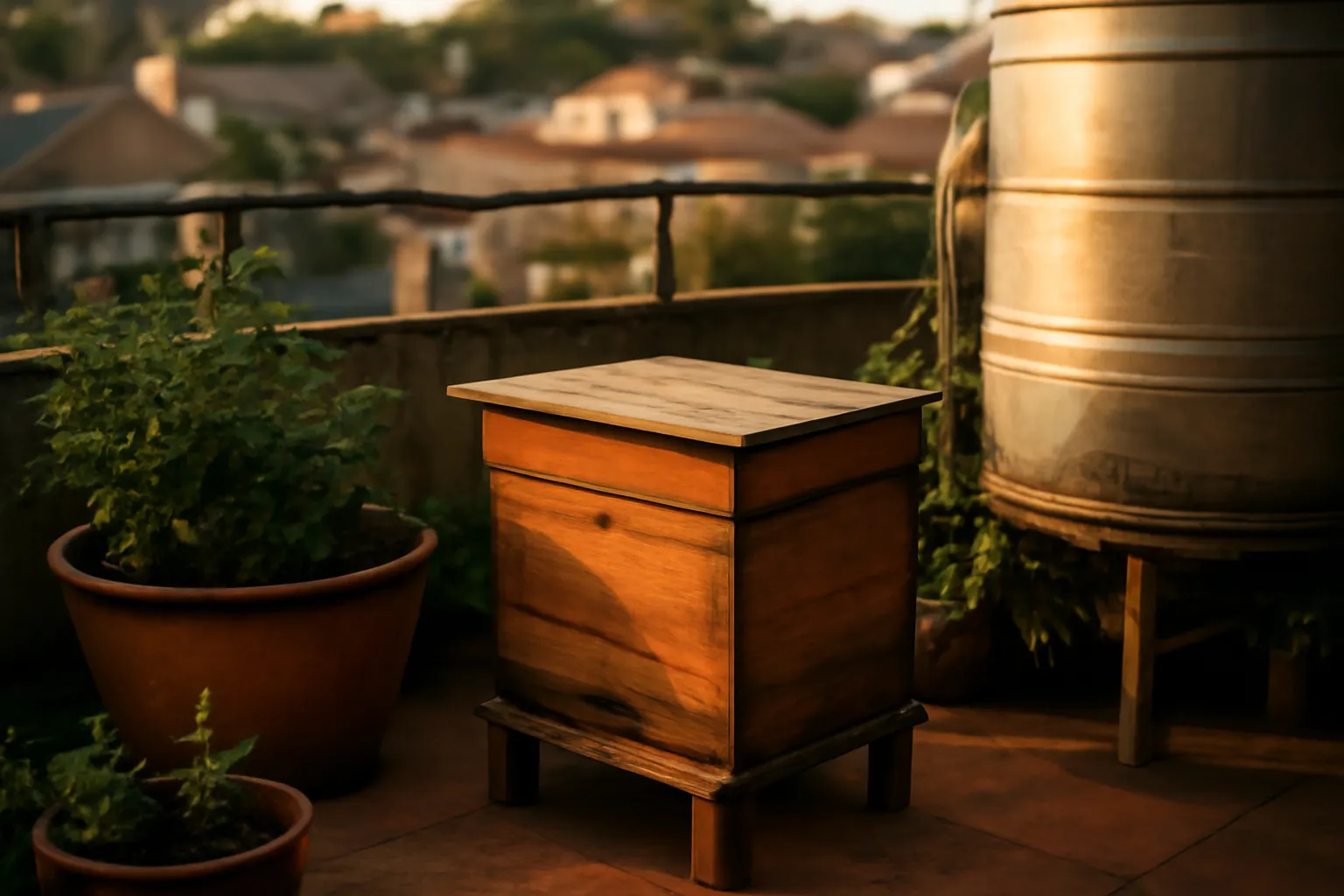
Keeping stingless bees on a rooftop or balcony in town
No garden is not a barrier, but three problems have to be solved: heat, wind and forage.
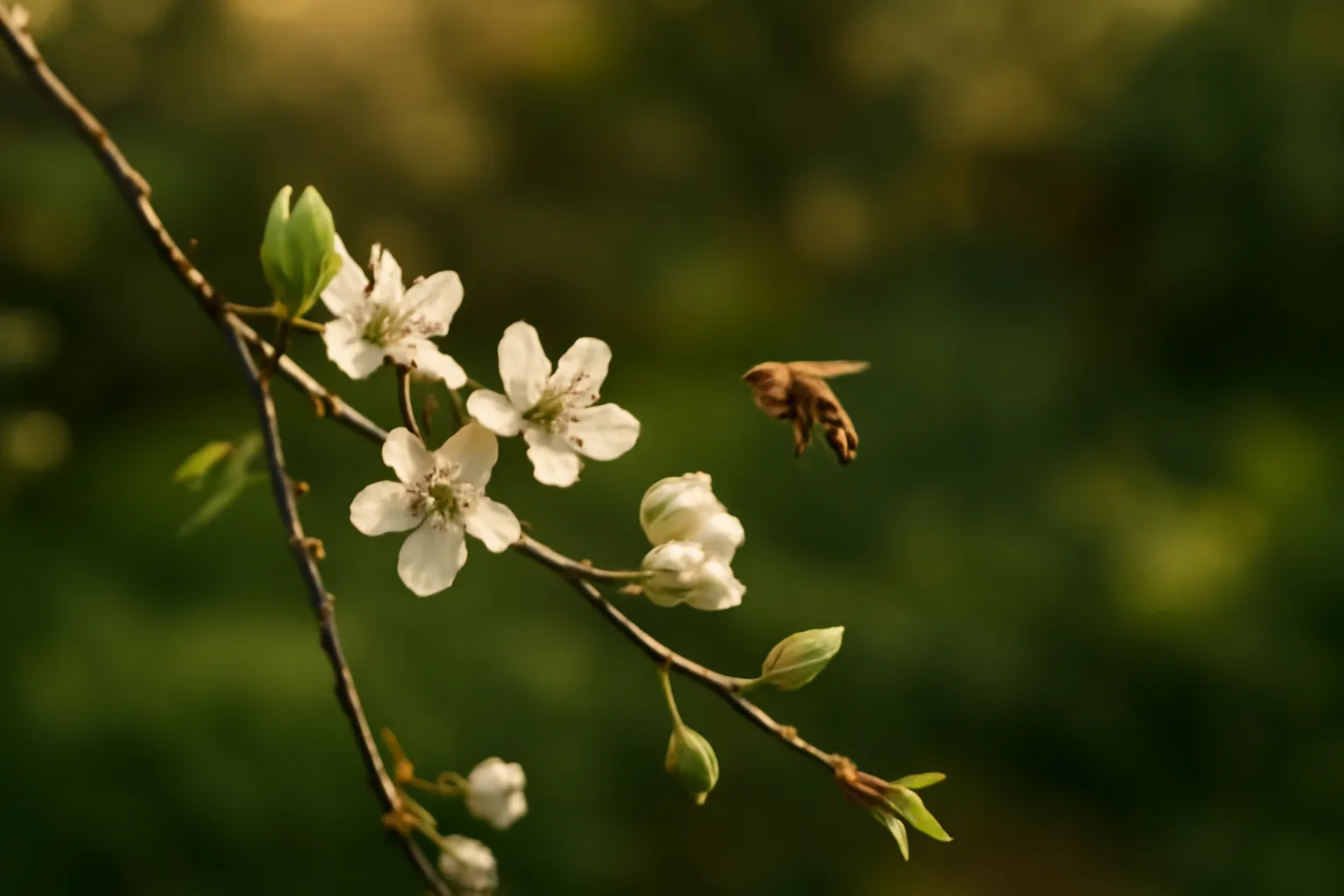
What to plant so the colony has forage all year
Stingless bees forage within a few hundred metres, so your garden is nearly their whole diet. How to sequence flowering.
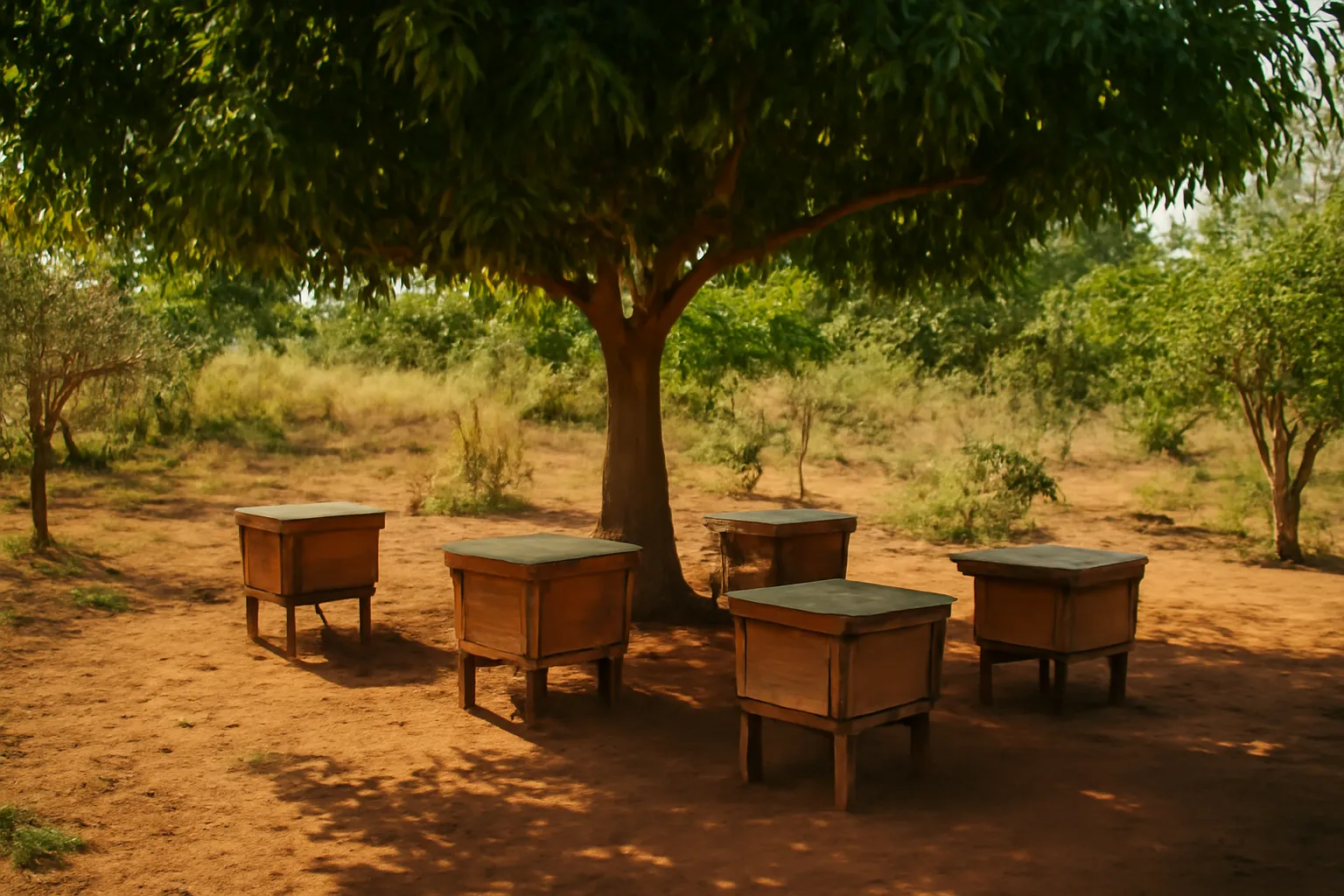
Keeping stingless bees through a tropical dry season
Heat and ants cause most colony losses in the dry months. What changes, and what to do about it.
 ›
×
›
×
A single-origin stingless bee honey from our own apiary in Trang Bang, Tay Ninh. Harvested and bottled by batch, traceable to the colony.
Vietnamese stingless bee honey, built for export
© 2026 Aron Bee. All rights reserved. · Copyright · OD-1C4F-F69A