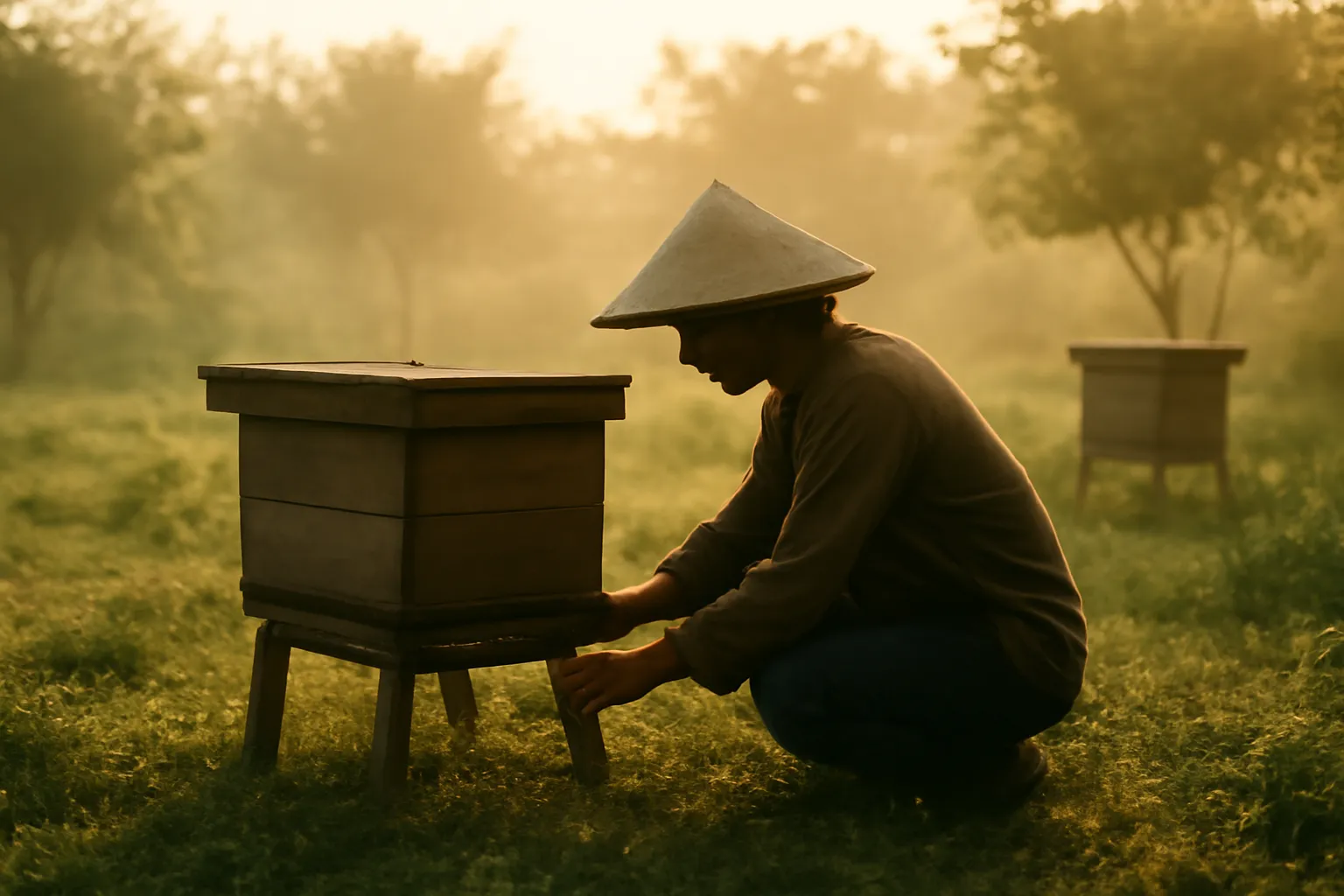
A year at a tropical stingless bee apiary, month by month
This is not a trade with daily work. For most of the year the correct action is no action. But a few points in the calendar are unforgiving, and getting them wrong costs a season.
January to April — dry season, hold the line
Intense sun, thin flowering. The work is shade at midday and keeping the ant-defence cups topped up. No splitting, no harvesting, minimal opening. Colonies contracting slightly is normal and needs no intervention.
May to June — the season opens, split now
Rain returns, flowering resumes, colonies build quickly. This is the best window for splitting: the mother colony has filled its box and the daughter has the whole wet season ahead to establish. It is also the time to inspect and repair stands before heavy rain.
July to September — leave them alone
Colonies do their best work undisturbed. The keeper's job is deflecting driving rain, keeping drainage clear under the stands, and watching entrances. Opening boxes now adds risk without return.
October to November — the main harvest
Honey pots are fullest at the end of the wet season. Harvest only from colonies that have filled their box, take only honey pots, and leave the brood mass intact. Skip any colony that is not strong enough — forcing a harvest from a weak colony loses the colony.
December — close the year
Check every stand, set up shade for the coming dry months, and write down which colony yielded what. That record is what separates a keeper with a trade from one with a hobby.
What the record gives you after a few years
Which colonies consistently produce, which corner of the garden yields more, and which lineage is worth propagating. None of it is knowable without writing it down.
Frequently asked
Can I harvest twice a year?
A strong colony with good forage sometimes gives a small mid-season harvest as well as the main one. But aim for strong colonies rather than a number of harvests; the harvests follow.
When should a beginner start?
May to June. A new colony meets favourable conditions immediately, and the keeper has the whole wet season to learn before the hard months.
Does this calendar apply outside the tropics?
The structure does — an easy season and a hard one — but the months shift. Work from your own local flowering pattern.
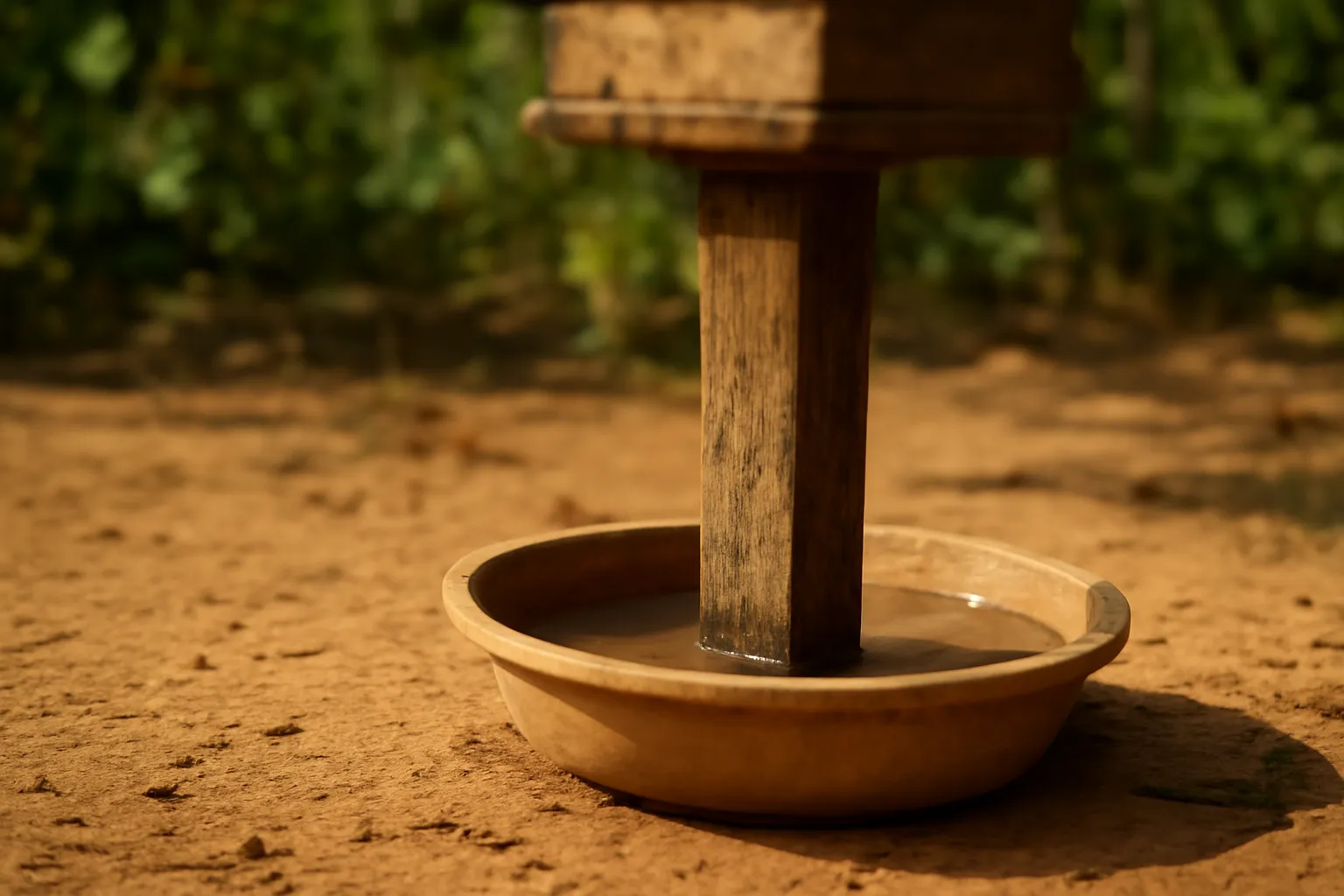
Ants, geckos and spiders: the three that take colonies
In the tropics, predators cause far more colony loss than disease. How to spot each early and what actually works.
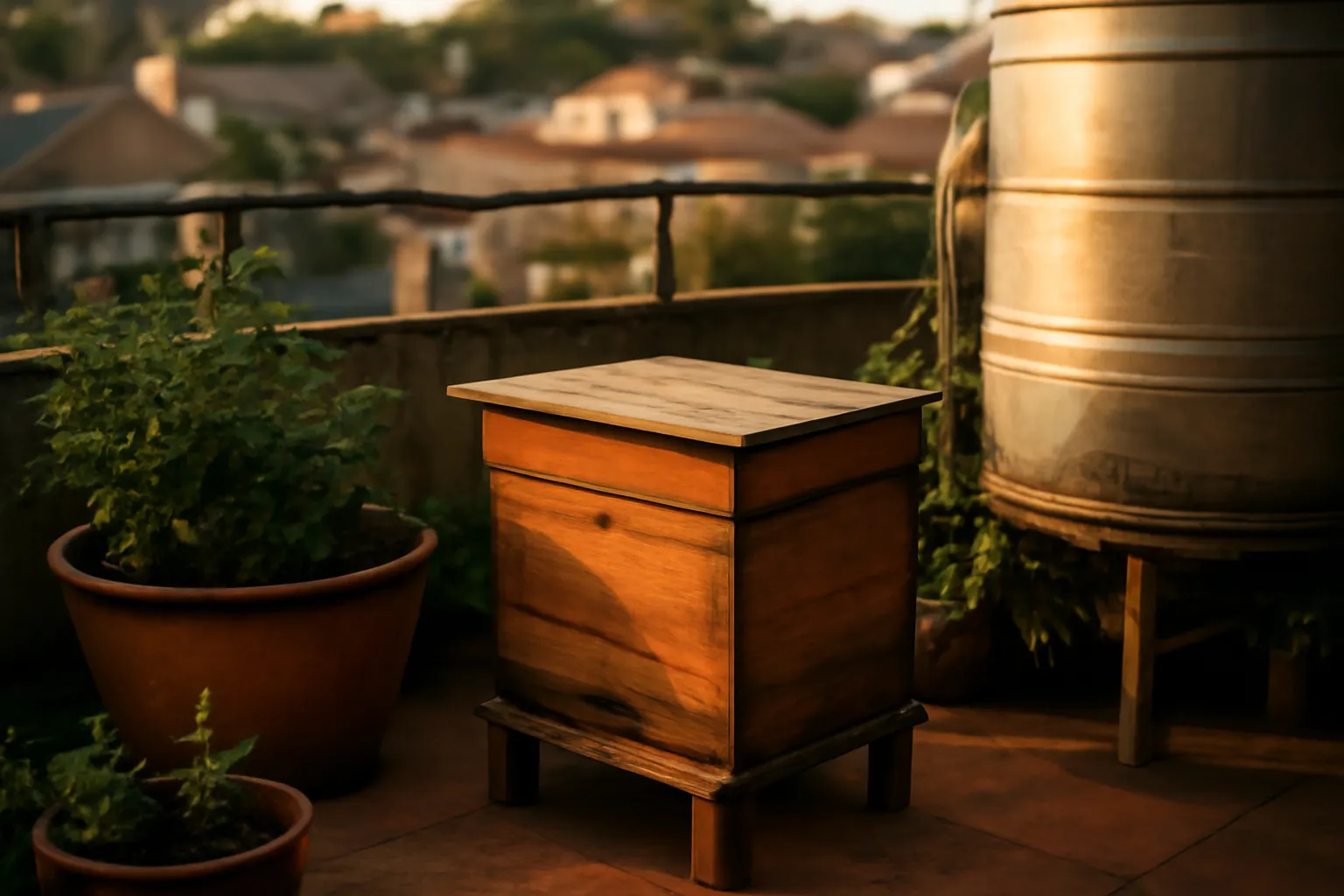
Keeping stingless bees on a rooftop or balcony in town
No garden is not a barrier, but three problems have to be solved: heat, wind and forage.
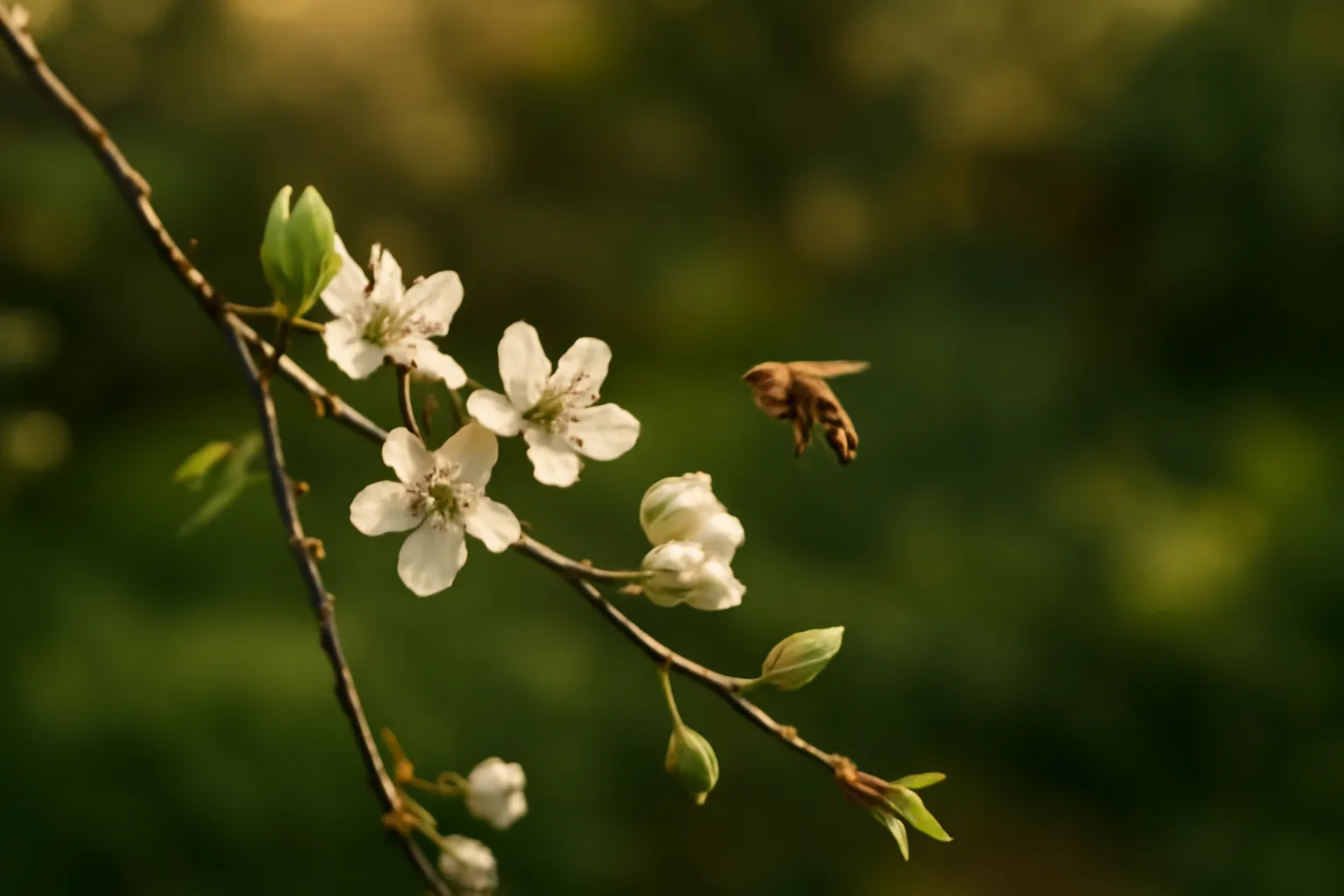
What to plant so the colony has forage all year
Stingless bees forage within a few hundred metres, so your garden is nearly their whole diet. How to sequence flowering.
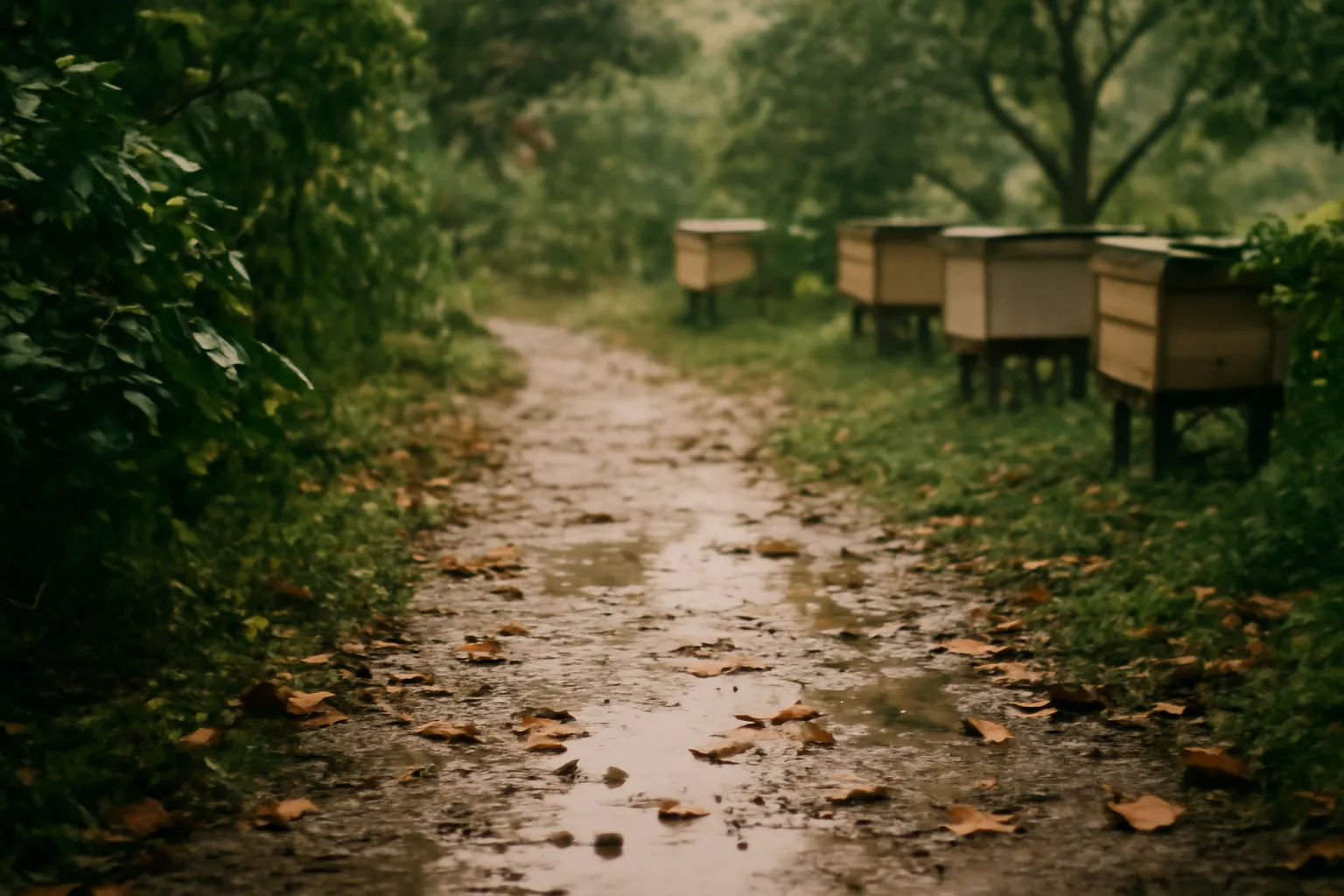
The rainy season: growth, splits and standing water
The easy half of the year, if drainage and rain deflection are handled. What to do and what to leave alone.
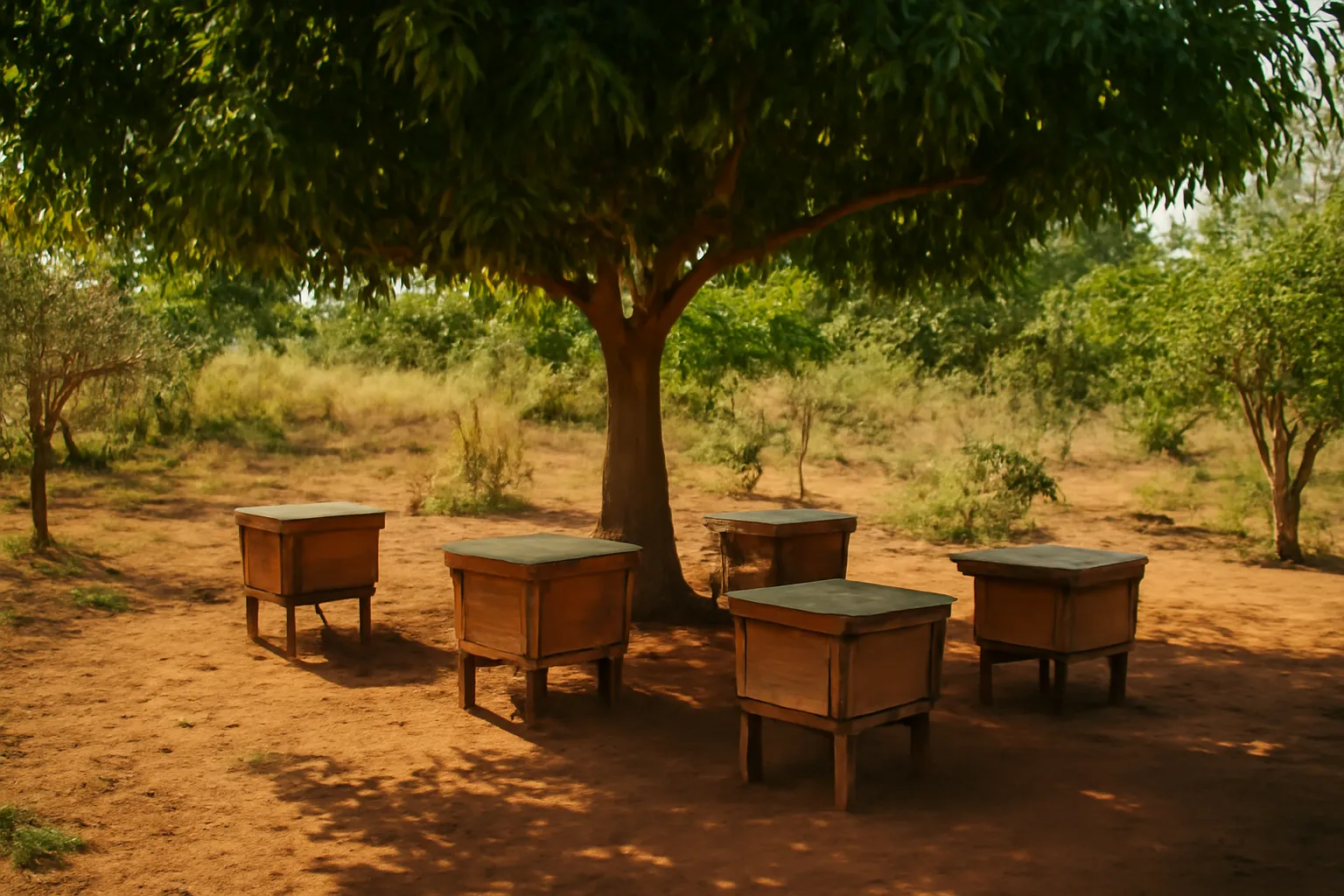
Keeping stingless bees through a tropical dry season
Heat and ants cause most colony losses in the dry months. What changes, and what to do about it.
 ›
×
›
×
A single-origin stingless bee honey from our own apiary in Trang Bang, Tay Ninh. Harvested and bottled by batch, traceable to the colony.
Vietnamese stingless bee honey, built for export
© 2026 Aron Bee. All rights reserved. · Copyright · OD-1C4F-F69A