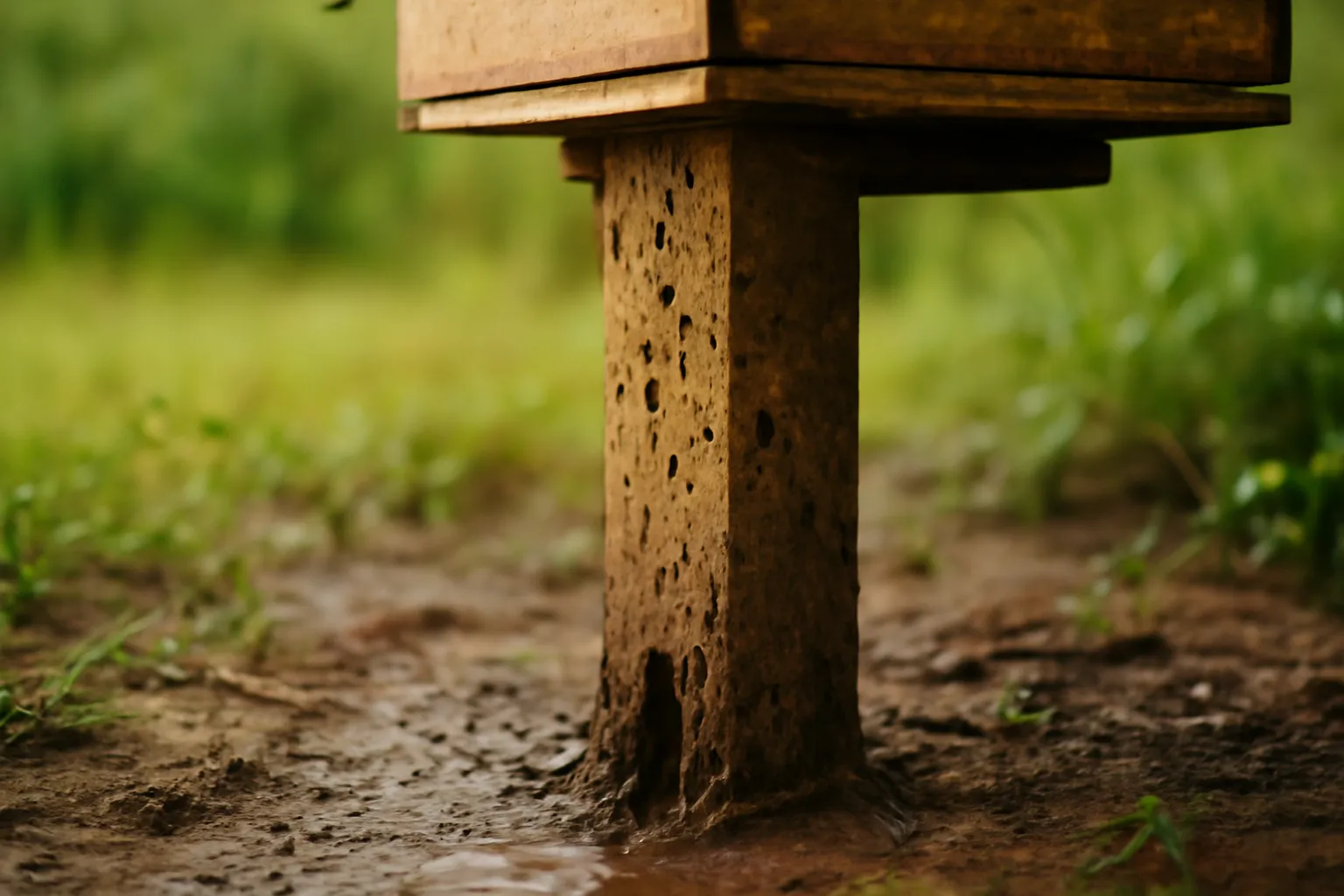
Termites and wood borers: they destroy the house, not the bees
Termites do not attack bees. They hollow out the stand legs and box walls, and one heavy rain is then enough for the whole thing to collapse or split open. For a stingless colony that is the end.
Why they find the stand
Damp timber in contact with soil is ideal for them. A stand leg buried in the ground, or resting directly on damp earth, is almost certain to be attacked within one or two wet seasons in the tropics.
Signs
- Narrow earthen tunnels running up a stand leg.
- Timber that sounds hollow when tapped, intact on the surface but eaten inside.
- Fine wood dust below the stand or around the box.
- The box gradually sinking or tilting.
Prevention: keep wood off soil
This is the only rule that genuinely works. Use steel legs, or stand timber legs on concrete or brick footings, or stand them in water cups — the same cups that keep ants out also stop termites.
Never use chemically treated timber
Anti-termite treated timber resists termites well but is toxic to bees. Do not use it for boxes, and think carefully before using it for stands — the vapour rises in the heat and reaches the box.
Check at the start of each wet season
Tap every stand leg and box wall. Replace anything that sounds hollow now, rather than waiting for it to fail. This takes ten minutes for a whole stand and saves colonies.
If a box is already affected
Move the colony to a new box as soon as possible, in the early morning, keeping the brood the same way up. Discard the old box if it is hollow — patching it only postpones the problem.
Frequently asked
Do termites nest inside the hive?
They do not eat bees, but they can build in the timber joints of the box, causing damp and unsettling the colony.
Is there a termite treatment safe near hives?
No chemical is worth the risk. Mechanical solutions — steel, footings, water cups — are safer and just as effective.
How often should boxes be replaced?
It depends on the timber and conditions, but outdoor boxes in the tropics typically last a few years. Checking each wet season matters more than a fixed replacement schedule.

Keeping records: the dullest job with the highest return
A few lines per colony over a few years tell you which lineage to propagate, which corner yields, and when to harvest.
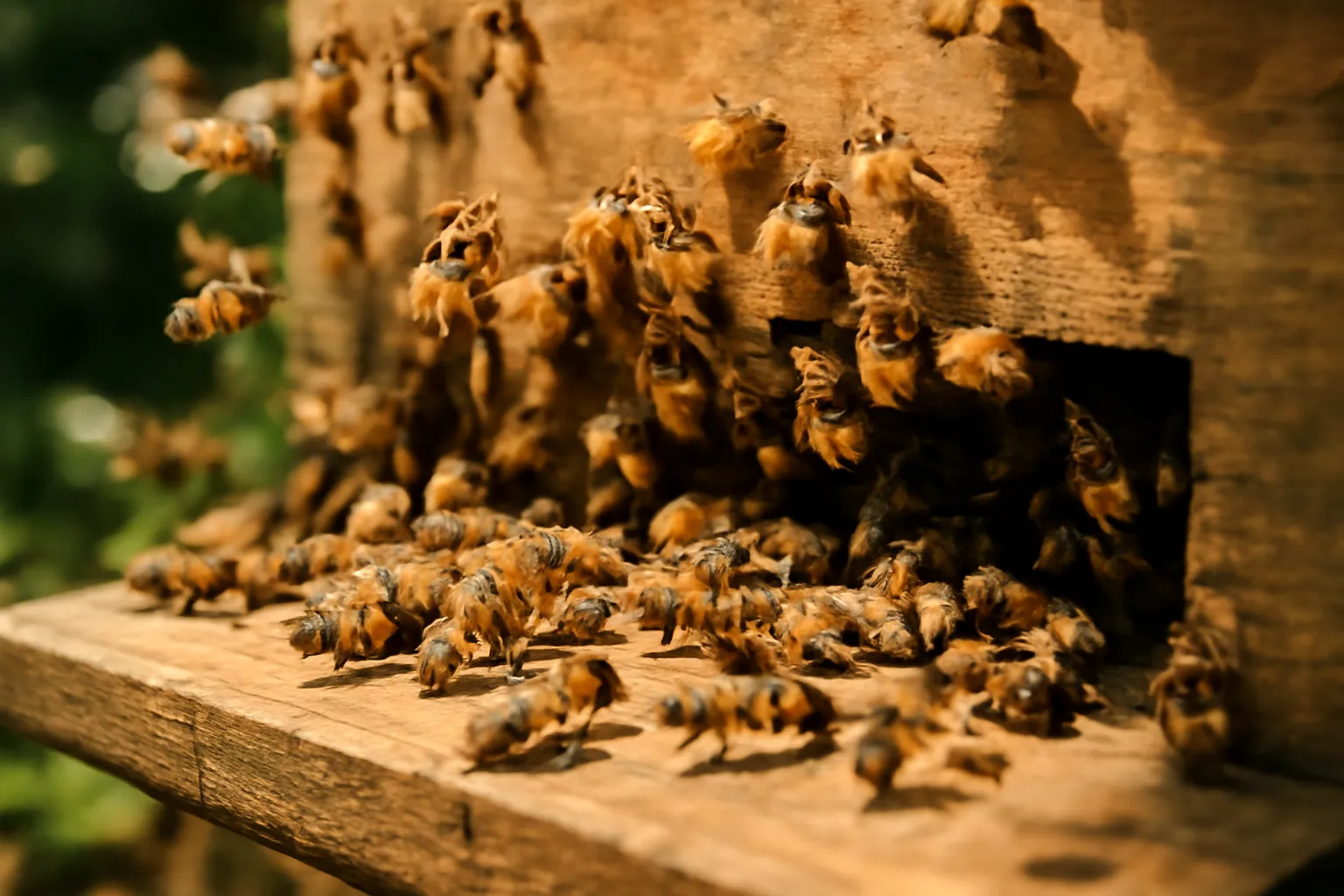
Robbing: when other colonies come for the honey
In lean months colonies target each other, and it often starts right after you harvest. How to spot and stop it.
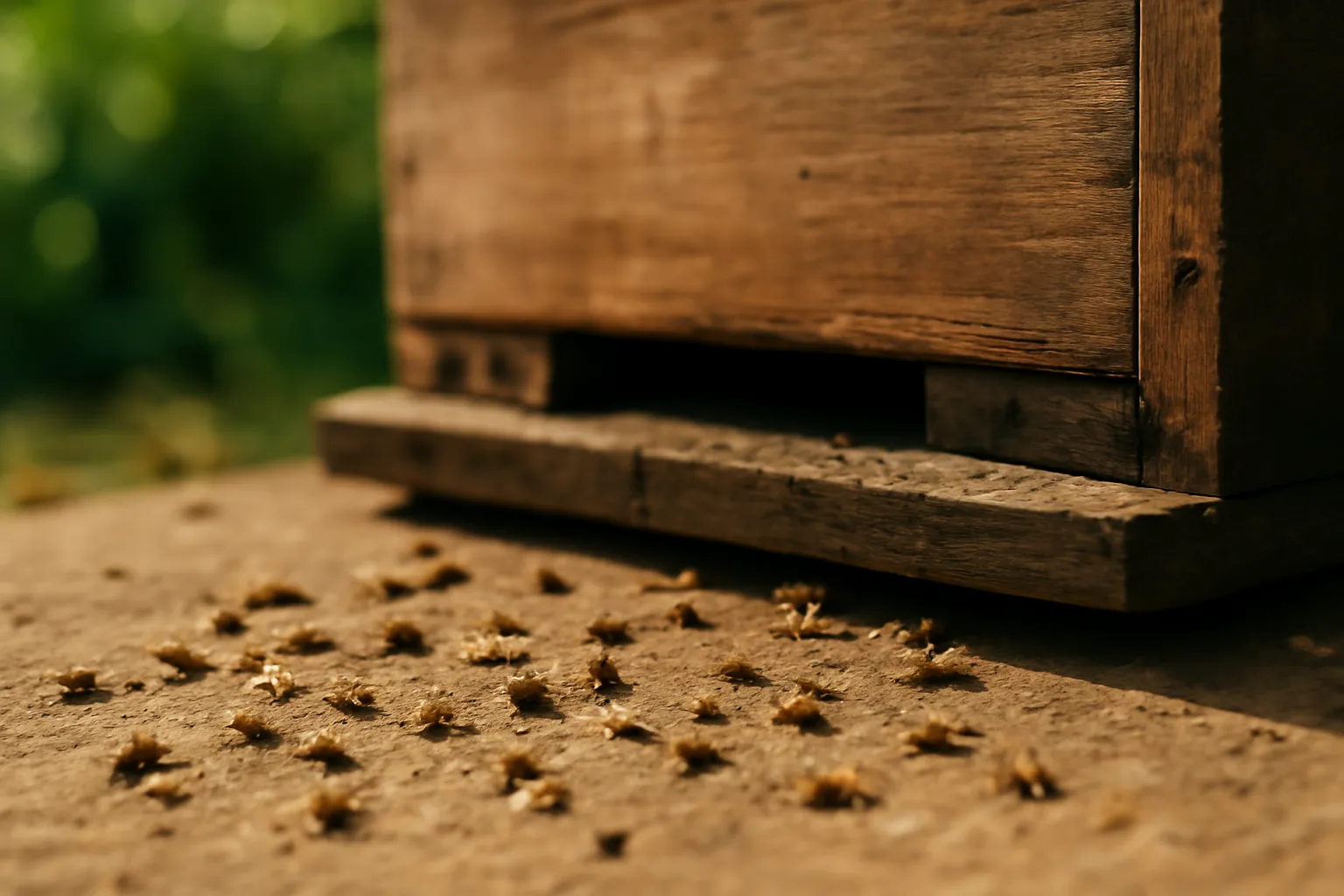
Pesticides and stingless bees: recognising poisoning
A colony dying within a day or two with no signs of disease is almost always chemical. What to look for and what can be done.
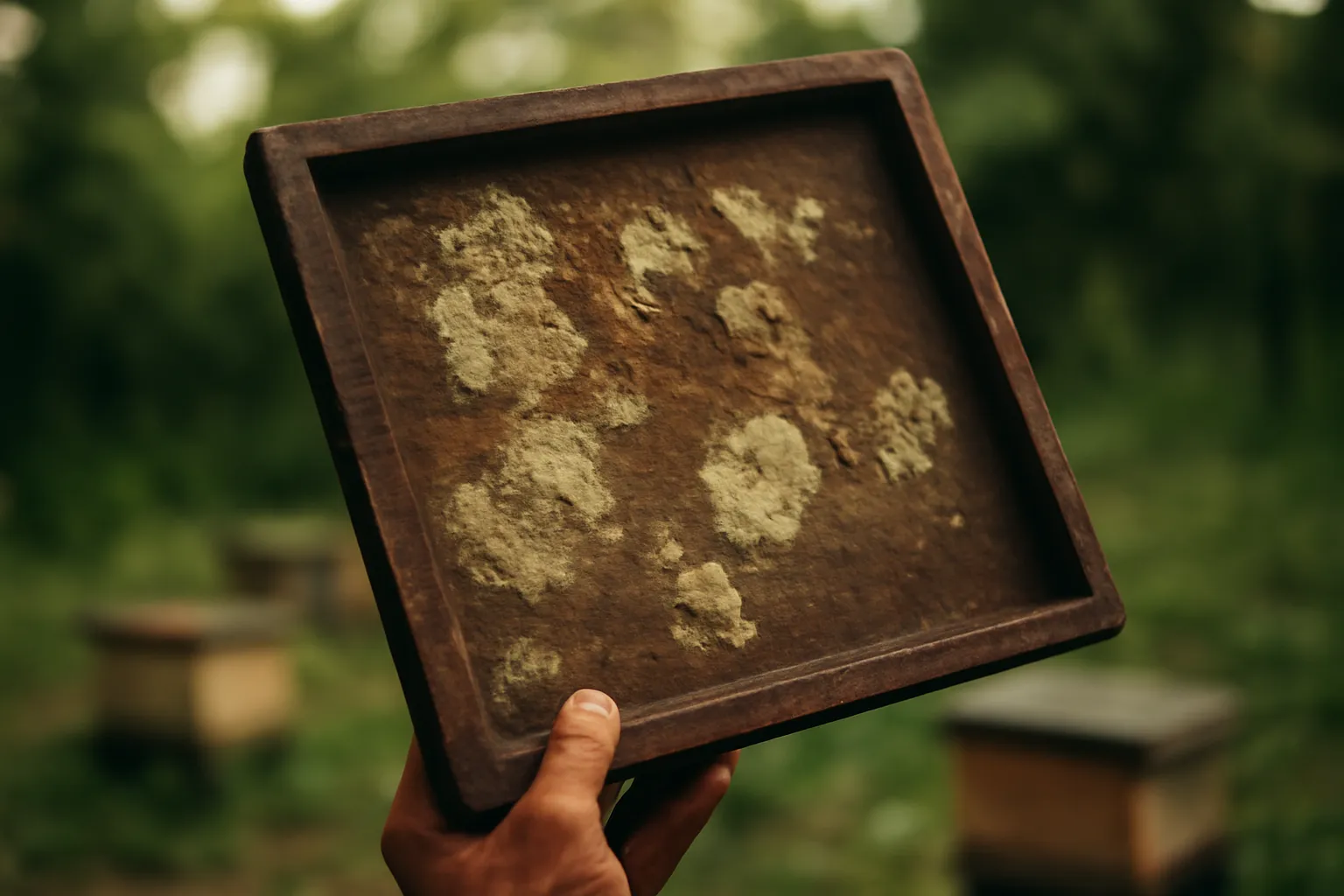
Mould inside the box is a damp problem, not a disease
White fuzz on the lid is almost always drainage and ventilation. How to tell it from an actual brood disease.
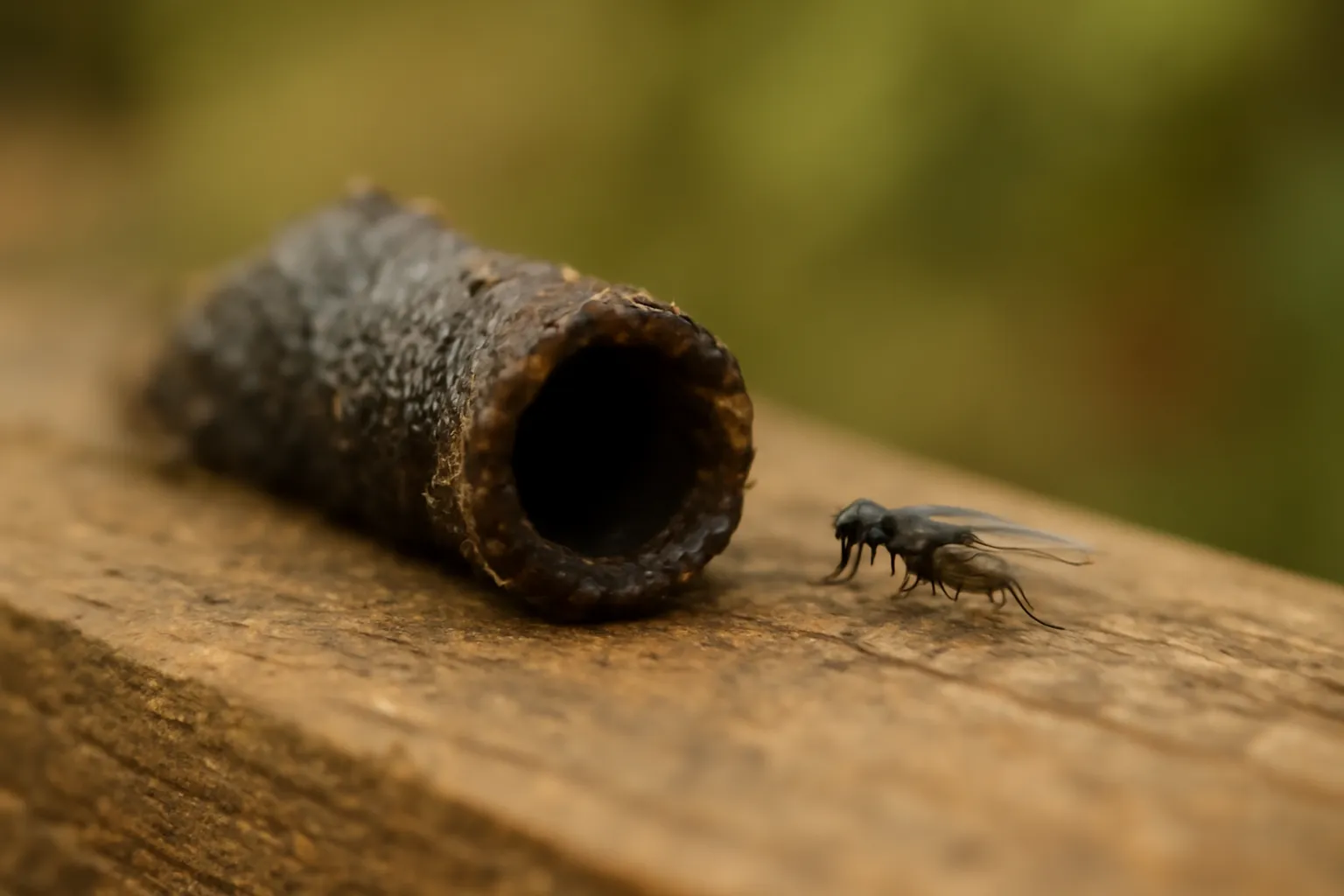
Parasitic flies: the threat nobody warns beginners about
Flies laying eggs in a nest destroy the brood from inside while the box still looks fine. Early signs and what to do.
 ›
×
›
×
A single-origin stingless bee honey from our own apiary in Trang Bang, Tay Ninh. Harvested and bottled by batch, traceable to the colony.
Vietnamese stingless bee honey, built for export
© 2026 Aron Bee. All rights reserved. · Copyright · OD-1C4F-F69A