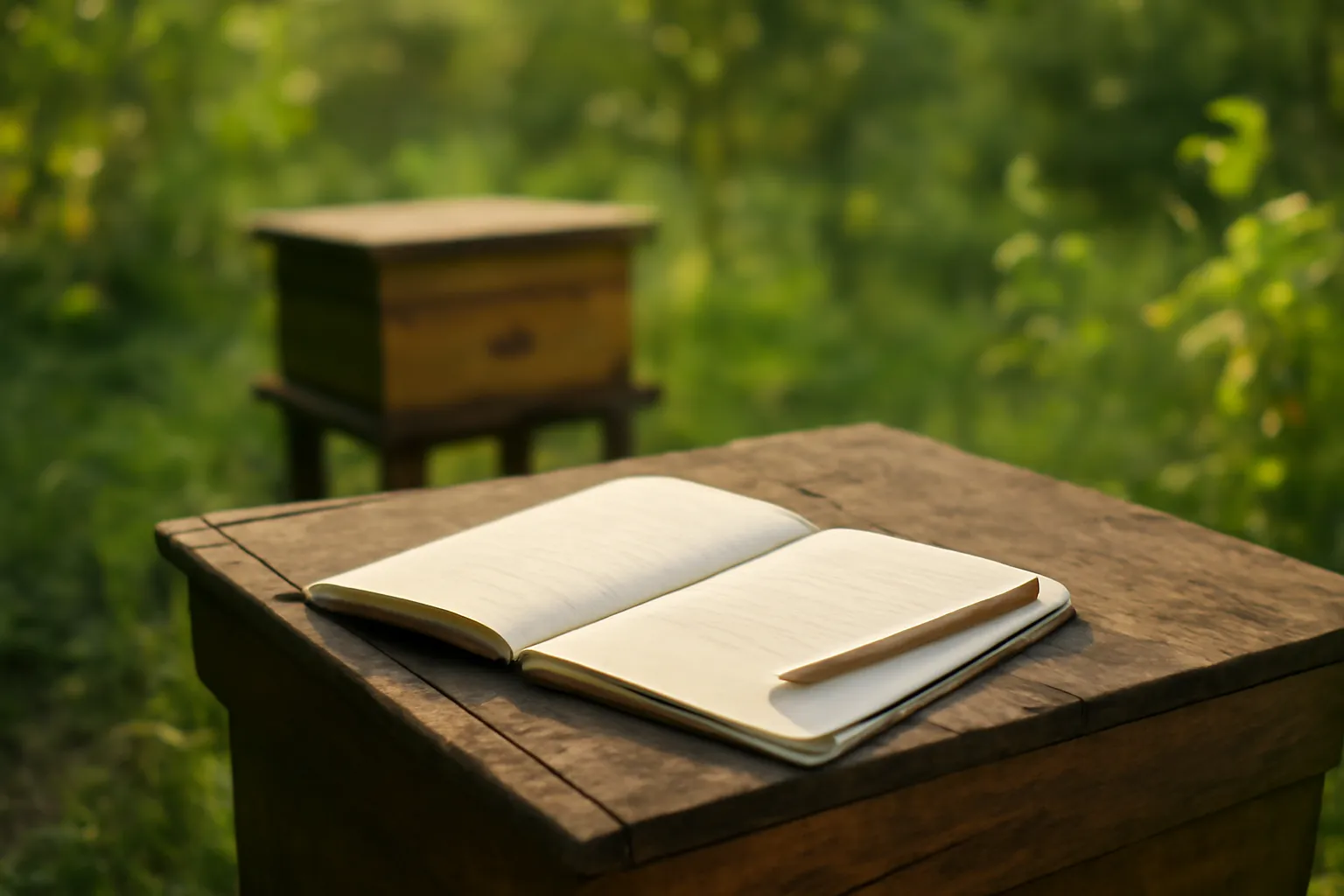
Keeping records: the dullest job with the highest return
With two colonies you remember everything. With ten, nobody recalls which was harvested in which month or which was split last year. A record is what separates a keeper with a trade from one with a hobby, and it costs nothing.
What to record per colony
- Hiving or split date, and which mother colony it came from.
- Position — which corner of the garden, which way the entrance faces.
- Each inspection: date, brood condition, whether queen cells are present.
- Each harvest: date, amount taken, amount left.
- Incidents: ants, termites, poisoning, mould — and what you did about them.
What one year of records tells you
Which colonies produce consistently and which only look good. Which corner of the garden yields more — information that decides where the next colony goes. And when the real harvest season falls in your own garden, rather than the general calendar you read somewhere.
What three years tell you
Which lineage is worth propagating. If splits from one particular mother colony are consistently stronger than the rest, that is the line to keep. There is no way to know this without writing it down.
Records are the basis of traceability
For anyone selling honey, the colony record is what makes a batch code mean something. Without it, a batch code is just a number printed on a label. It is also the foundation of any OCOP file or export dossier.
Notebook or software
A notebook kept at the stand is enough for a few colonies and has the advantage of always being to hand when yours are dirty. From about ten colonies, software becomes more practical because it is searchable, produces summaries, and lets several people record. What matters is not the tool but recording consistently.
Frequently asked
Do I have to open the box to record something?
No. Most of what is worth recording is visible at the entrance. Note interior condition only on the rare occasions you actually open a box.
All the colonies look the same — what is the point?
The value arrives after a few seasons, when differences between colonies and positions start to show. One season of records shows little.
Should I take photographs too?
Very much so. Photographs of the brood at intervals show whether a colony is rising or falling far more clearly than any written description.
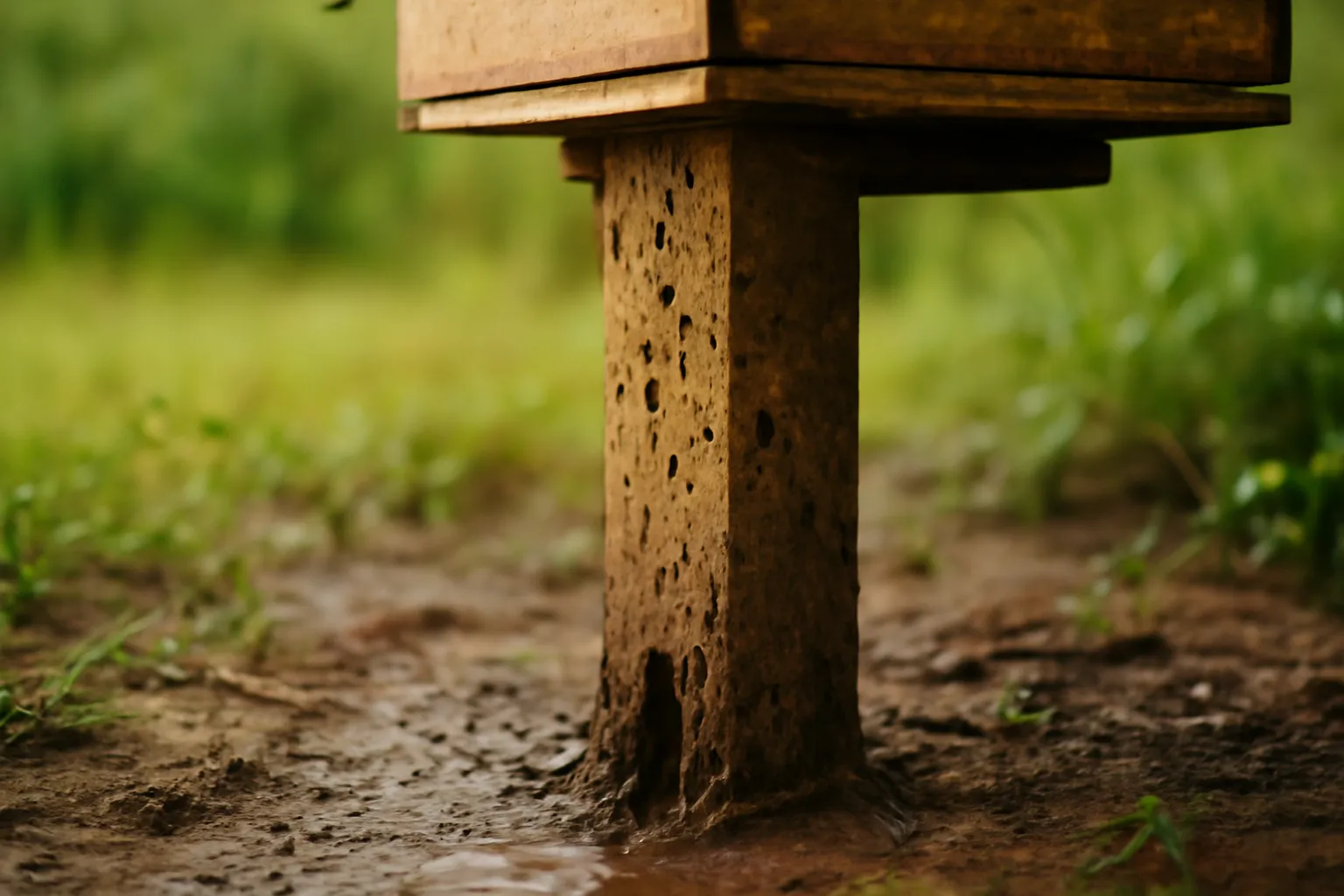
Termites and wood borers: they destroy the house, not the bees
Termites do not eat bees, but they hollow out stands and boxes. A collapse in the wet season takes the colony with it.
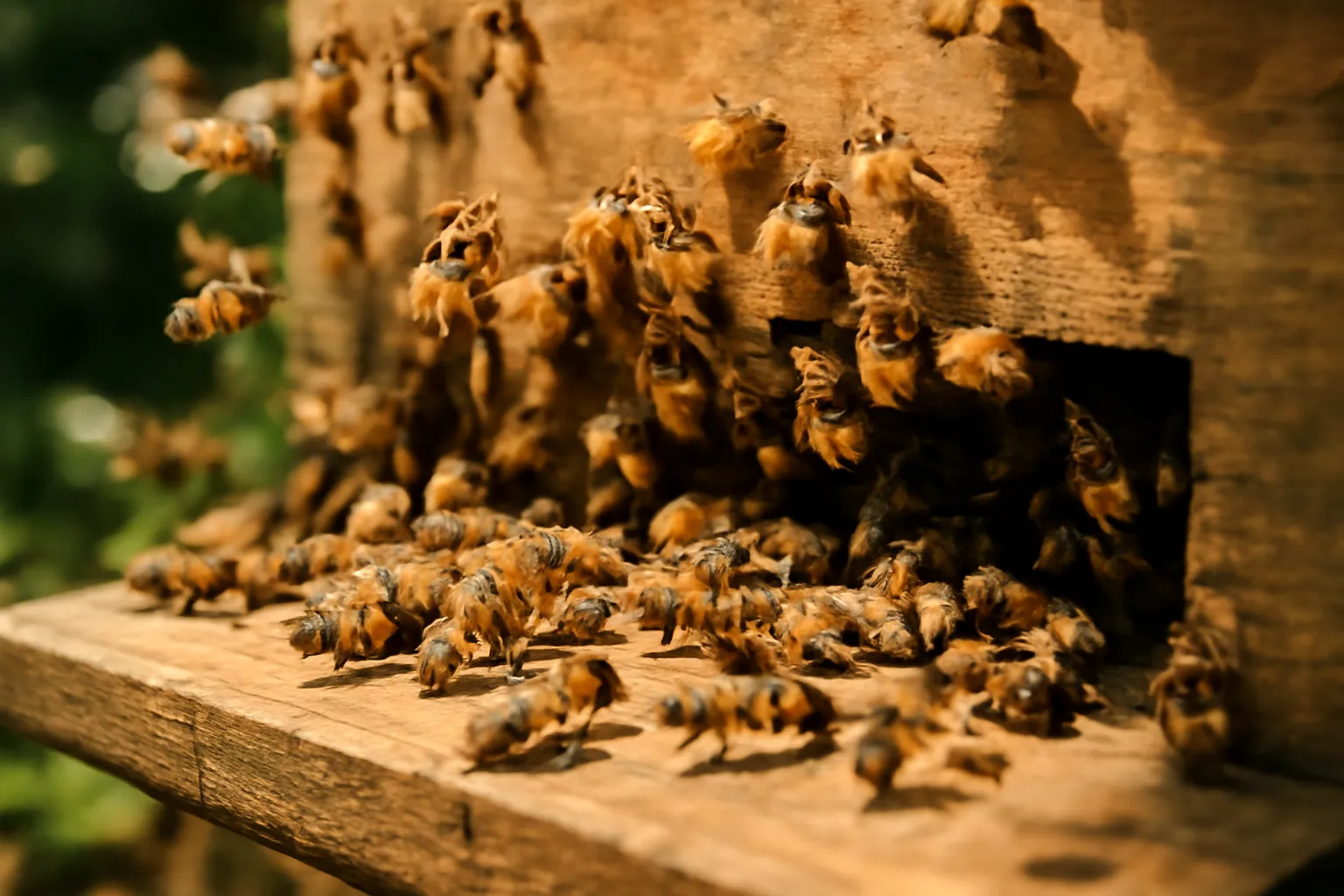
Robbing: when other colonies come for the honey
In lean months colonies target each other, and it often starts right after you harvest. How to spot and stop it.
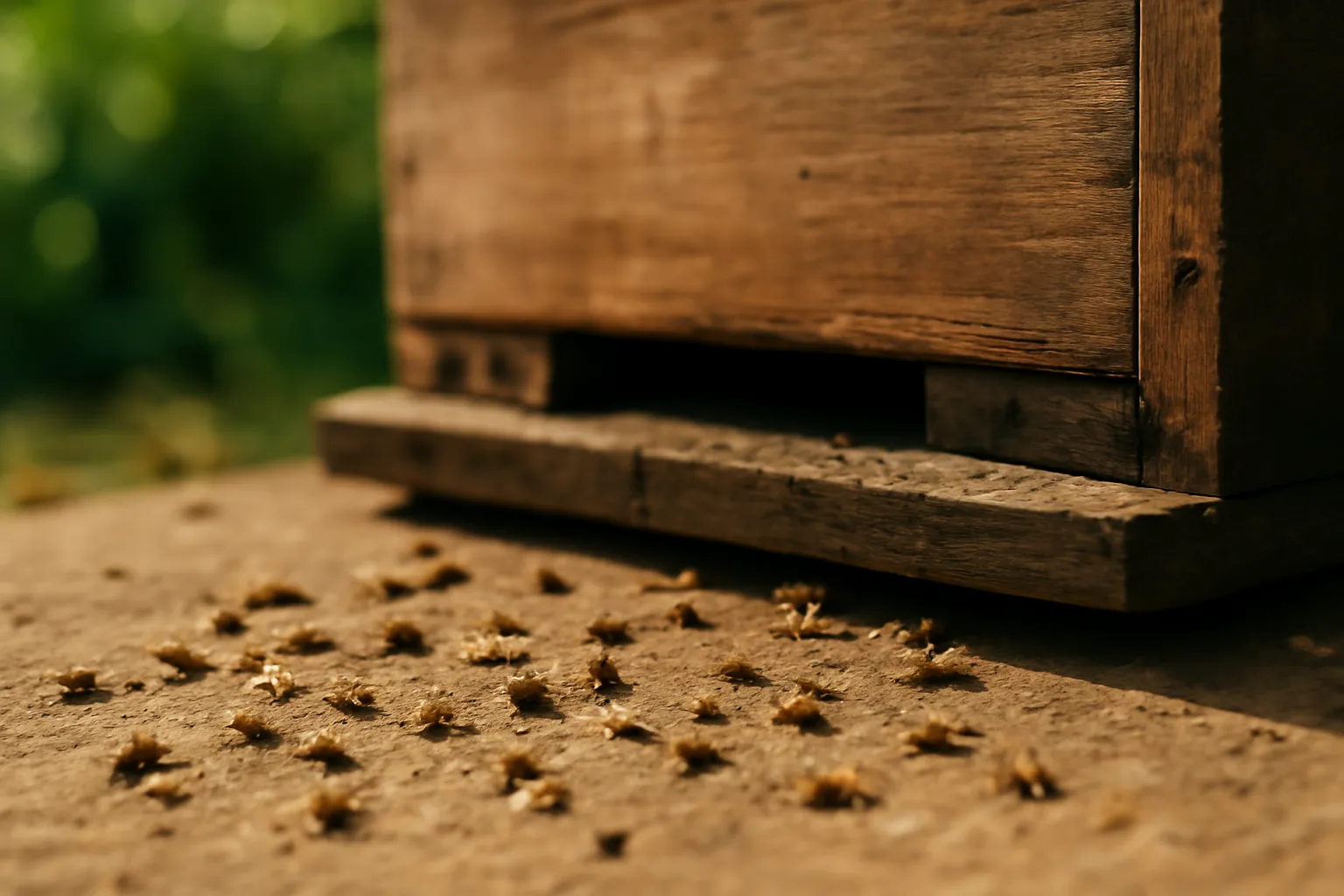
Pesticides and stingless bees: recognising poisoning
A colony dying within a day or two with no signs of disease is almost always chemical. What to look for and what can be done.
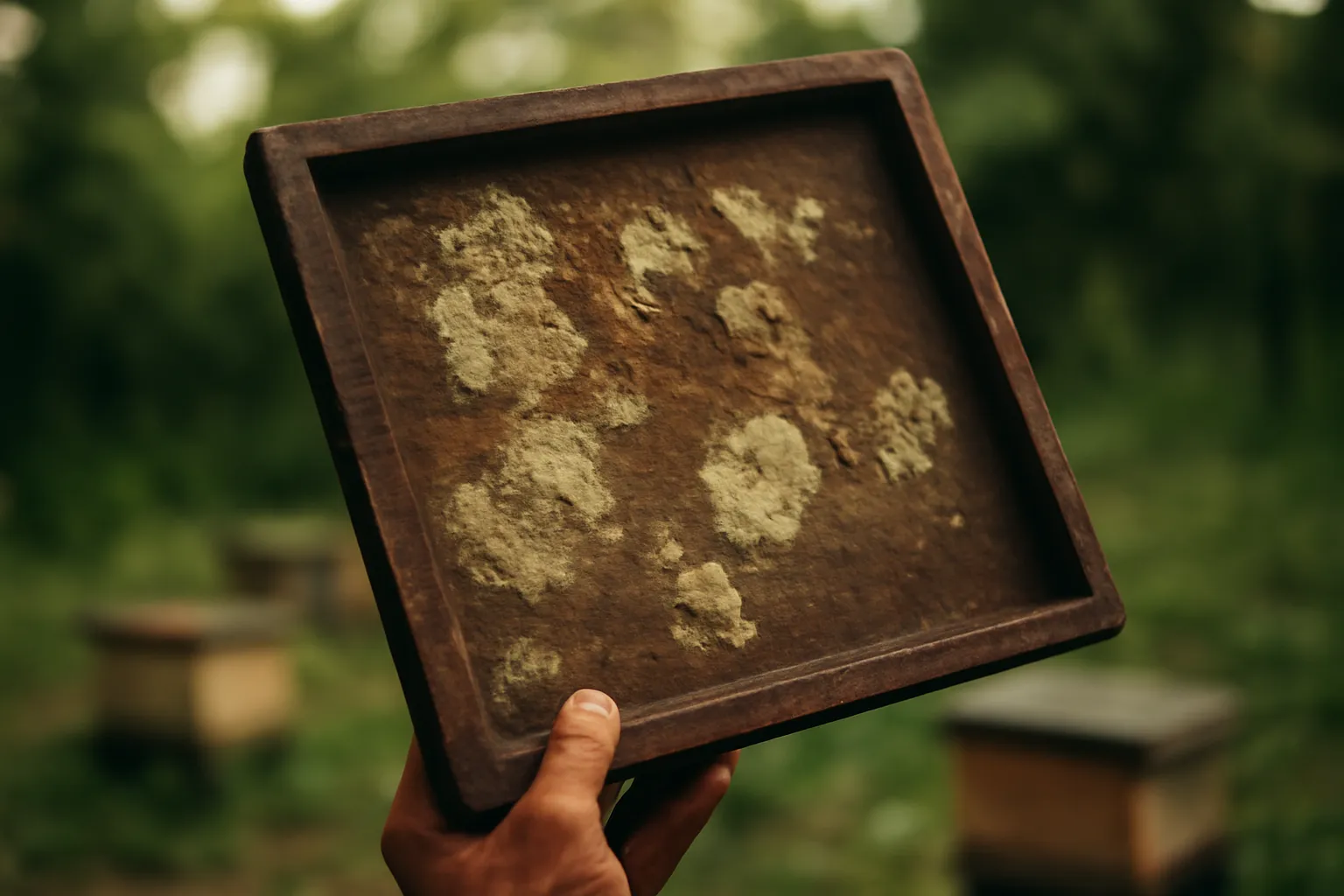
Mould inside the box is a damp problem, not a disease
White fuzz on the lid is almost always drainage and ventilation. How to tell it from an actual brood disease.
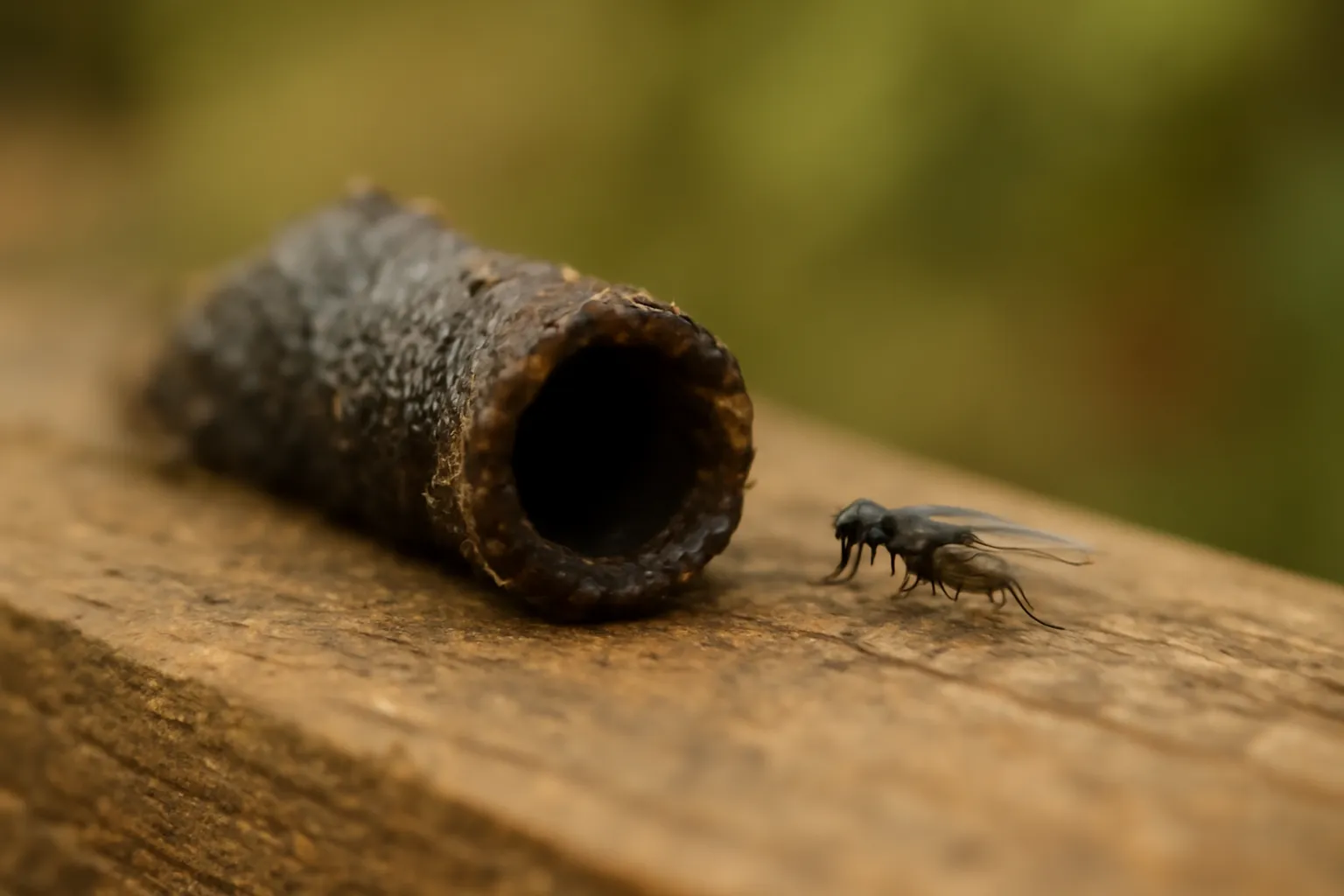
Parasitic flies: the threat nobody warns beginners about
Flies laying eggs in a nest destroy the brood from inside while the box still looks fine. Early signs and what to do.
 ›
×
›
×
A single-origin stingless bee honey from our own apiary in Trang Bang, Tay Ninh. Harvested and bottled by batch, traceable to the colony.
Vietnamese stingless bee honey, built for export
© 2026 Aron Bee. All rights reserved. · Copyright · OD-1C4F-F69A