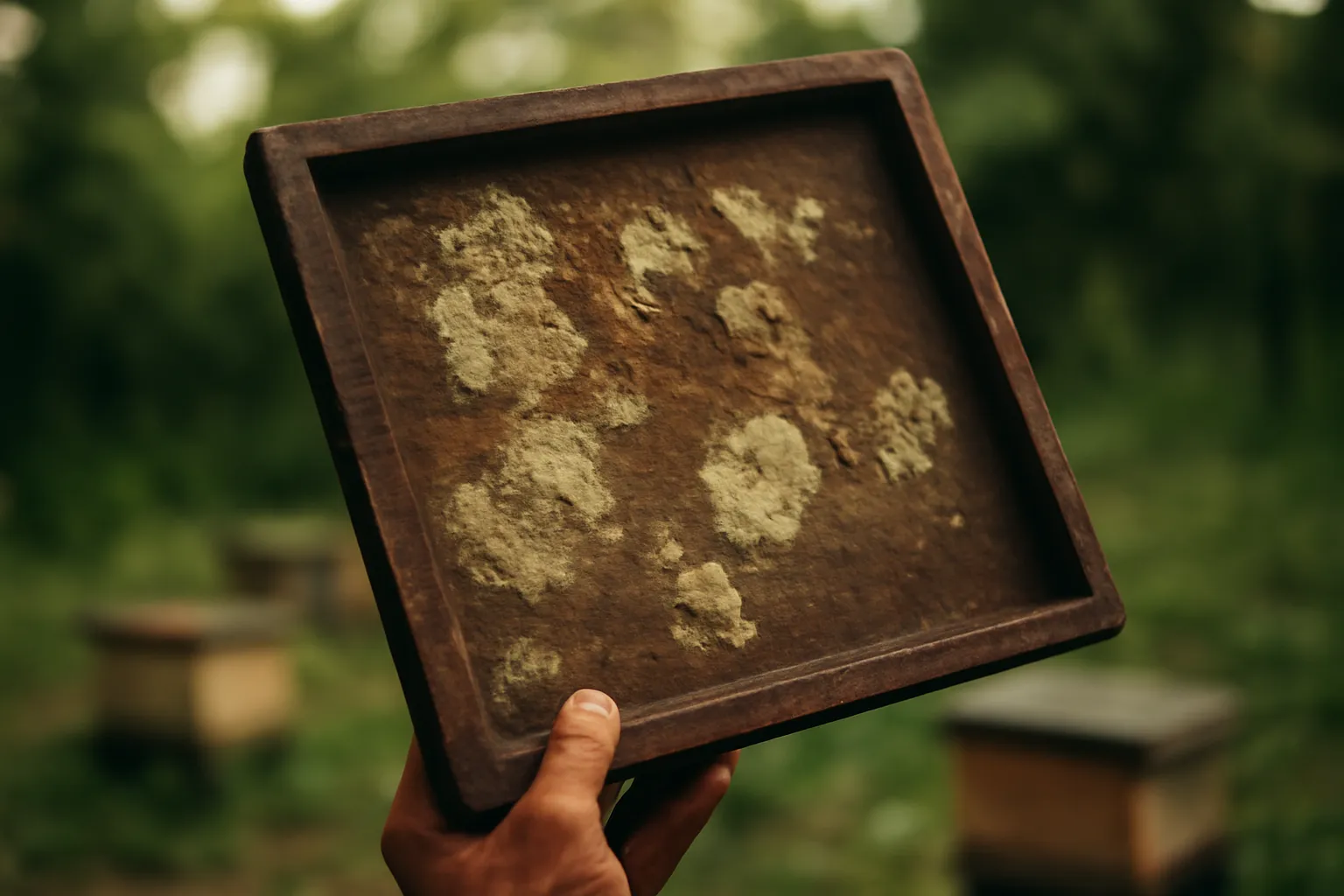
Mould inside the box is a damp problem, not a disease
Opening a box after a wet season and finding white fuzz under the lid is common. It is not a disease of the bees; it is a consequence of the environment.
Why mould forms
Moisture generated inside the nest cannot escape and condenses on the coolest wood surface, usually the underside of the lid. Contributing causes: a box that is too airtight, stand legs sitting in water, rain driving into the entrance, or a site with no sun and no air movement at all.
Does it matter
A little on the lid, and the colony cleans it up itself. Mould spreading into the nest structure, discolouring pollen pots and giving off a musty smell, weakens the colony quickly and needs intervention.
What to do
- Scrape the mould from the lid and walls with a clean blade, wipe dry.
- Discard mouldy pollen pots; do not try to save them.
- Clear drainage under the stand.
- Adjust the roof so rain cannot drive into the entrance.
- If the box is too tightly sealed, ease the lid fit slightly — do not drill new holes.
Preventing it before the wet season
Raise the stand, choose ground that drains, overhang the roof in front of the entrance, and make sure air moves around the box. Do not wrap the box in tarpaulin to keep rain out — that is the surest way to create mould.
Telling it apart from real disease
Diseases of stingless bees are uncommon and show up in the brood: larvae dying in their cells, discoloured, with a putrid smell. Mould sits on wood and wax surfaces, is white or grey, and smells musty rather than foul. Distinguishing the two avoids treating the wrong problem.
Frequently asked
Can I sun the box with the colony inside?
No. Adjust position and airflow instead. Sunning an occupied box overheats the nest, which is worse than the mould.
Should a badly mouldy box be replaced?
If the timber has softened, move the colony to a new box. Scrape and sun the old one before considering reuse.
Should I inspect more often in the wet season?
No. Opening more often loses heat and adds moisture. Check the outside and the stand instead.
Keeping records: the dullest job with the highest return
A few lines per colony over a few years tell you which lineage to propagate, which corner yields, and when to harvest.
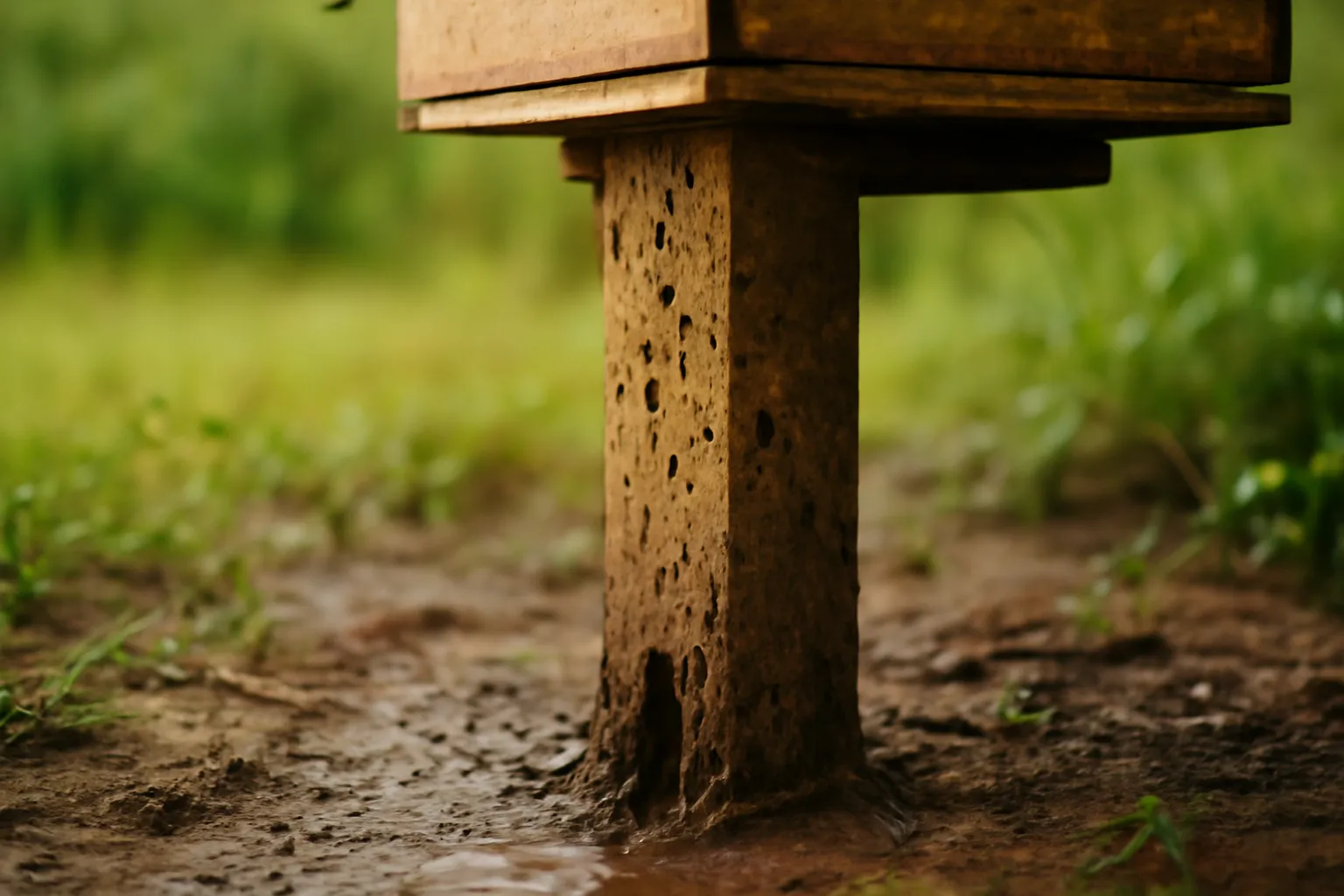
Termites and wood borers: they destroy the house, not the bees
Termites do not eat bees, but they hollow out stands and boxes. A collapse in the wet season takes the colony with it.
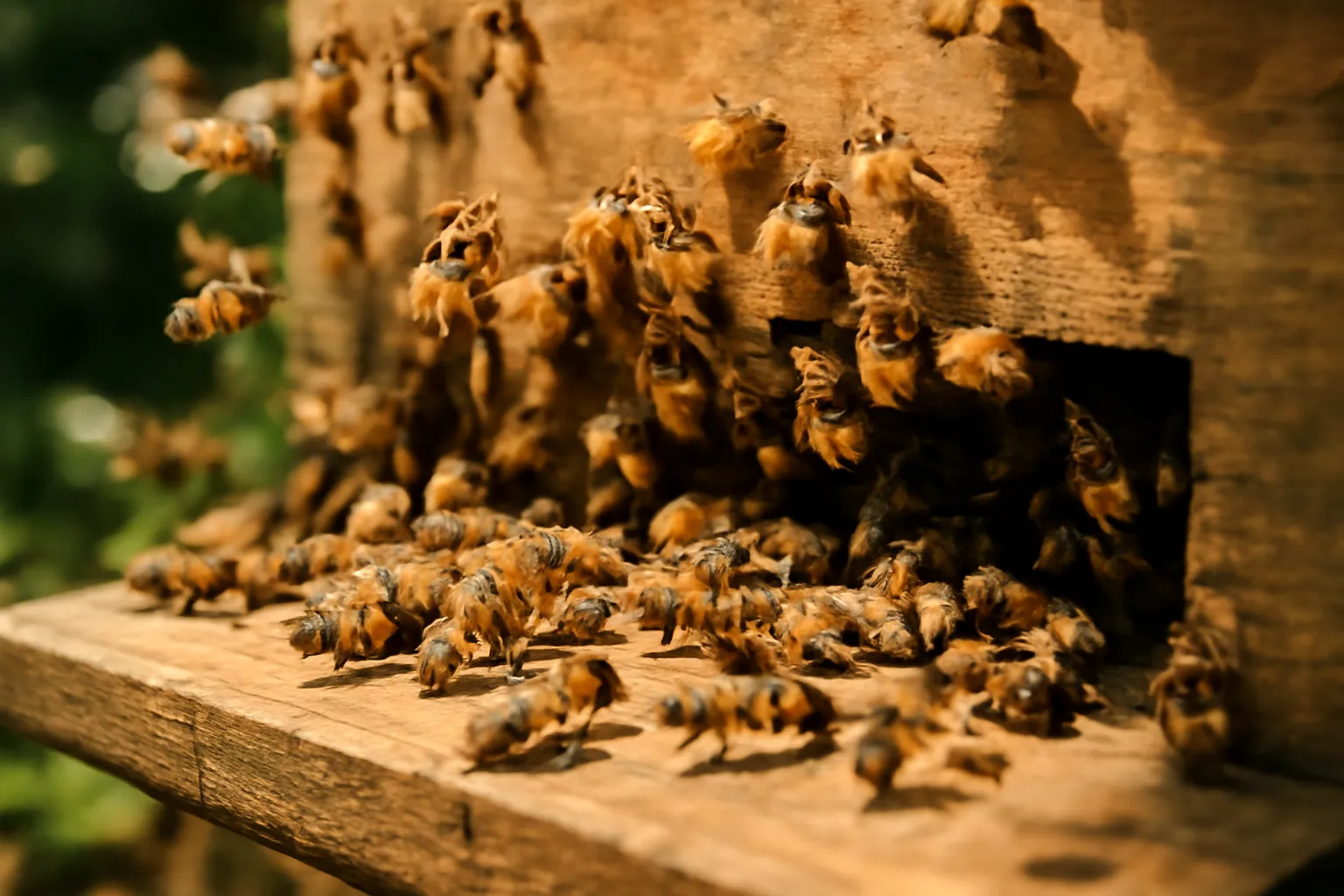
Robbing: when other colonies come for the honey
In lean months colonies target each other, and it often starts right after you harvest. How to spot and stop it.
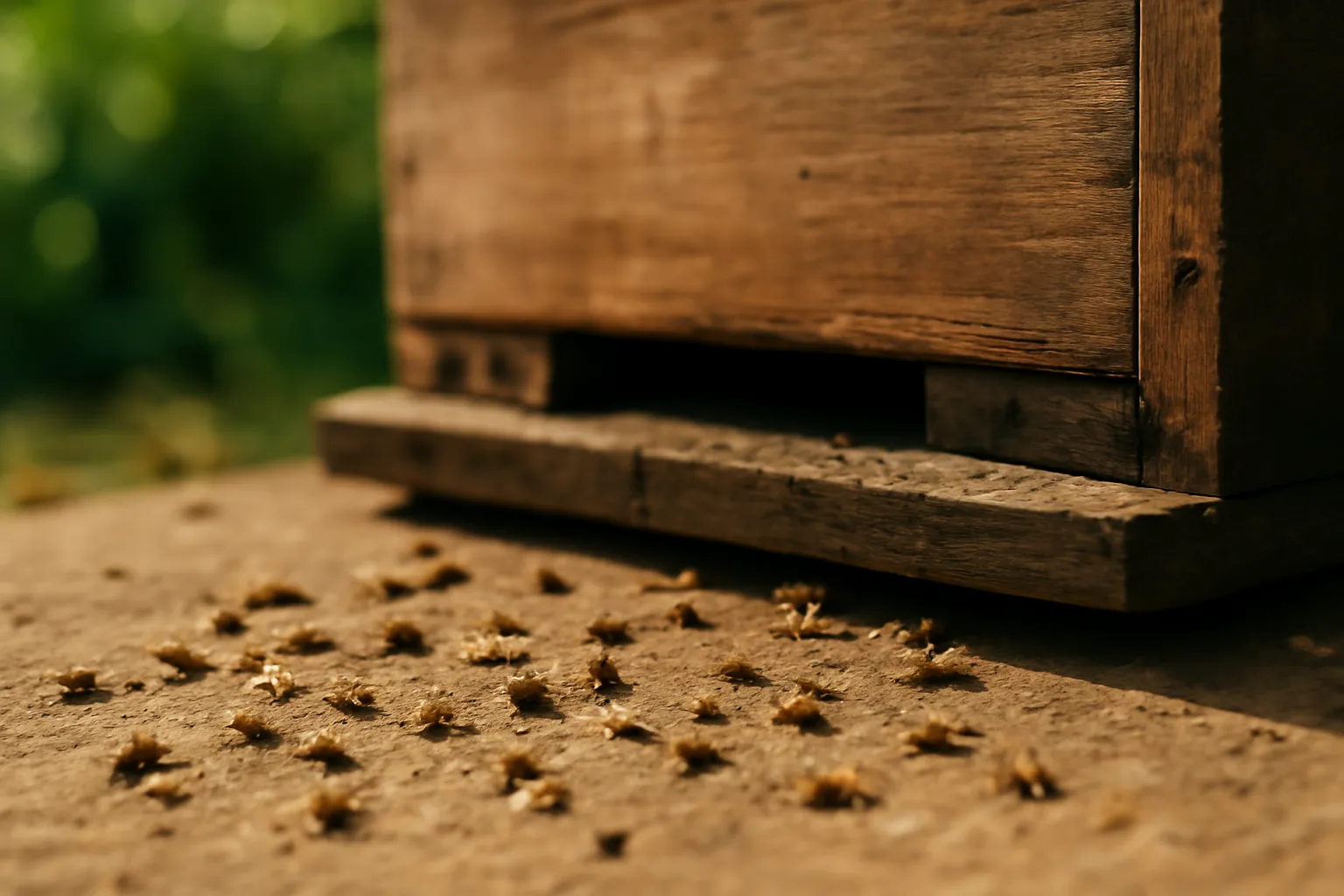
Pesticides and stingless bees: recognising poisoning
A colony dying within a day or two with no signs of disease is almost always chemical. What to look for and what can be done.
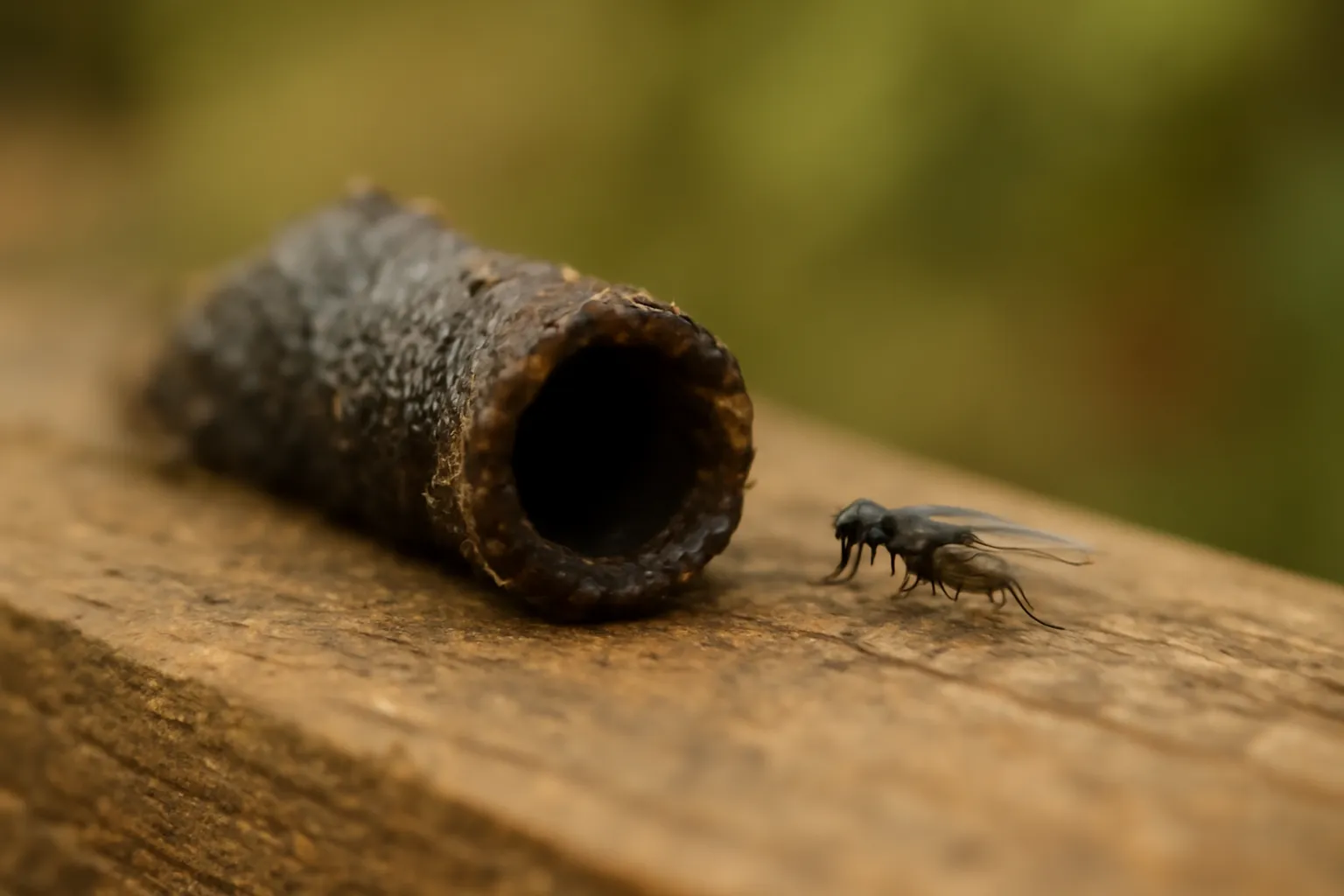
Parasitic flies: the threat nobody warns beginners about
Flies laying eggs in a nest destroy the brood from inside while the box still looks fine. Early signs and what to do.
 ›
×
›
×
A single-origin stingless bee honey from our own apiary in Trang Bang, Tay Ninh. Harvested and bottled by batch, traceable to the colony.
Vietnamese stingless bee honey, built for export
© 2026 Aron Bee. All rights reserved. · Copyright · OD-1C4F-F69A