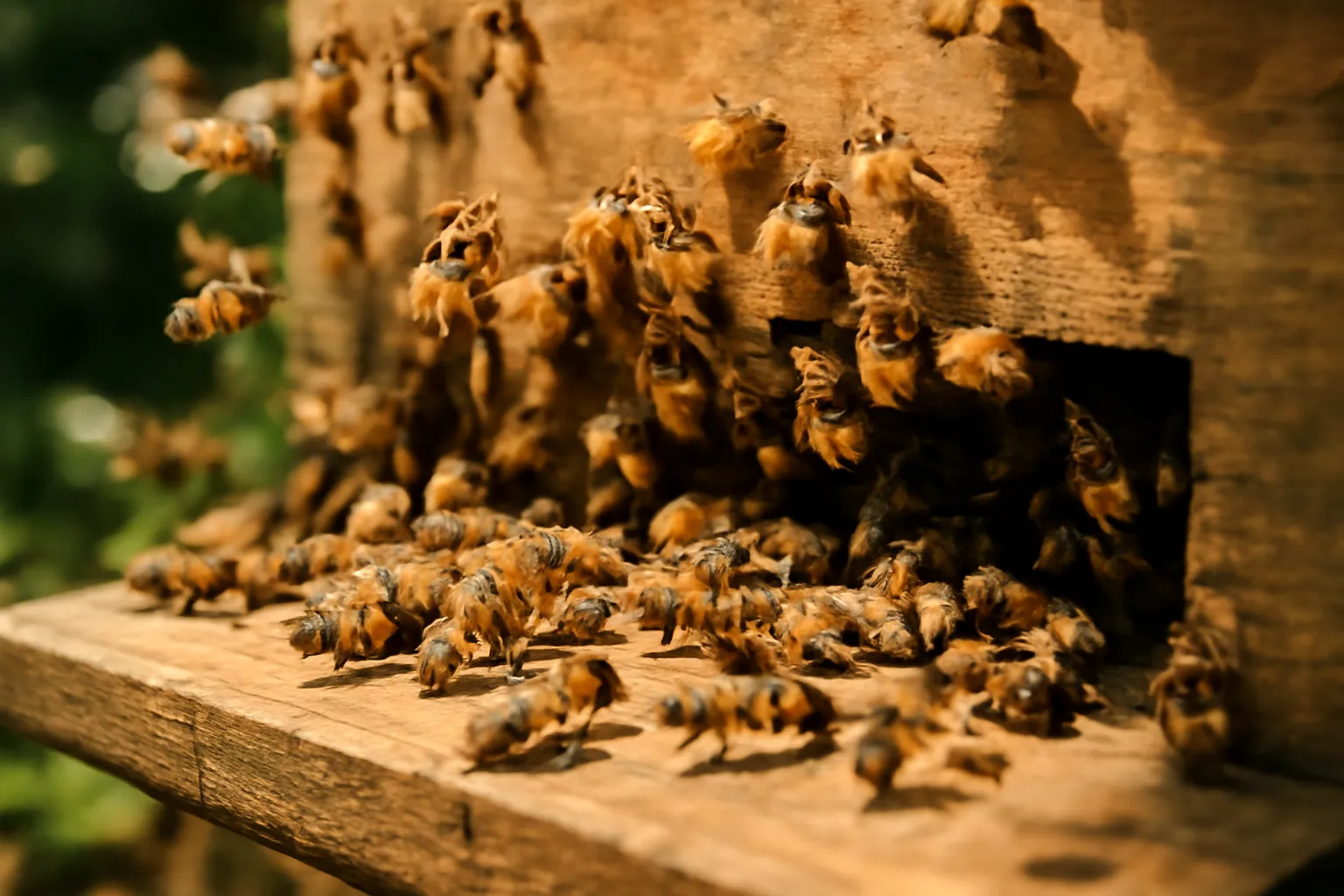
Robbing: when other colonies come for the honey
When flowering thins in the dry months, colonies begin targeting one another. A weak colony being robbed by a stronger one is common, and it can end with the weak one leaving.
Signs it is happening
- An unusually dense, disorderly crowd in front of the entrance, instead of the tidy in-and-out stream.
- Bees fighting on the front face of the box, small dead bees around the stand legs.
- Bees flying along the box probing for gaps rather than heading straight for the entrance.
- It peaks mid-morning and mid-afternoon.
Why it often starts after a harvest
Honey spilled on the outside of the box during harvesting is a signal that carries. At the same time, a colony that has just been opened is less able to guard its entrance. This is why the box must be wiped clean immediately after harvesting.
How to stop it
- Temporarily reduce the entrance to a single bee width with a small restrictor. The resident colony can then defend it far more easily.
- Place a small baffle just in front of the entrance so intruders must find a way around.
- Wipe away every trace of honey from the box and the stand.
- Do not harvest other colonies in the same area during these days.
The underlying cause
Robbing is a symptom of a hungry season. Planting shrubs that flower through the dry months, and not keeping more colonies than the garden's forage can support, are the only long-term fixes.
Frequently asked
Should I move the robbed colony?
Only if it persists and the colony is declining fast. Relocation carries its own risks, so try reducing the entrance first.
Do honey bees rob stingless bees?
They can, and being much larger they are very dangerous to a stingless colony. If keeping both, site them well apart.
How long should the entrance stay reduced?
Until the behaviour stops, usually one to two weeks. Reopen gradually rather than all at once.

Keeping records: the dullest job with the highest return
A few lines per colony over a few years tell you which lineage to propagate, which corner yields, and when to harvest.
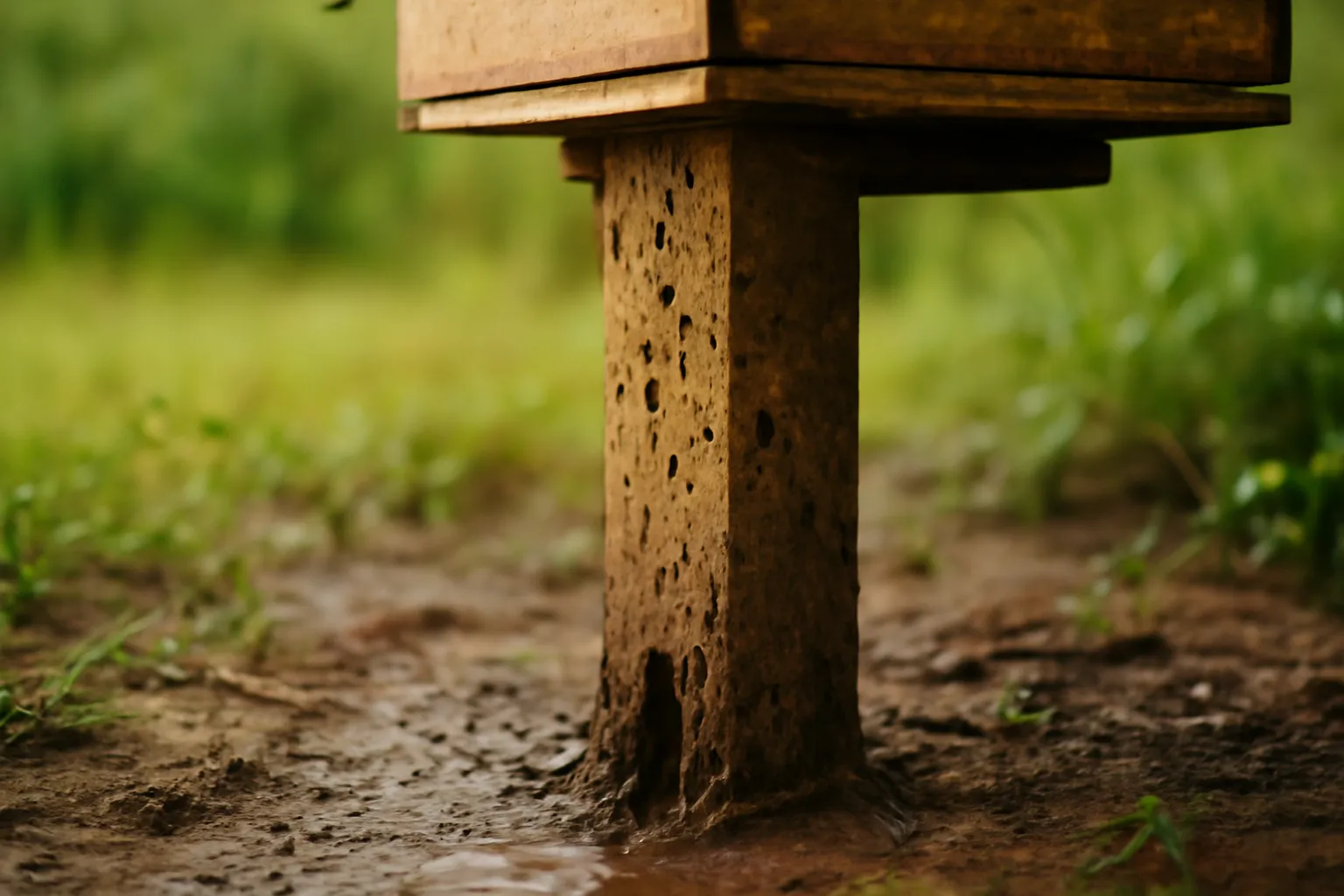
Termites and wood borers: they destroy the house, not the bees
Termites do not eat bees, but they hollow out stands and boxes. A collapse in the wet season takes the colony with it.
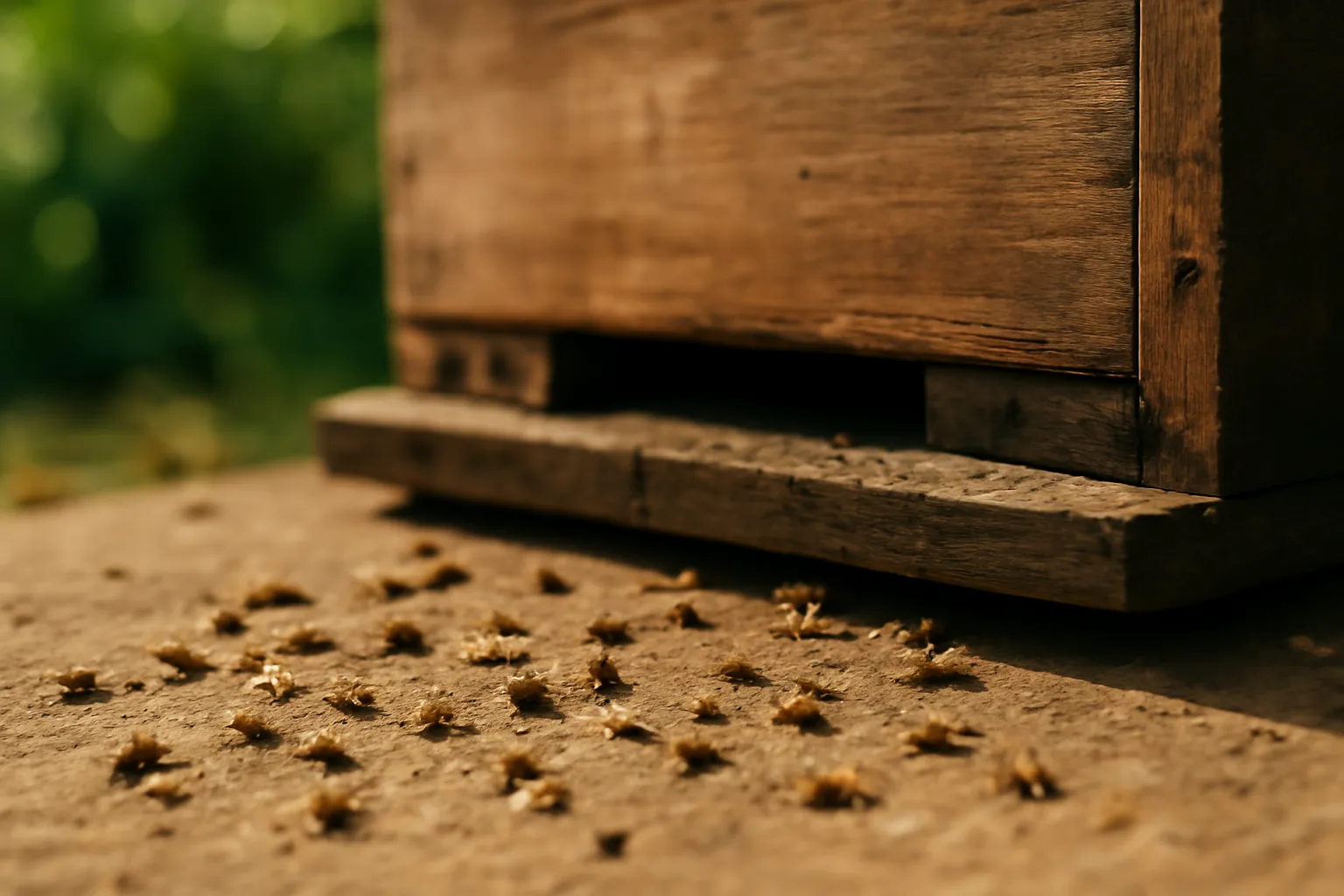
Pesticides and stingless bees: recognising poisoning
A colony dying within a day or two with no signs of disease is almost always chemical. What to look for and what can be done.
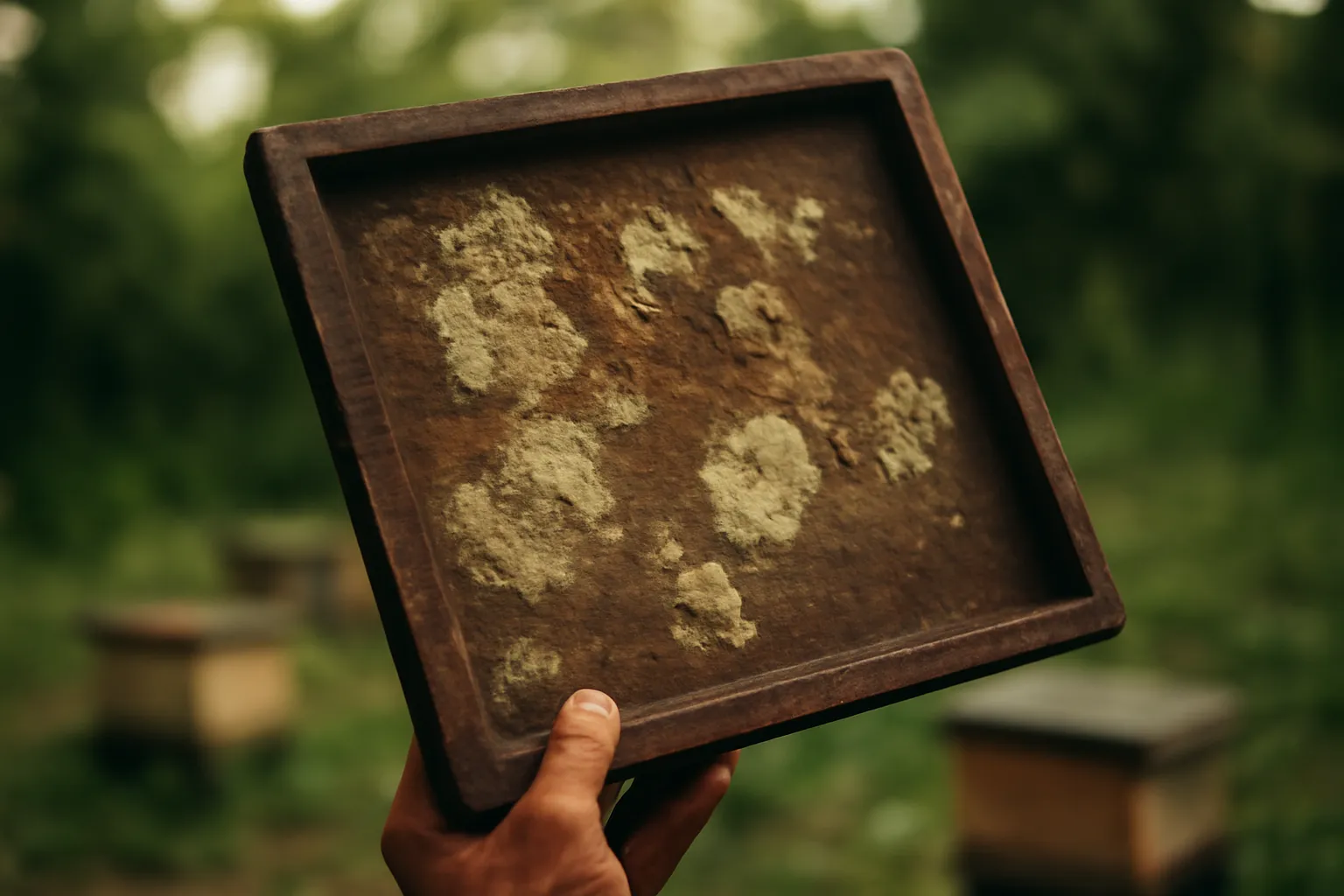
Mould inside the box is a damp problem, not a disease
White fuzz on the lid is almost always drainage and ventilation. How to tell it from an actual brood disease.
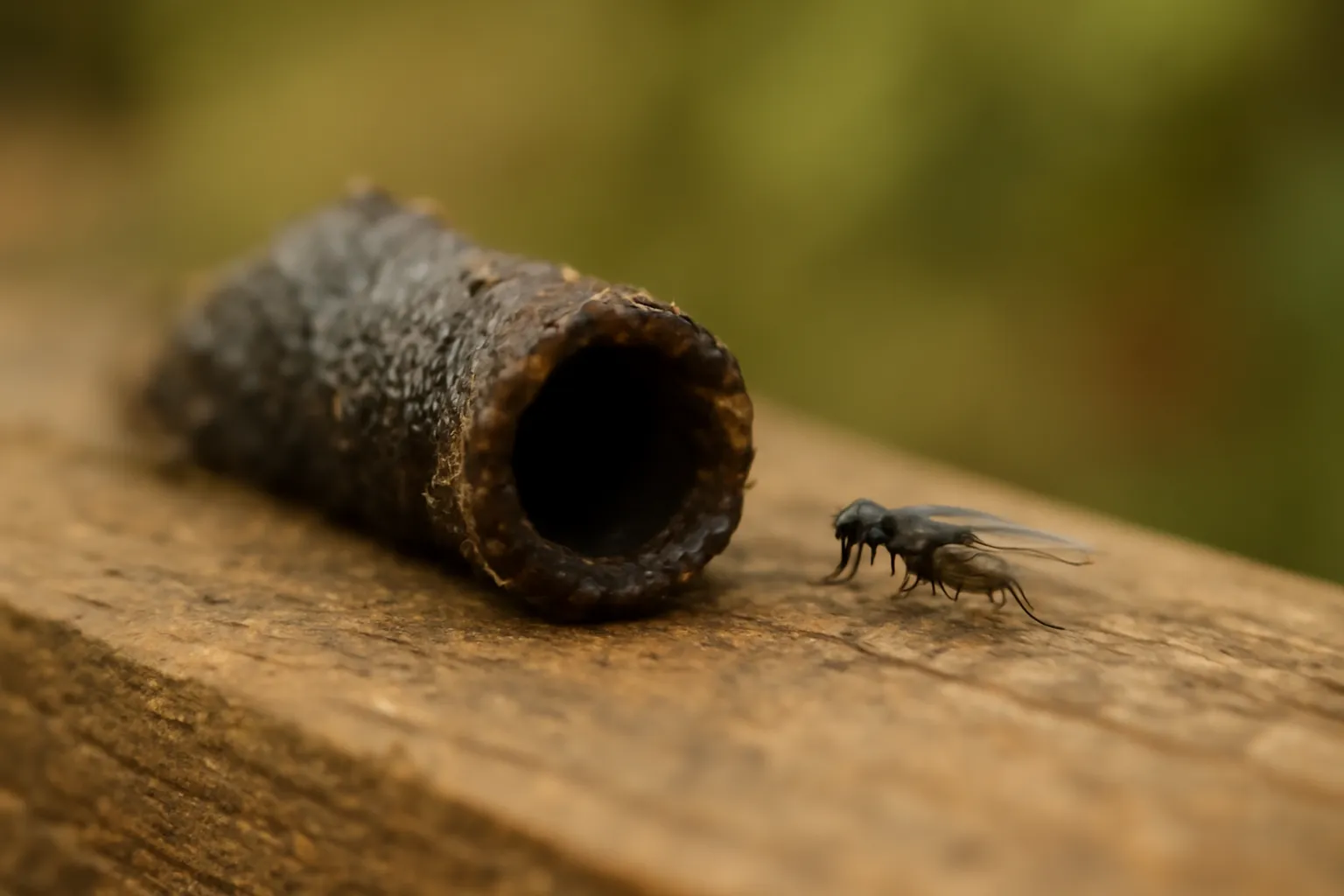
Parasitic flies: the threat nobody warns beginners about
Flies laying eggs in a nest destroy the brood from inside while the box still looks fine. Early signs and what to do.
 ›
×
›
×
A single-origin stingless bee honey from our own apiary in Trang Bang, Tay Ninh. Harvested and bottled by batch, traceable to the colony.
Vietnamese stingless bee honey, built for export
© 2026 Aron Bee. All rights reserved. · Copyright · OD-1C4F-F69A