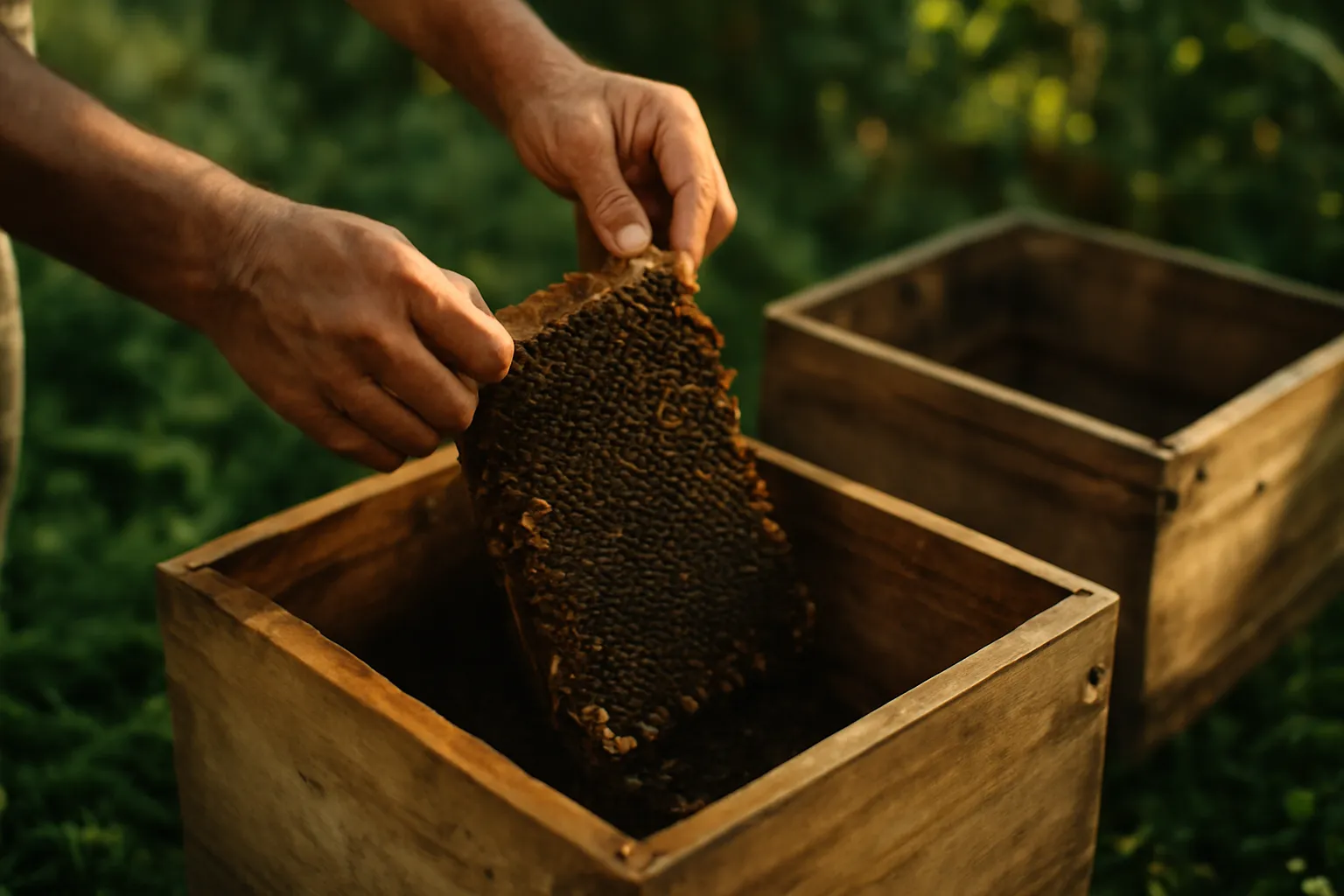
Splitting a colony step by step
Splitting stingless bees requires no special tools, but it does require working quickly, gently and in the right order. The whole operation should take under twenty minutes.
Step 1: open and read the nest
Lift the lid and wait half a minute. Identify the brood mass, the pollen pots, the honey pots, and look for queen cells — noticeably larger cells, usually at the edge of the brood. If there are no queen cells, close the lid and postpone the split.
Step 2: divide the brood
Separate the brood mass into two parts, each with larvae at several stages. The part going into the new box must include at least one queen cell. Give each side some pollen and honey pots as well — the daughter needs supplies for its first weeks.
Step 3: keep the orientation
The brood must go in the same way up as it was in the original box. Placed upside down, the larvae die. Prop it so it stands securely without being pressed.
Step 4: divide the bees
Bees cling to the brood, so dividing brood divides bees too. You can brush a few more from the walls of the original box into the new one. The mother keeps the existing queen and needs fewer workers.
Step 5: place the new box
Either more than three kilometres away, or immediately beside the original and then moved under a metre at a time. Placing it a few dozen metres away is the classic mistake — the daughter's foragers all return to the mother.
Step 6: the first seven days
Do not open either box. Watch the entrances only. The daughter will look sparse in the first week, which is expected. After about three weeks, steady pollen traffic means the new queen has emerged and is laying.
Frequently asked
What if the daughter has no queen?
If caught within a few weeks, transfer another piece of brood with a queen cell from a strong colony. Left too long, the daughter dwindles and is better merged back.
Can I split into three at once?
No. Dividing too finely leaves every part weak and vulnerable to ants. Split into two only.
When can the daughter be harvested?
Usually after a year, and only once it has filled its box. Do not expect a harvest in its first season.
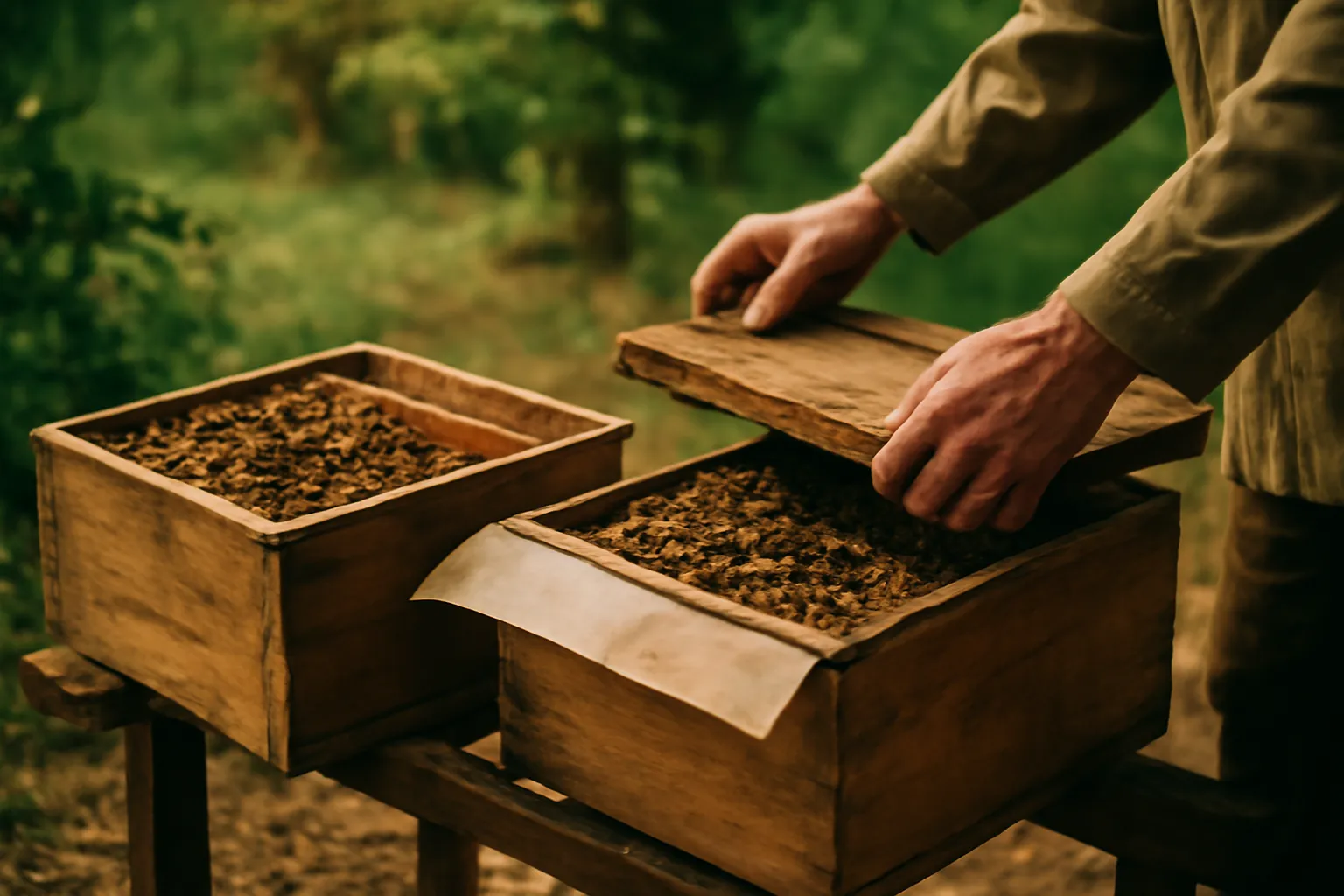
Merging two colonies into one
When a colony is too weak to survive alone, merging saves what is left. Done wrong, the two fight and both are lost.
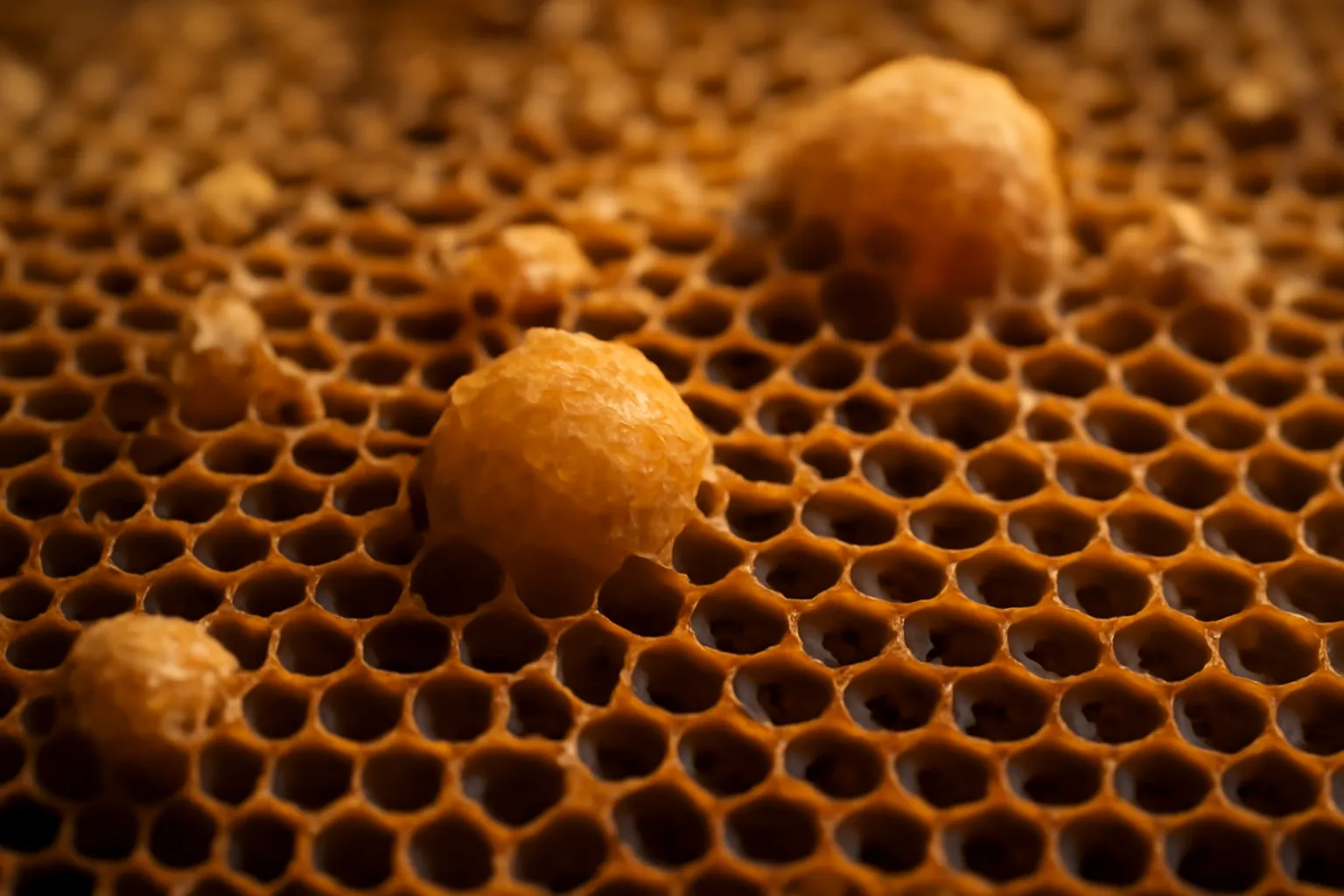
The queen: her role, queen cells, and spotting a queenless colony
You do not need to see the queen to know she is there. Three indirect signs more reliable than searching the nest.

Propagating colonies for sale: the arithmetic and the obligations
Selling colonies usually pays better than selling honey. What the growth rate really looks like, and what you owe the buyer.
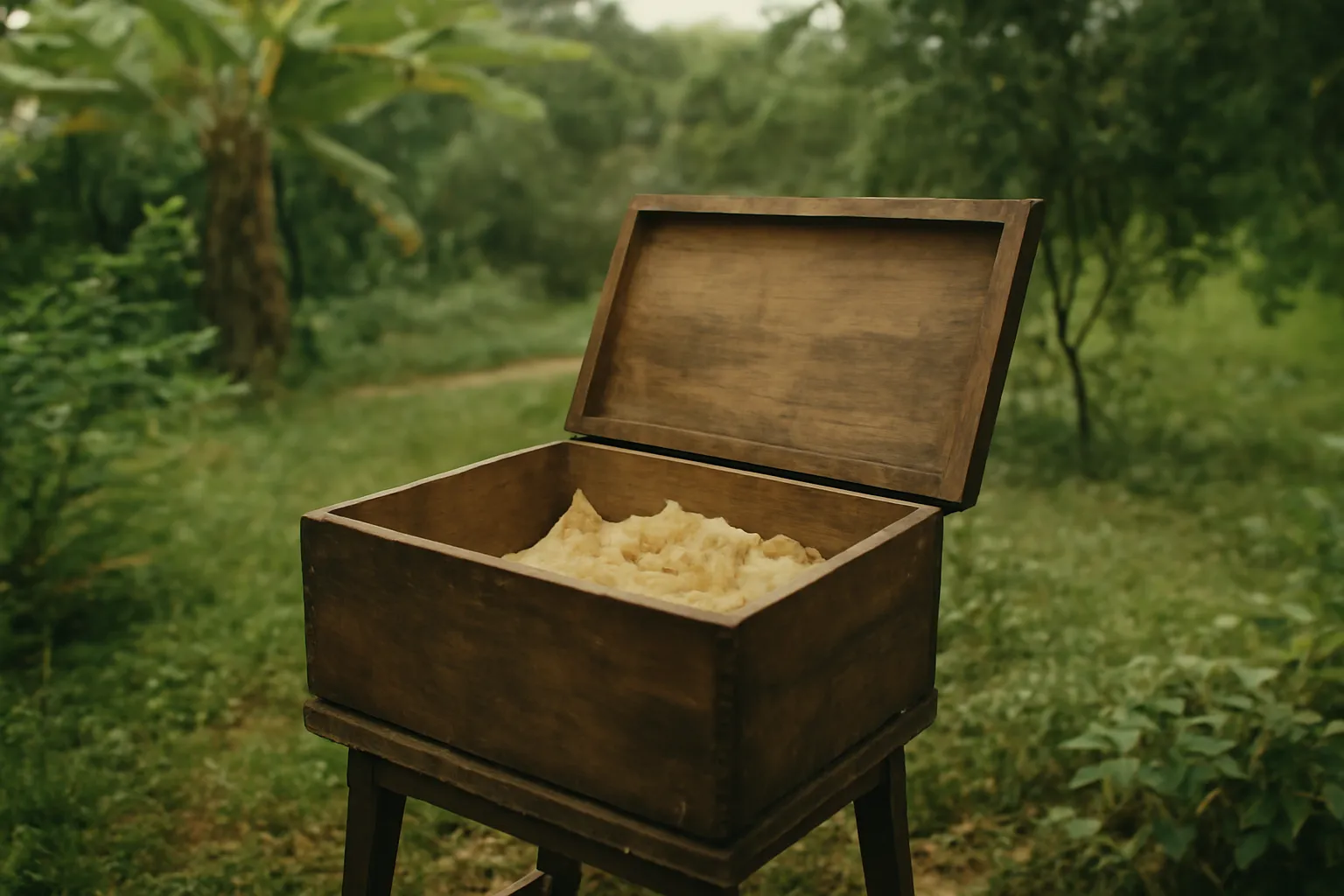
Absconding: why colonies leave and how to stop it happening again
Colonies rarely leave suddenly. They signal for days beforehand, and most causes trace back to the keeper.
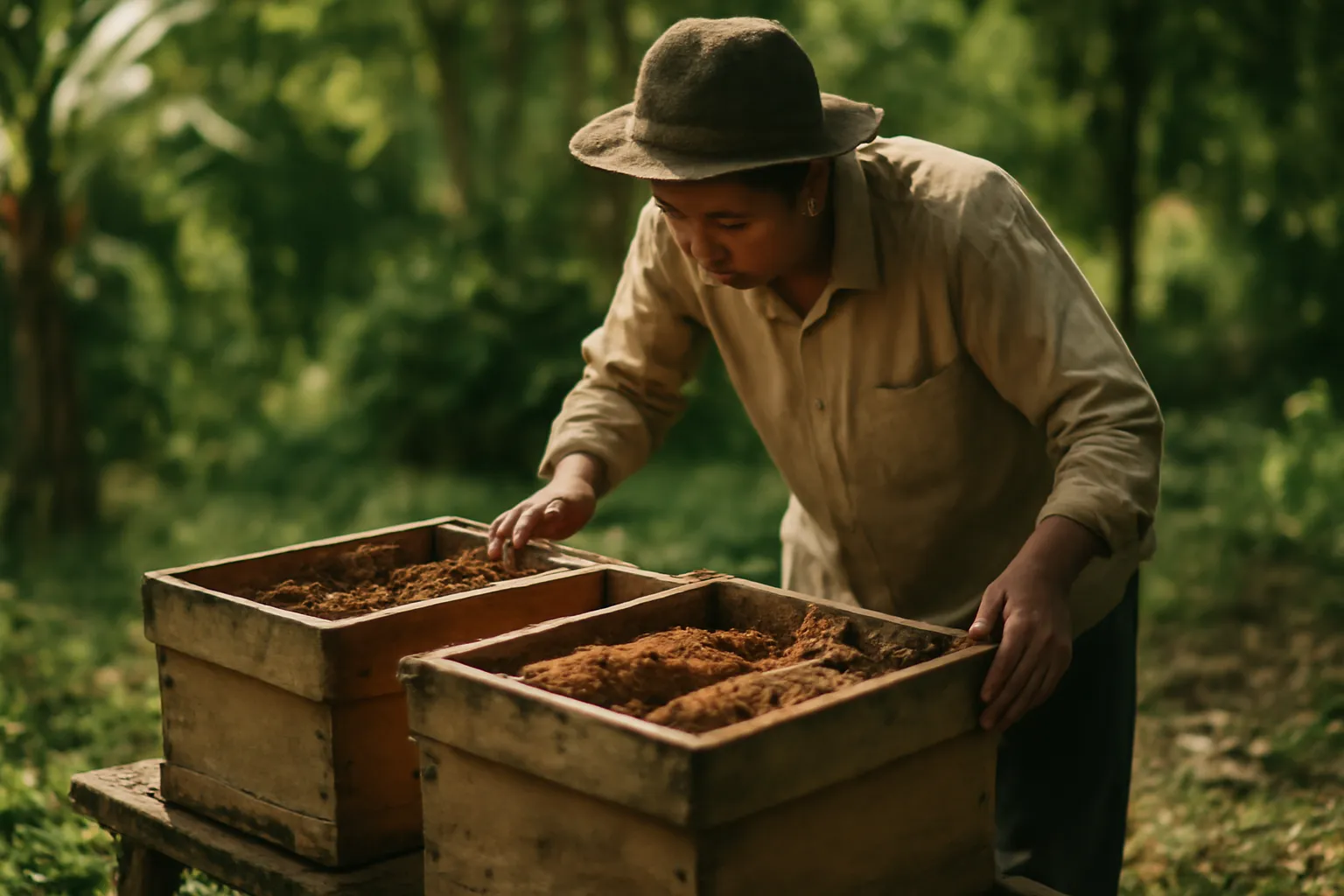
When to split a stingless bee colony and when to wait
Split at the right moment and you get two strong colonies. Split too early and you damage both.
 ›
×
›
×
A single-origin stingless bee honey from our own apiary in Trang Bang, Tay Ninh. Harvested and bottled by batch, traceable to the colony.
Vietnamese stingless bee honey, built for export
© 2026 Aron Bee. All rights reserved. · Copyright · OD-1C4F-F69A