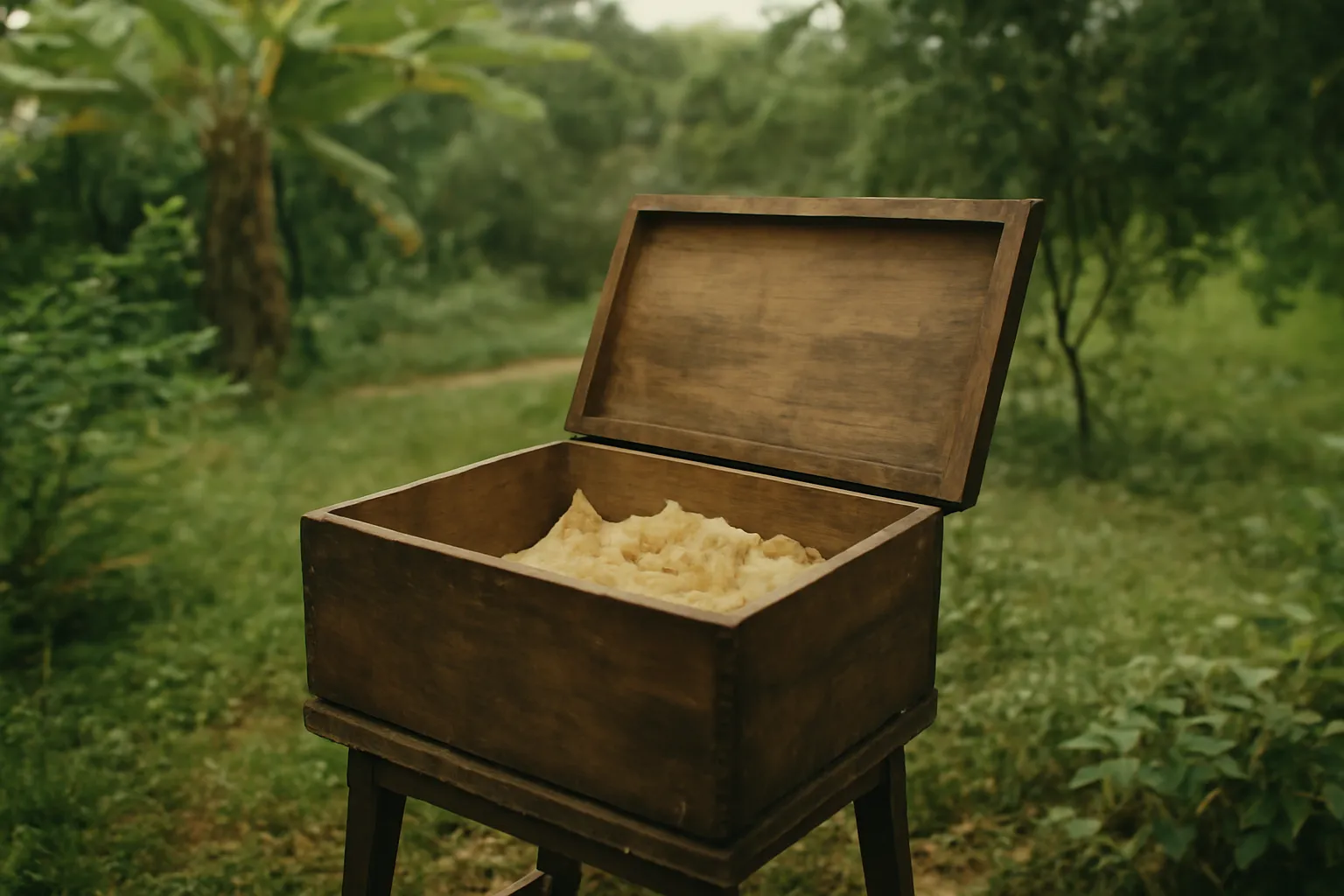
Absconding: why colonies leave and how to stop it happening again
Absconding is the beginner's greatest fear, and also the most preventable loss in the trade. Stingless bees do not leave on a whim; they leave when the cavity has stopped working for them.
Five causes, in order of frequency
- Opening the box too often. Beginners look inside daily. Every opening costs heat and forces the colony to repair structure. This is the leading cause in the first month.
- Heat. Midday sun on the box, wax softening, the nest at risk of collapse. The colony can leave within a single afternoon.
- Ants. Sustained harassment drives a colony out even before it has lost many bees.
- Damp and mould. Water pooling under the stand, rain driving into the entrance.
- Prolonged lack of forage. Less common, but real, particularly in urban settings.
The warning signs
A colony about to leave usually shows it for several days: bees clustering outside the entrance at midday, entrance traffic dropping sharply with no dead bees to explain it, and very few foragers returning with pollen — because brood rearing has stopped. Seeing these, check heat, ants and damp immediately.
What to do when you see the signs
Do not open the box; opening now accelerates the departure. Instead add shade, redo the ant defence, clear the ground around the stand, and leave it alone. If heat was the cause, the change shows within days.
After a colony has gone
Collect the remaining wax, pollen and honey within a few days before ants and termites arrive. Keep the wax to line a box for a new colony. And most importantly, find the cause before installing another colony in the same spot, or it will repeat.
Frequently asked
Do colonies come back?
Essentially never. They find a new cavity and stay.
Can I stop them mid-departure?
There is no reliable way. Prevention is the only route.
How long should I avoid opening the box?
Do not open at all in the first month after hiving. After that, every few months is enough for a settled colony.
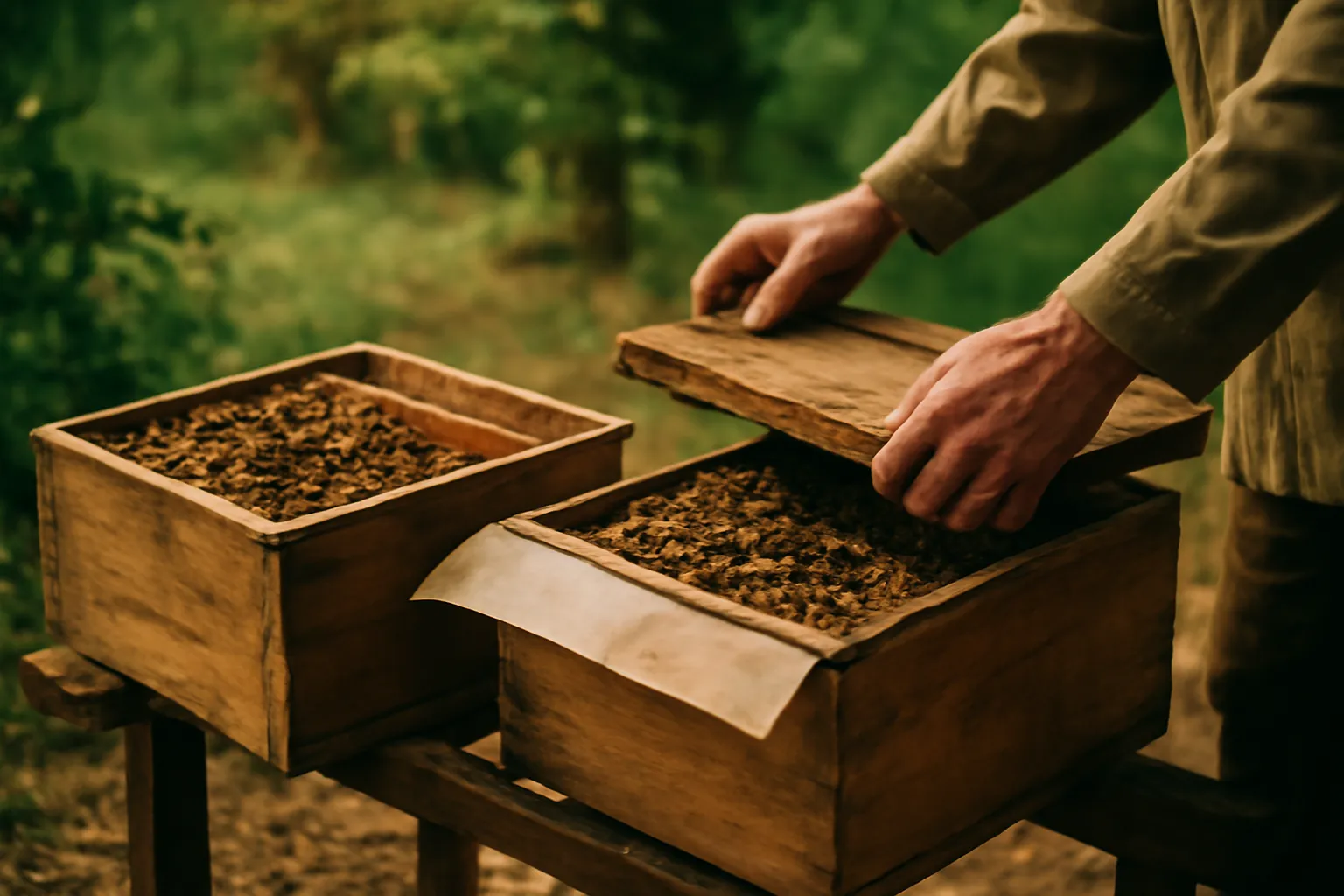
Merging two colonies into one
When a colony is too weak to survive alone, merging saves what is left. Done wrong, the two fight and both are lost.
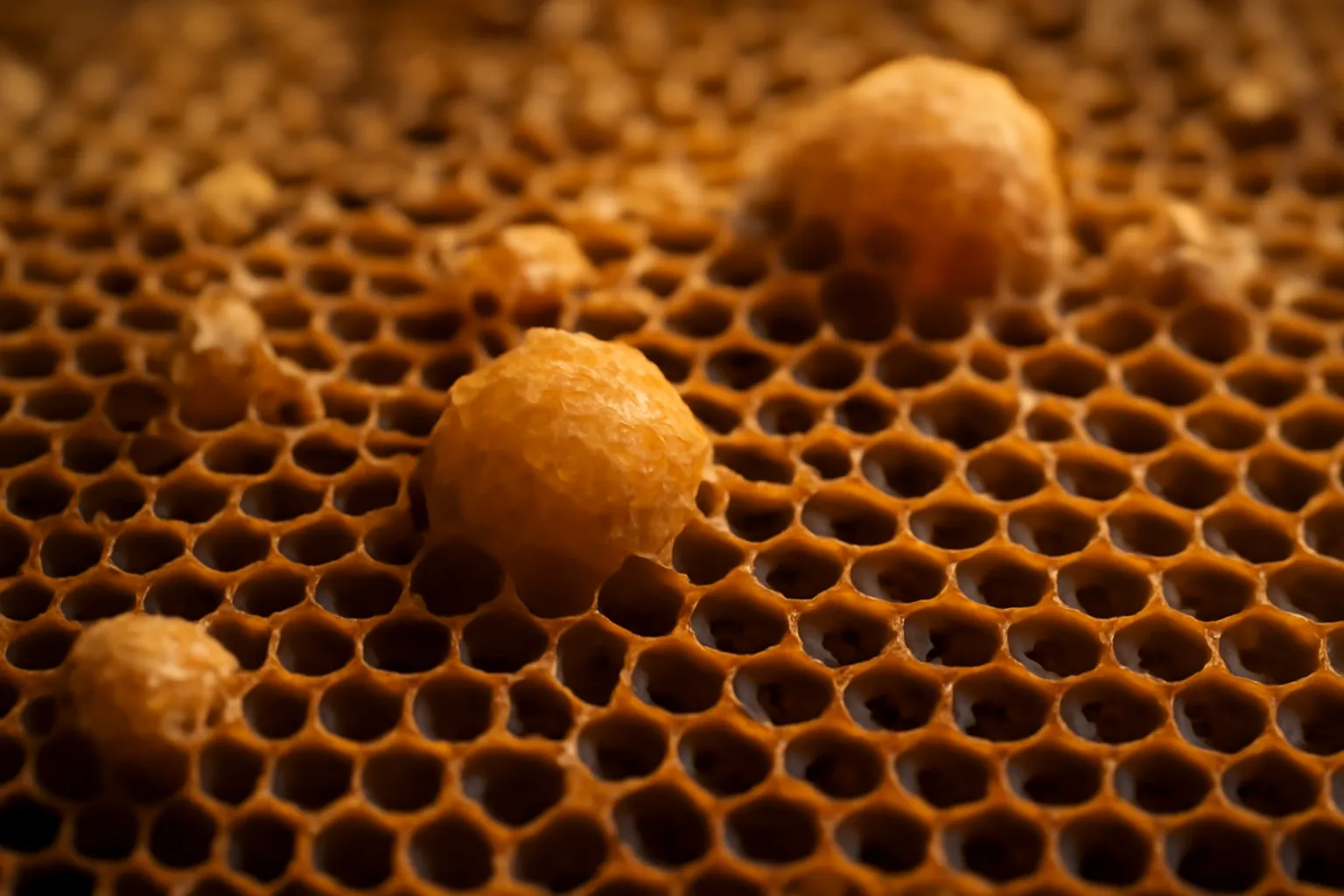
The queen: her role, queen cells, and spotting a queenless colony
You do not need to see the queen to know she is there. Three indirect signs more reliable than searching the nest.

Propagating colonies for sale: the arithmetic and the obligations
Selling colonies usually pays better than selling honey. What the growth rate really looks like, and what you owe the buyer.
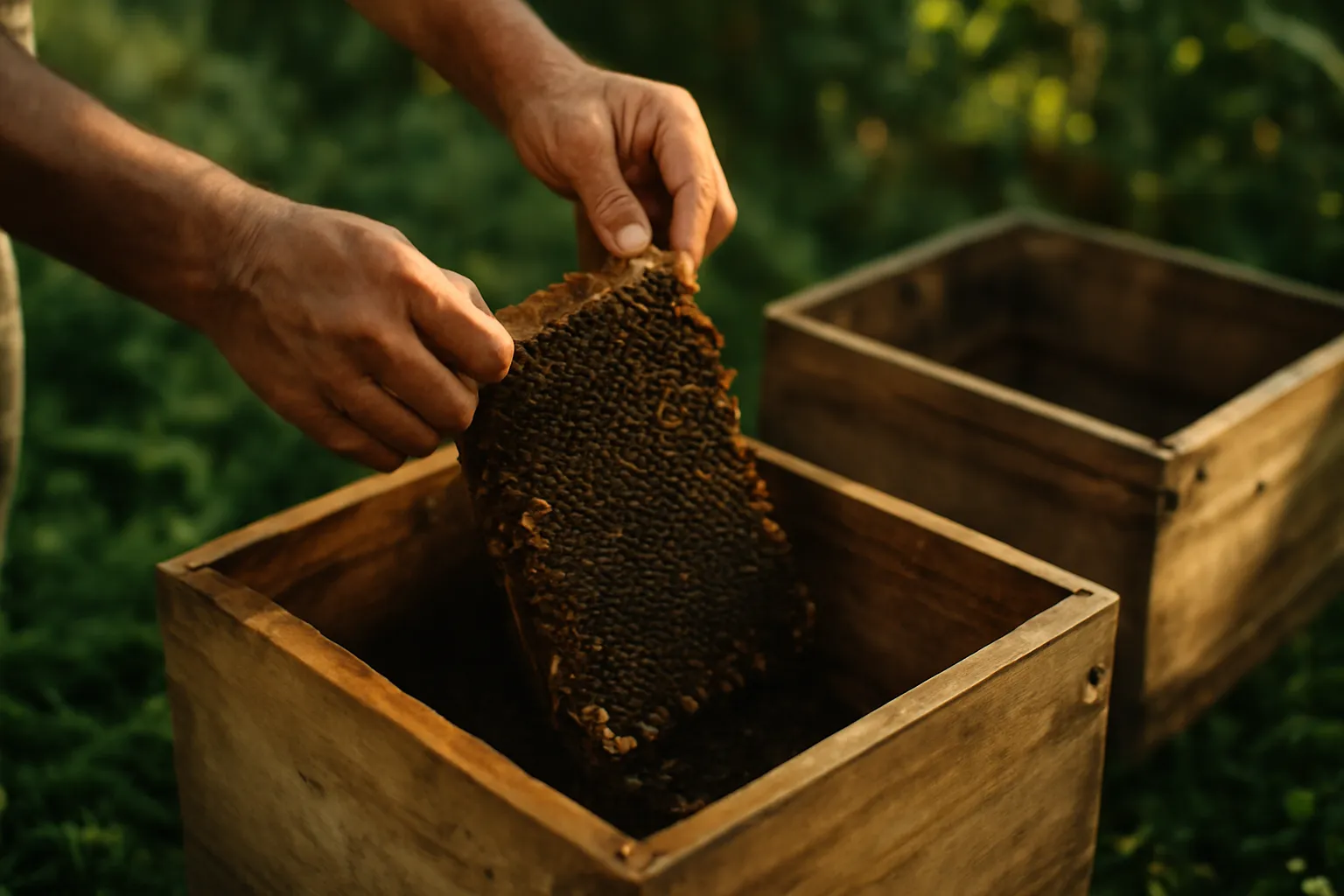
Splitting a colony step by step
Dividing the brood, making sure the daughter has a queen cell, and handling the first seven days. No special equipment needed.
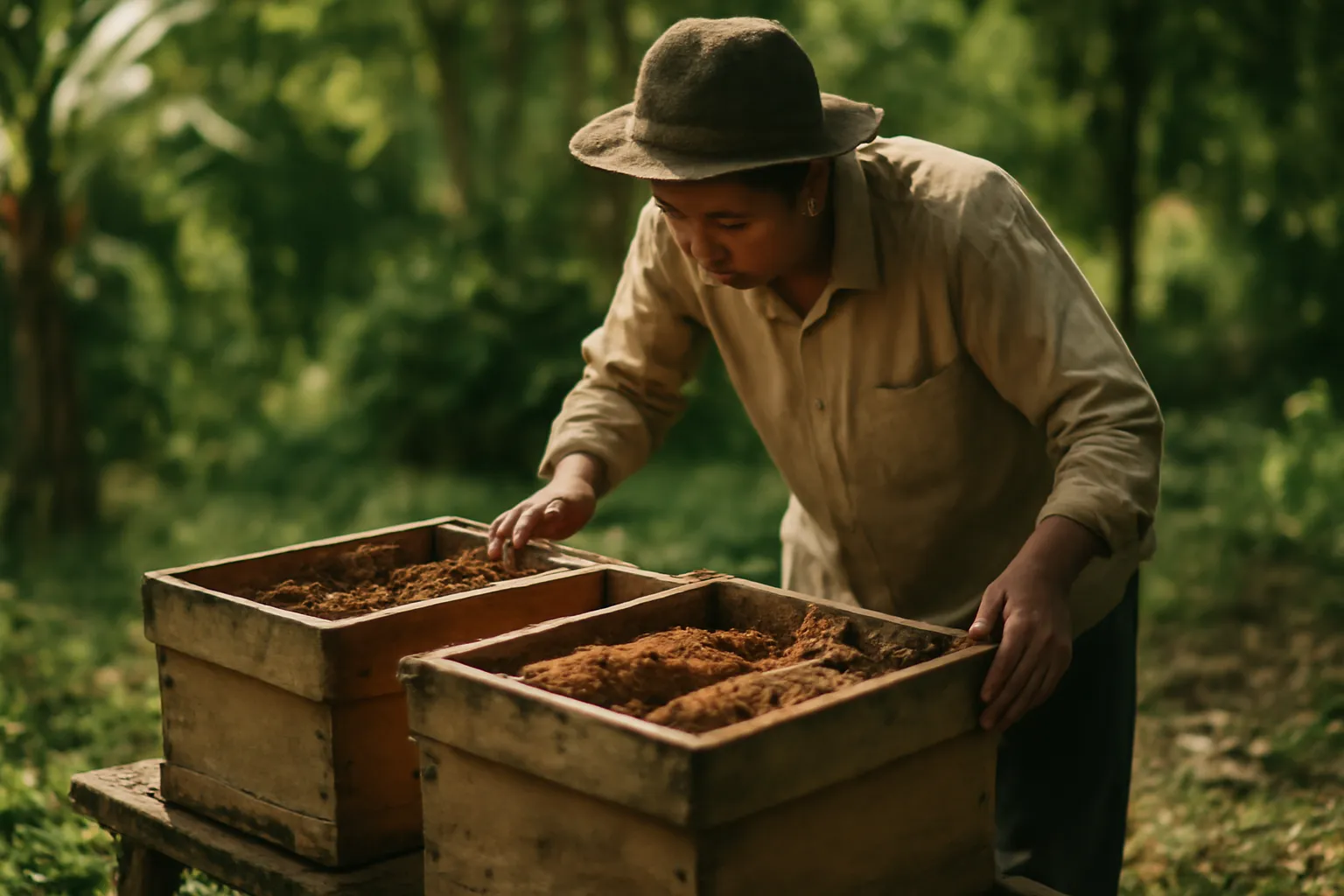
When to split a stingless bee colony and when to wait
Split at the right moment and you get two strong colonies. Split too early and you damage both.
 ›
×
›
×
A single-origin stingless bee honey from our own apiary in Trang Bang, Tay Ninh. Harvested and bottled by batch, traceable to the colony.
Vietnamese stingless bee honey, built for export
© 2026 Aron Bee. All rights reserved. · Copyright · OD-1C4F-F69A