
Merging two colonies into one
Not every weak colony can be nursed back. When a colony has lost its queen and its numbers have fallen far enough, merging it into another preserves what is left rather than watching it fade.
When to merge
- Queenless, with no queen cells to raise a replacement.
- Numbers very low and the brood essentially gone.
- Heading into the dry season, when a weak colony is unlikely to survive.
When not to merge
If the colony still has a queen and brood, let it recover on its own and address the root cause instead — ants, heat or damp. Merging a queenright colony into another wastes it and provokes unnecessary conflict.
The paper method
The safest approach lets the two sides learn each other's scent before they meet. Place the weak colony's nest into the strong colony's box with a sheet of thin paper between them, pierced with a few small holes. The bees chew through the paper over several days; by the time they meet, the scents have mixed and they do not fight.
Timing
Late afternoon, when most bees are home and activity has slowed. Merging in the middle of the day while bees are flying raises the chance of conflict.
Afterwards
Do not open the box for at least two weeks. Watch the entrance: an unusual number of dead bees in the first few days means the two sides are fighting, though it usually settles. After two weeks, steady traffic with pollen coming in means the merge has worked.
Frequently asked
Will the merged colony be much stronger?
Stronger than the weak colony was, but not the simple sum of the two — some older workers are lost. The aim is to save the brood and young bees, not to double the colony.
Can three colonies be merged at once?
No. One into one, and let it stabilise before doing anything else.
Can different species be merged?
No. Merge only within the same species; different stingless bee species do not integrate.
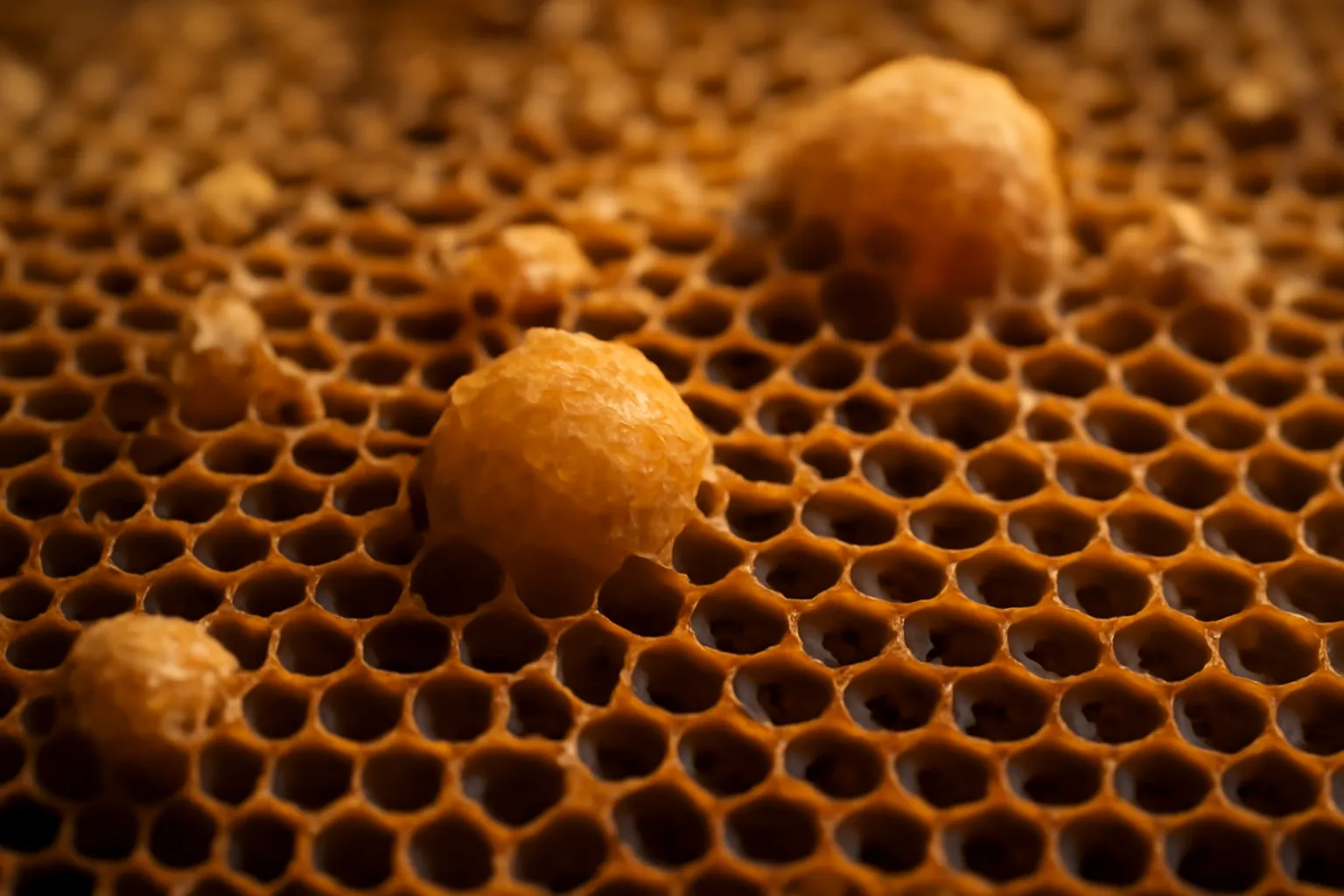
The queen: her role, queen cells, and spotting a queenless colony
You do not need to see the queen to know she is there. Three indirect signs more reliable than searching the nest.

Propagating colonies for sale: the arithmetic and the obligations
Selling colonies usually pays better than selling honey. What the growth rate really looks like, and what you owe the buyer.
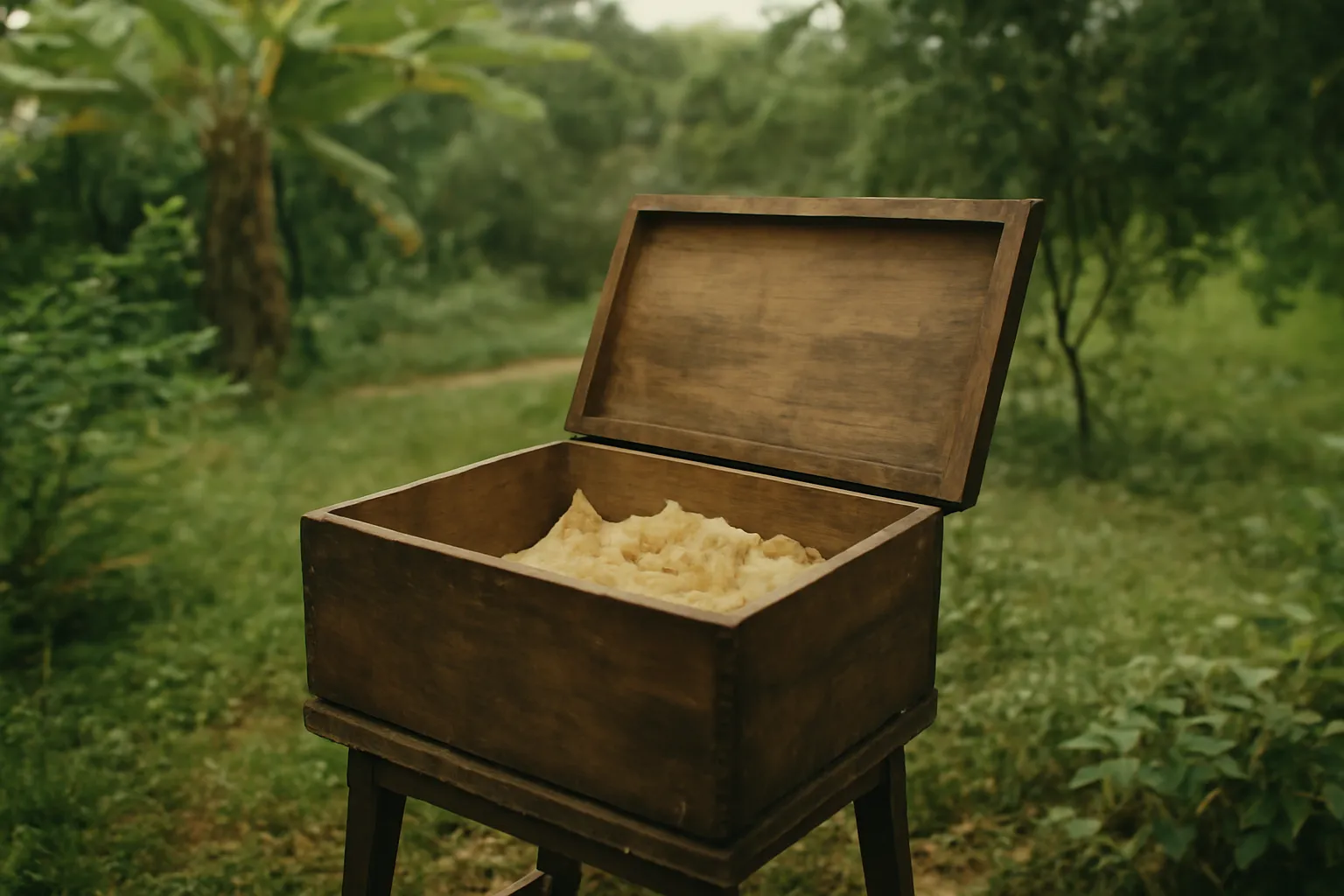
Absconding: why colonies leave and how to stop it happening again
Colonies rarely leave suddenly. They signal for days beforehand, and most causes trace back to the keeper.
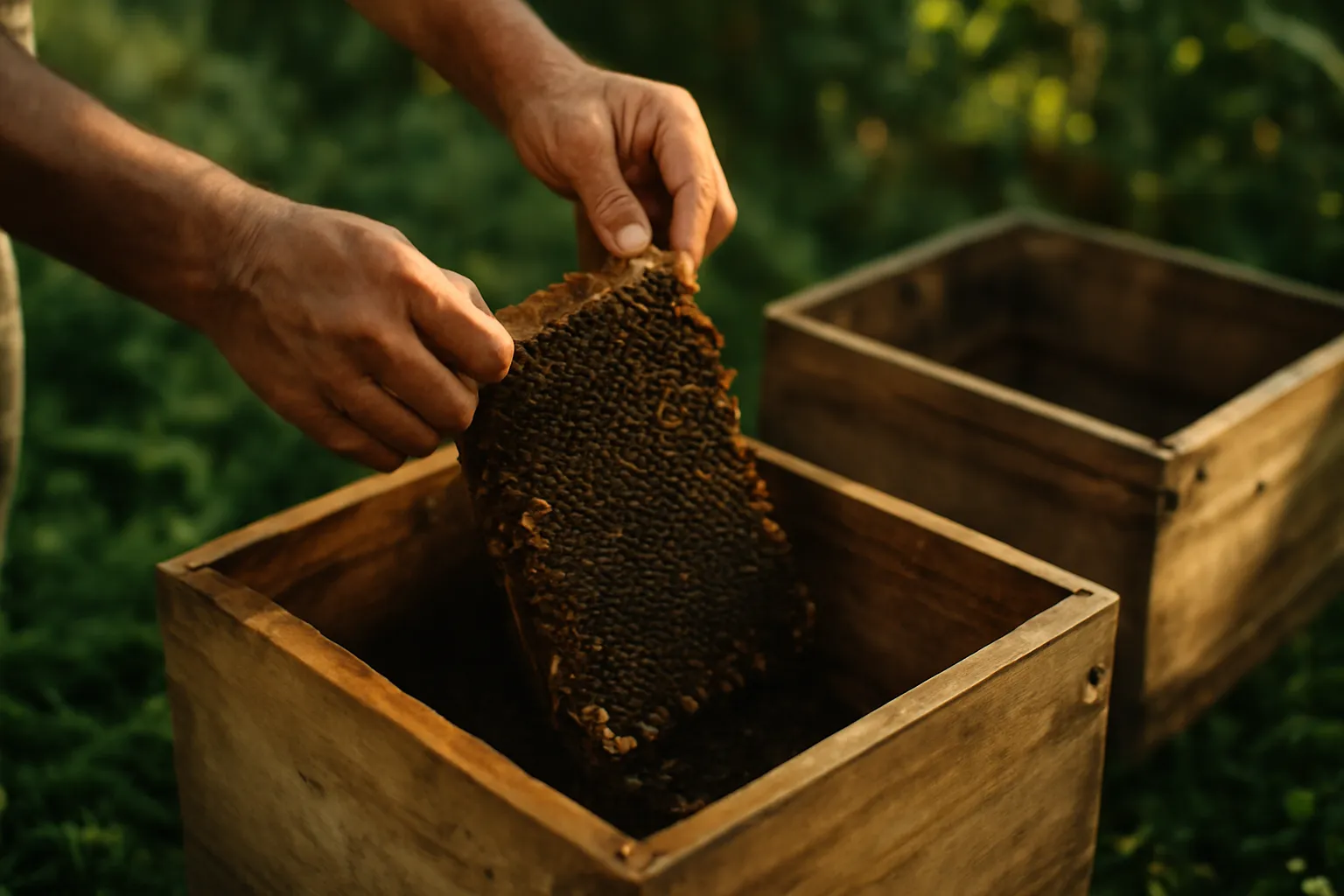
Splitting a colony step by step
Dividing the brood, making sure the daughter has a queen cell, and handling the first seven days. No special equipment needed.
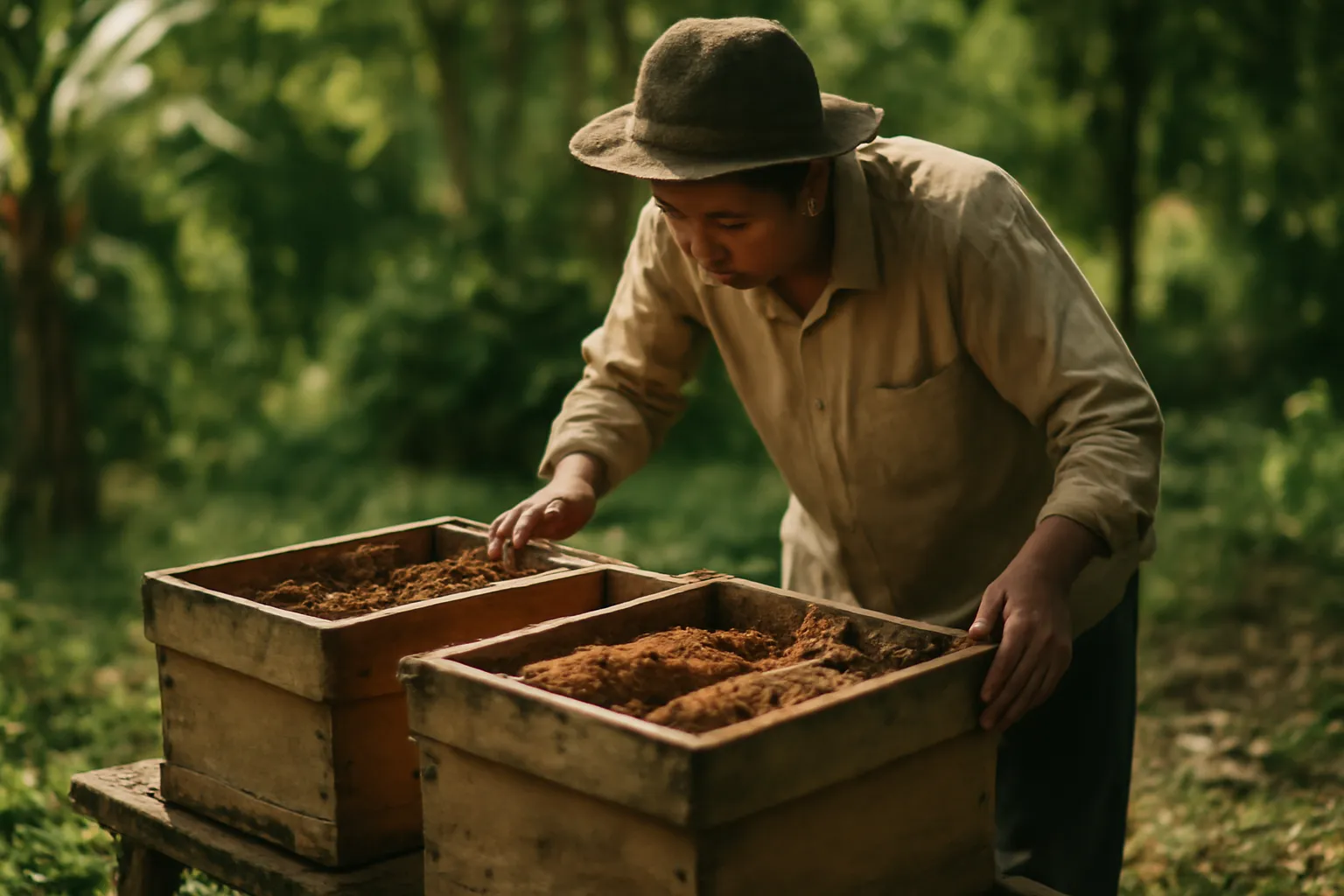
When to split a stingless bee colony and when to wait
Split at the right moment and you get two strong colonies. Split too early and you damage both.
 ›
×
›
×
A single-origin stingless bee honey from our own apiary in Trang Bang, Tay Ninh. Harvested and bottled by batch, traceable to the colony.
Vietnamese stingless bee honey, built for export
© 2026 Aron Bee. All rights reserved. · Copyright · OD-1C4F-F69A