
Propagating colonies for sale: the arithmetic and the obligations
In most markets a colony is worth many harvests of honey, which is why serious operations lean toward propagation. But it comes with obligations that selling honey does not.
The real growth rate
A strong colony splits once or twice a year, and each daughter needs about a year before it is worth selling. Starting from two colonies, it takes several years to reach meaningful numbers. This is a slow trade; anyone promising rapid multiplication should be questioned closely.
Forage is the real ceiling
Propagating faster than the surrounding flowering plants can support means every colony weakens. Genuine expansion means opening additional sites, not packing more boxes into the same garden.
Costs to account for
- A box for each new colony.
- Stands and ant-defence materials.
- Planting to extend forage — the long-term investment most often overlooked.
- Time, concentrated in the splitting and harvesting seasons.
What you owe the buyer
Selling a colony is not selling a box. Most buyers are beginners, and they will hit exactly the problems you once did: bad placement, opening the lid too often, forgetting the water cups. A seller who provides no guidance produces a high failure rate, and word travels fast in a small trade.
The durable approach: sell with a short written guide, stay reachable through the buyer's first season, and say plainly in advance that there will be no honey in the first year.
Do not sell a colony that is not ready
A colony split a few months ago, thin in numbers with a small brood, should not be sold however much the buyer presses. It is going to a new site with an inexperienced keeper, and its survival odds are poor. Turning down an order costs less than losing a customer.
Frequently asked
What size colony should be sold?
A medium, established one suits beginners. Smaller and cheaper demands more skill from the buyer.
Should colonies be guaranteed?
Many sellers replace a colony that fails quickly through a fault in the colony itself. State the limits clearly — losses from bad placement or ants are not covered.
Is any paperwork needed?
For small local sales usually not, but for larger operations or interprovincial transport, check current requirements with the local veterinary authority.
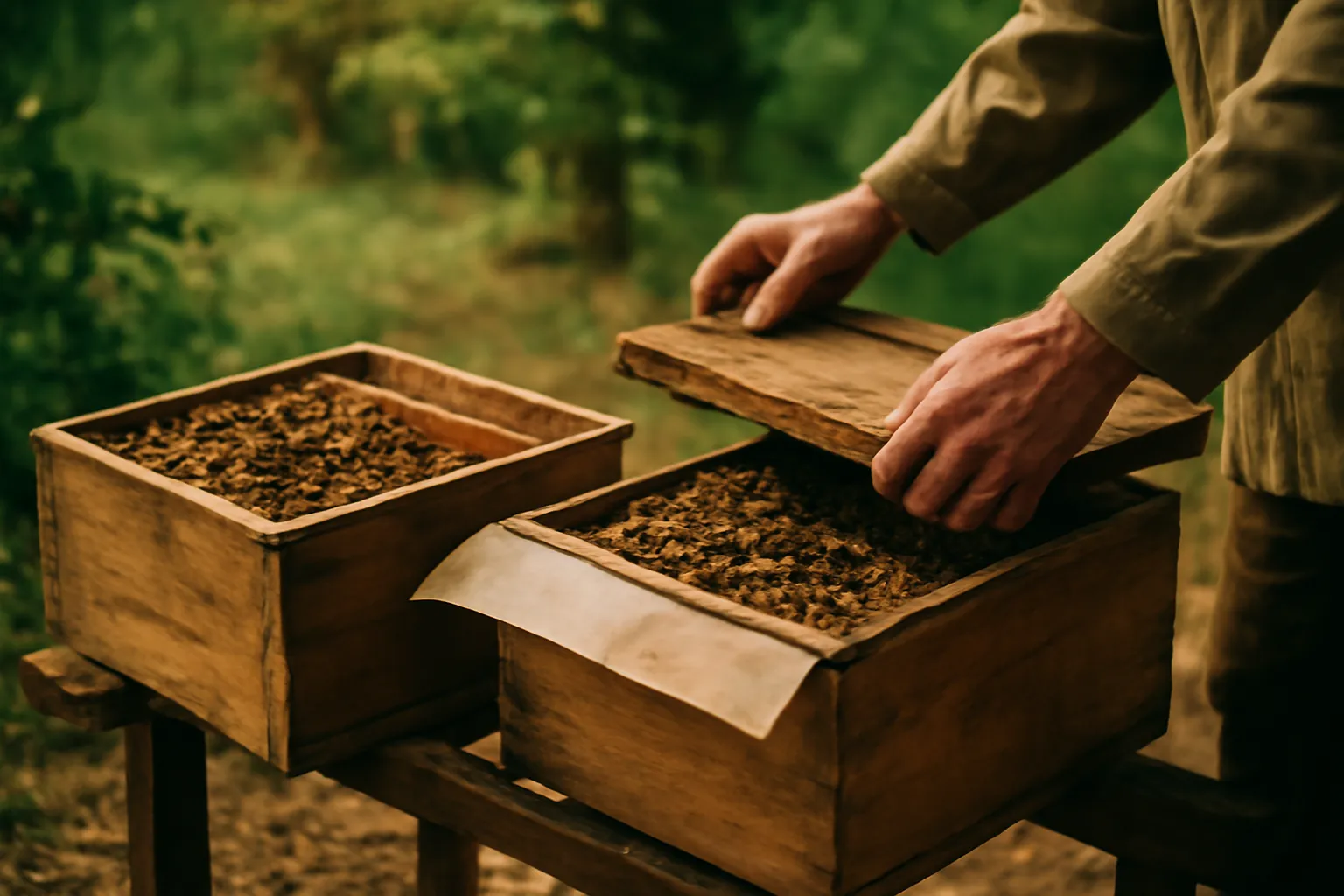
Merging two colonies into one
When a colony is too weak to survive alone, merging saves what is left. Done wrong, the two fight and both are lost.
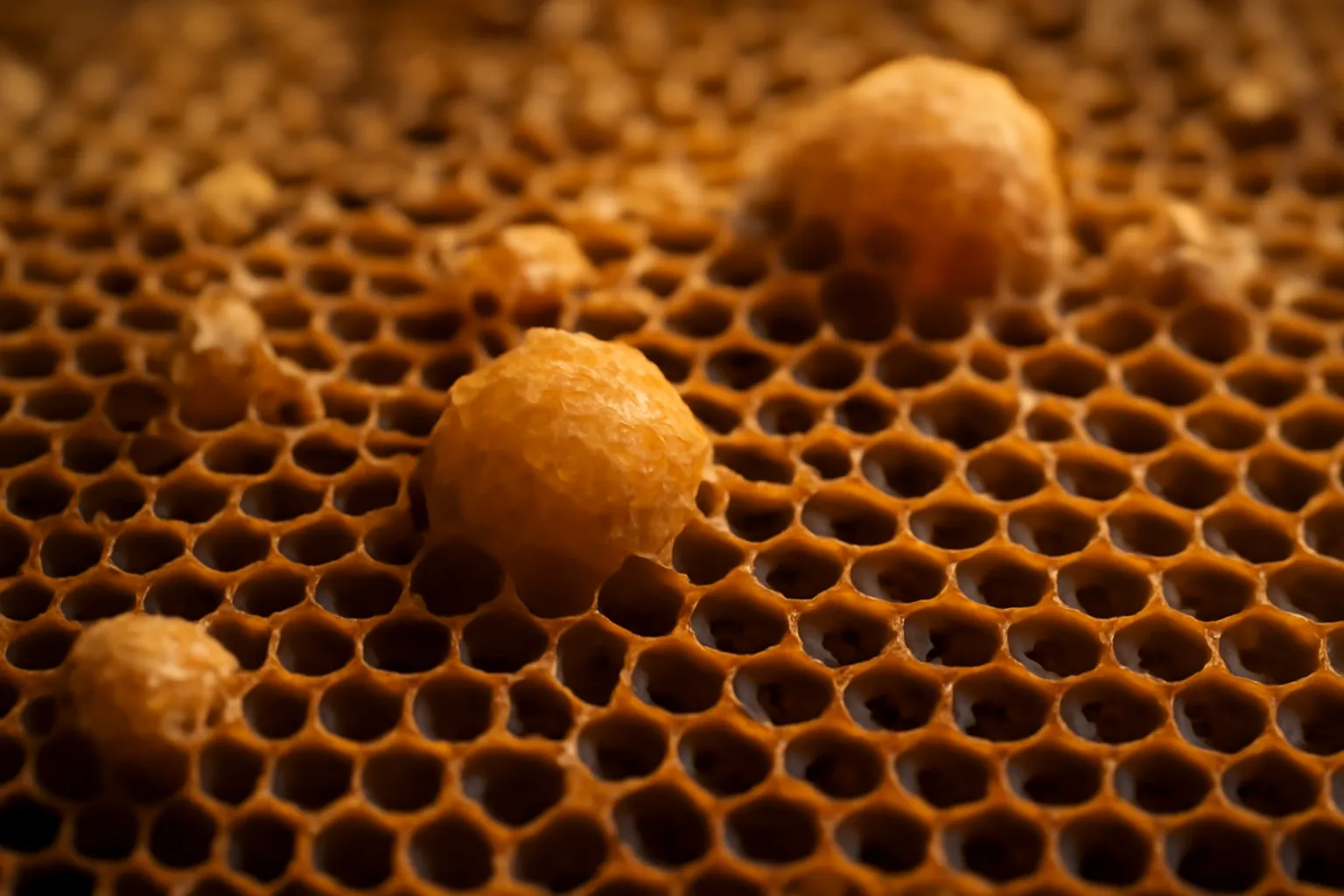
The queen: her role, queen cells, and spotting a queenless colony
You do not need to see the queen to know she is there. Three indirect signs more reliable than searching the nest.
Absconding: why colonies leave and how to stop it happening again
Colonies rarely leave suddenly. They signal for days beforehand, and most causes trace back to the keeper.
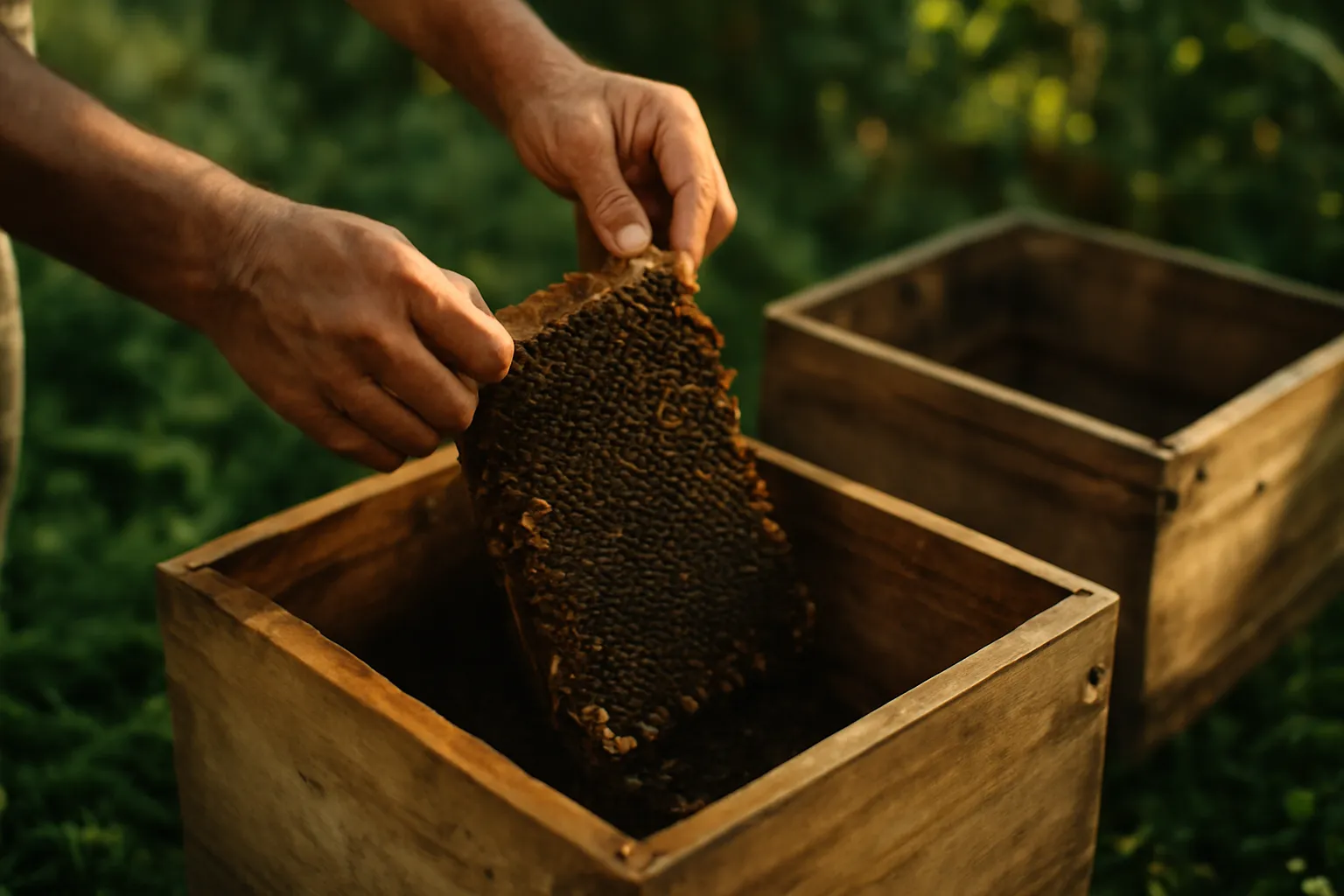
Splitting a colony step by step
Dividing the brood, making sure the daughter has a queen cell, and handling the first seven days. No special equipment needed.
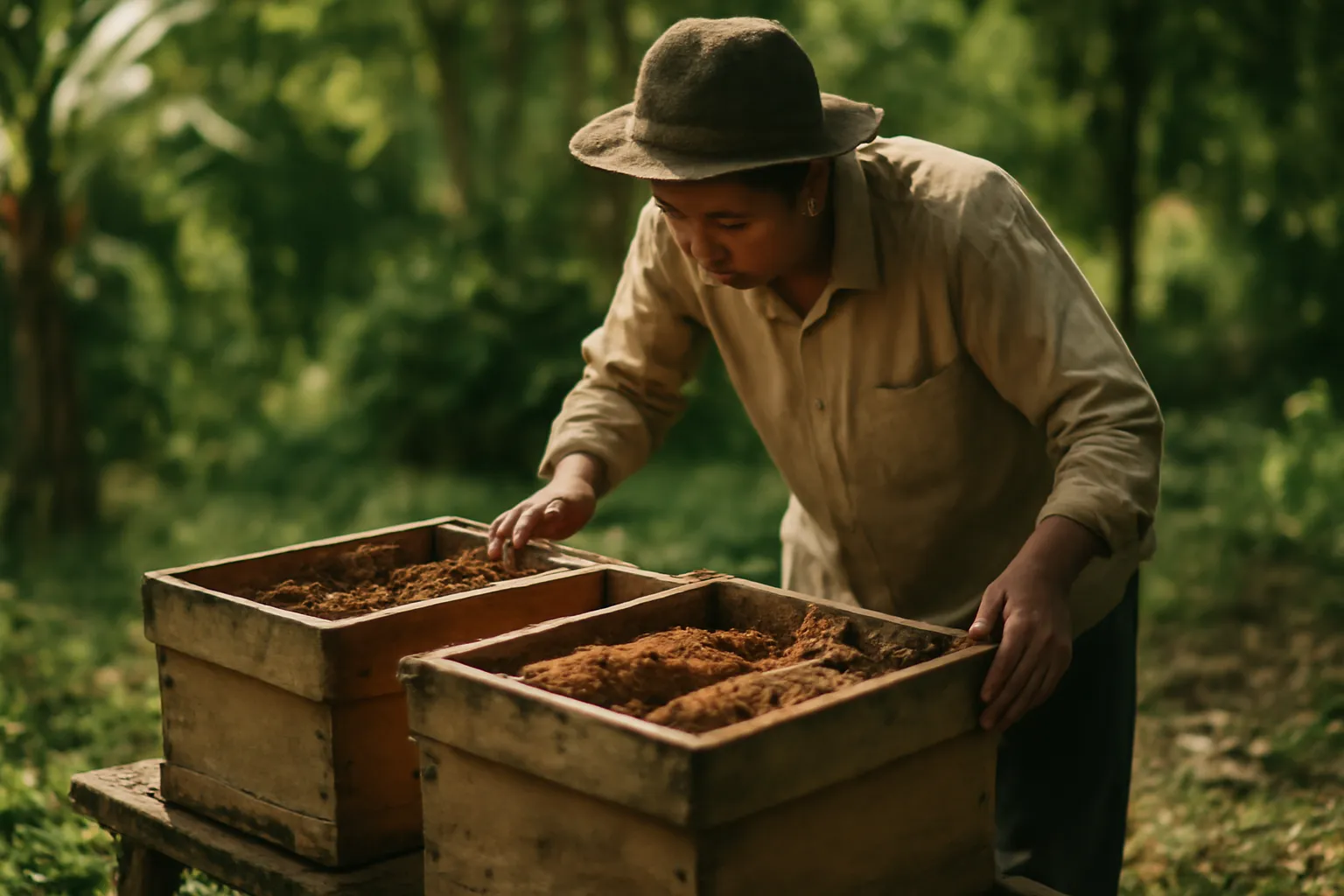
When to split a stingless bee colony and when to wait
Split at the right moment and you get two strong colonies. Split too early and you damage both.
 ›
×
›
×
A single-origin stingless bee honey from our own apiary in Trang Bang, Tay Ninh. Harvested and bottled by batch, traceable to the colony.
Vietnamese stingless bee honey, built for export
© 2026 Aron Bee. All rights reserved. · Copyright · OD-1C4F-F69A