
Six marketing claims about stingless bee honey to walk past
Stingless bee honey is scarce and expensive, which attracts exactly the kind of seller a buyer needs to avoid. None of these six signals proves dishonesty, but each is a reason to stop and ask more before transferring money.
1. Claims that it cures something
Stingless bee honey is a food. Anyone telling you it treats diabetes, cancer or chronic stomach disease is saying something they are not allowed to say — and a seller willing to cross that line is usually relaxed about other lines too.
2. Wild forest honey
Nearly all stingless bee honey on the market comes from colonies kept in wooden boxes, not from forests. The phrase sounds untamed but it usually just tells a story. The question worth asking is not forest or garden, but where the apiary sits and whether anything nearby is sprayed.
3. A price that seems unusually low
A strong colony yields a few hundred millilitres per harvest, a couple of harvests a year. Do that multiplication and the low ceiling becomes obvious. Stingless bee honey priced like ordinary honey is either not stingless bee honey, or has been diluted with it.
4. Always in stock, any quantity
Real farms have seasons. Some months they have nothing and have to ask buyers to wait. A seller with unlimited stock all year is aggregating from many sources — and once honey is aggregated, nobody can trace it, including them.
5. Only product photos, never the apiary
Attractive jar photos are easy to produce and easy to copy. Photos and video at the apiary — real boxes, real people, the surrounding trees — are much harder to fabricate. Anyone who actually keeps bees has this material because it is their daily life.
6. Cannot answer a simple technical question
Try asking how many colonies they keep, which season yields most, what they use against ants. A keeper answers fluently and usually adds more. A reseller redirects to benefits and discounts.
Frequently asked
Is buying on a marketplace platform safer?
Safer for payment and returns, but the platform cannot verify whether honey is genuine. Prefer a farm's own storefront with apiary photos and a phone number that gets answered.
What is a reasonable price?
It varies by size and season, but per litre it is several times ordinary honey. Ask the farm directly, since it moves with each harvest.
Is there any paperwork that proves authenticity?
A laboratory test result and a traceable batch code are worth asking for. Neither is absolute, but both indicate a producer with a system, and systems are harder to fake.
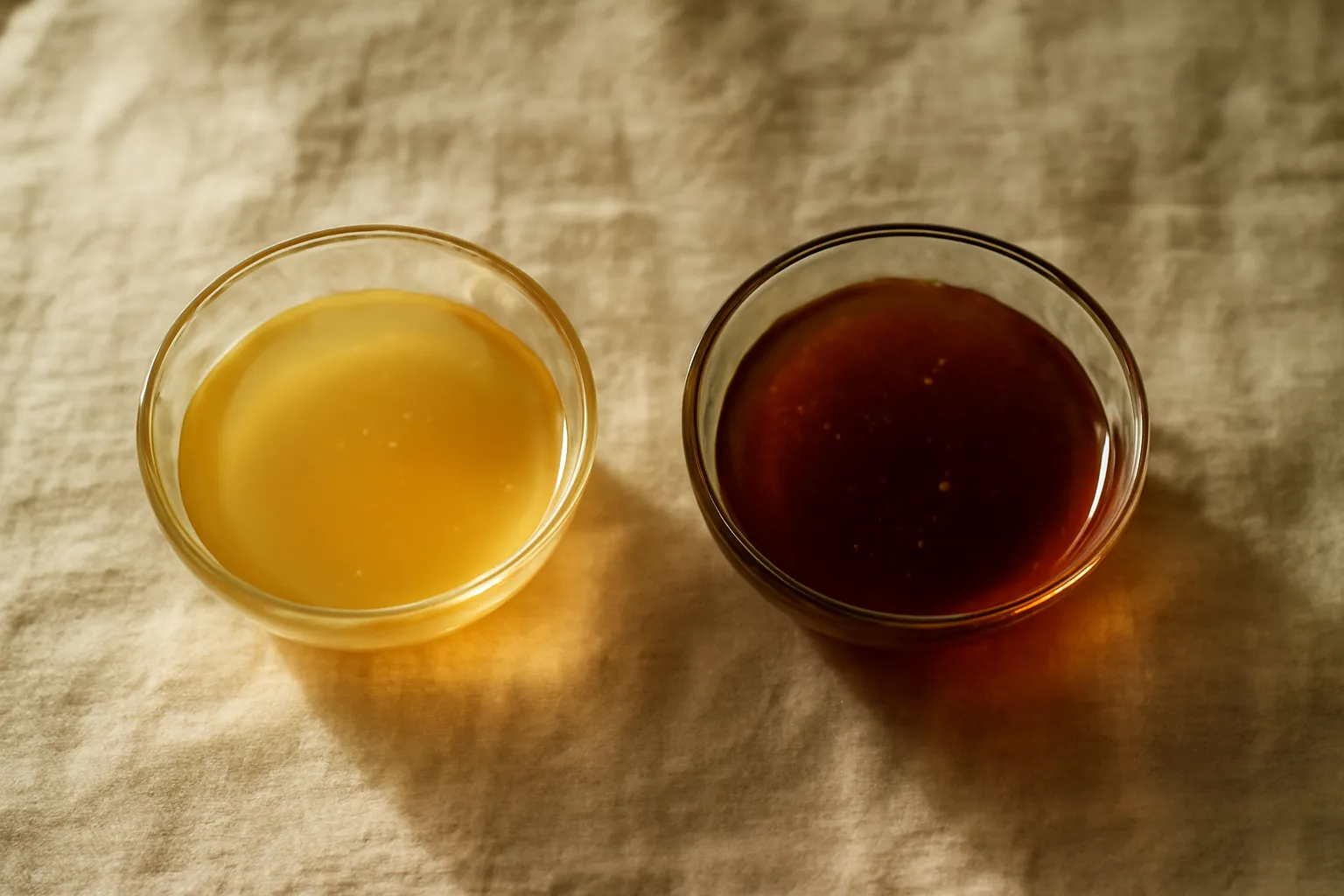
Stingless bee honey compared with ordinary honey: six real differences
Not a question of which is better, but of two products that differ in structure, yield, flavour and best use.
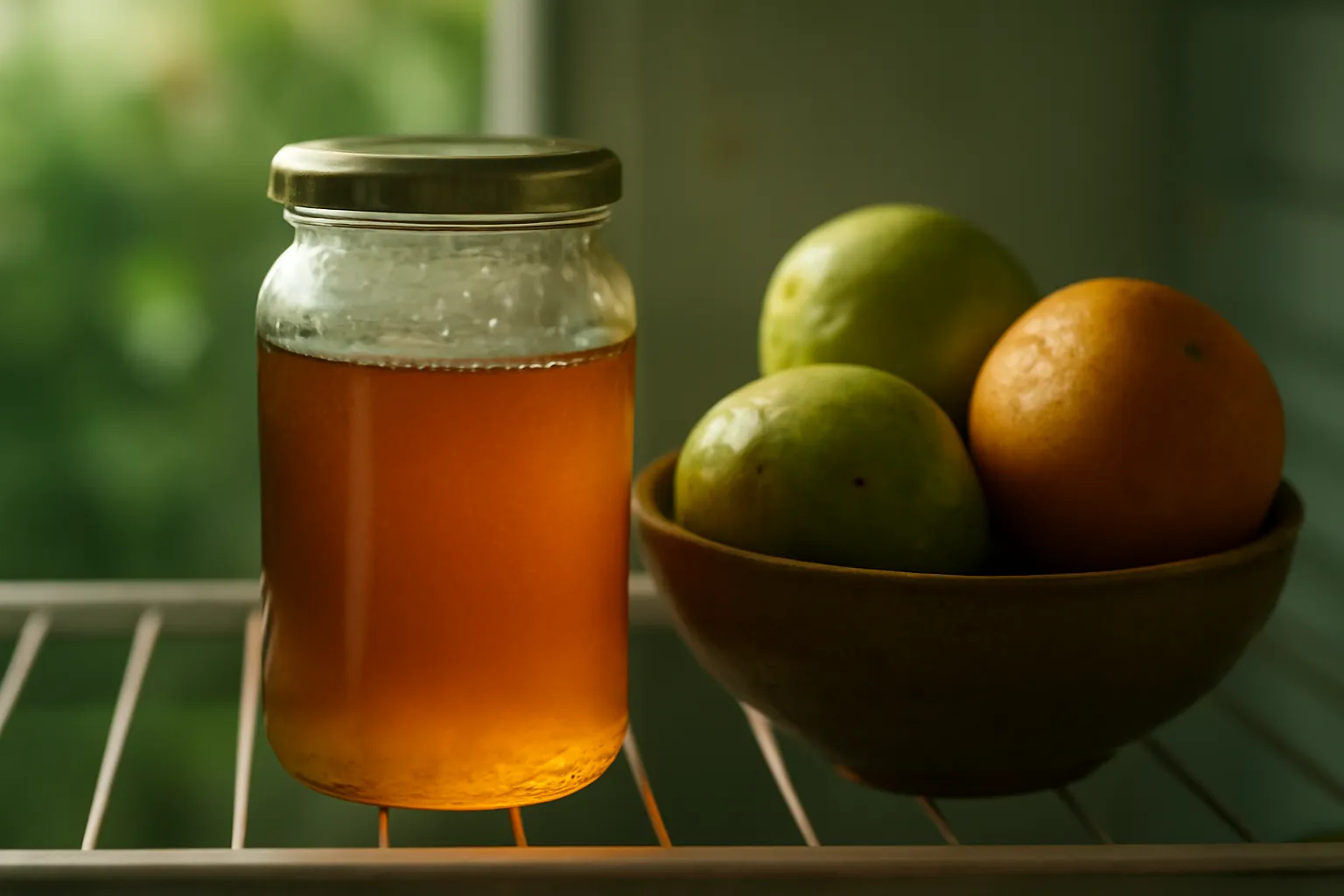
Foam in the jar: when it is normal and when to throw it out
Foam in stingless bee honey has three different causes, and only one of them means the jar has to go.
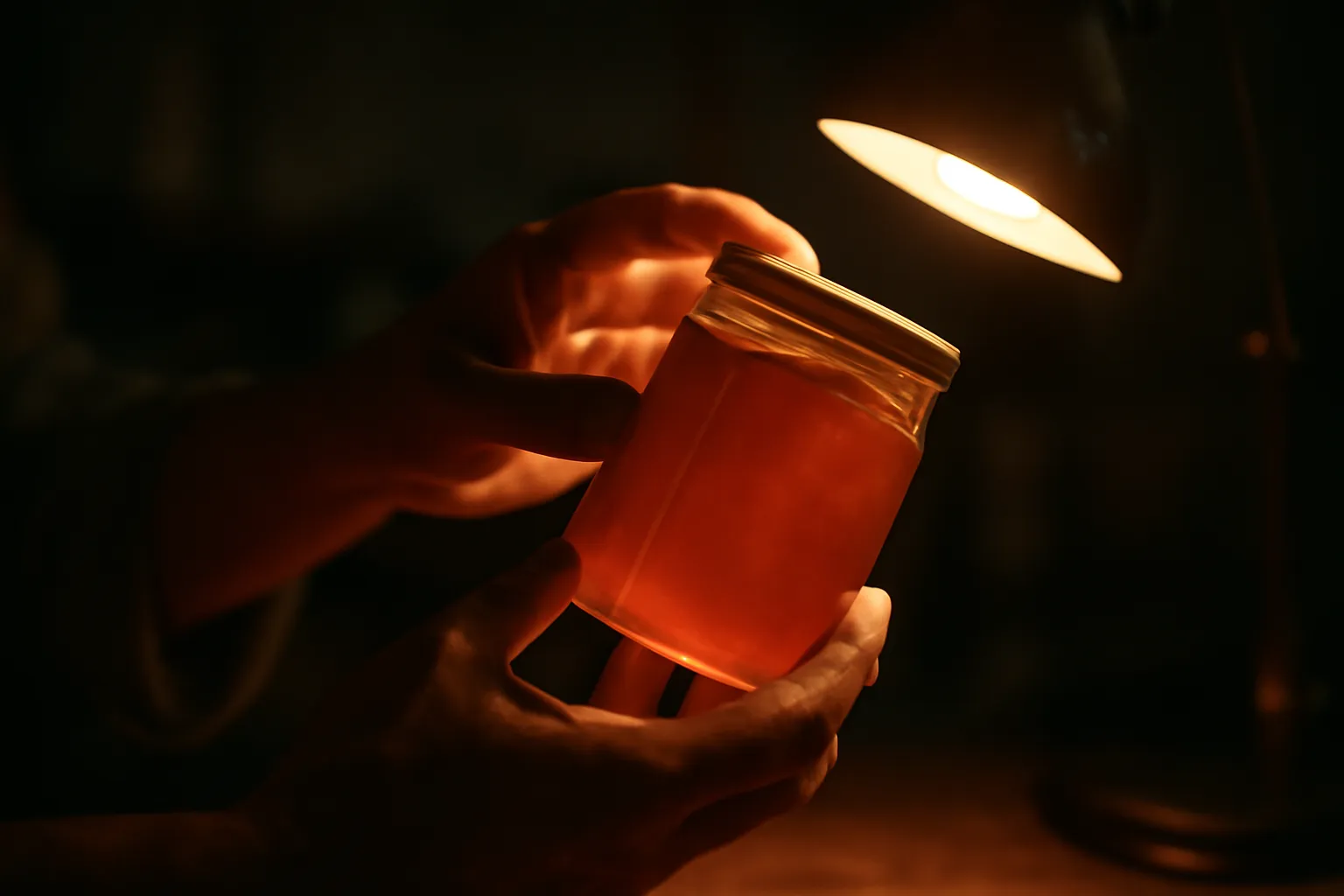
Reading the label on a jar of stingless bee honey
Some lines on a label are required, some say a great deal, and some are only decoration. How to tell them apart.
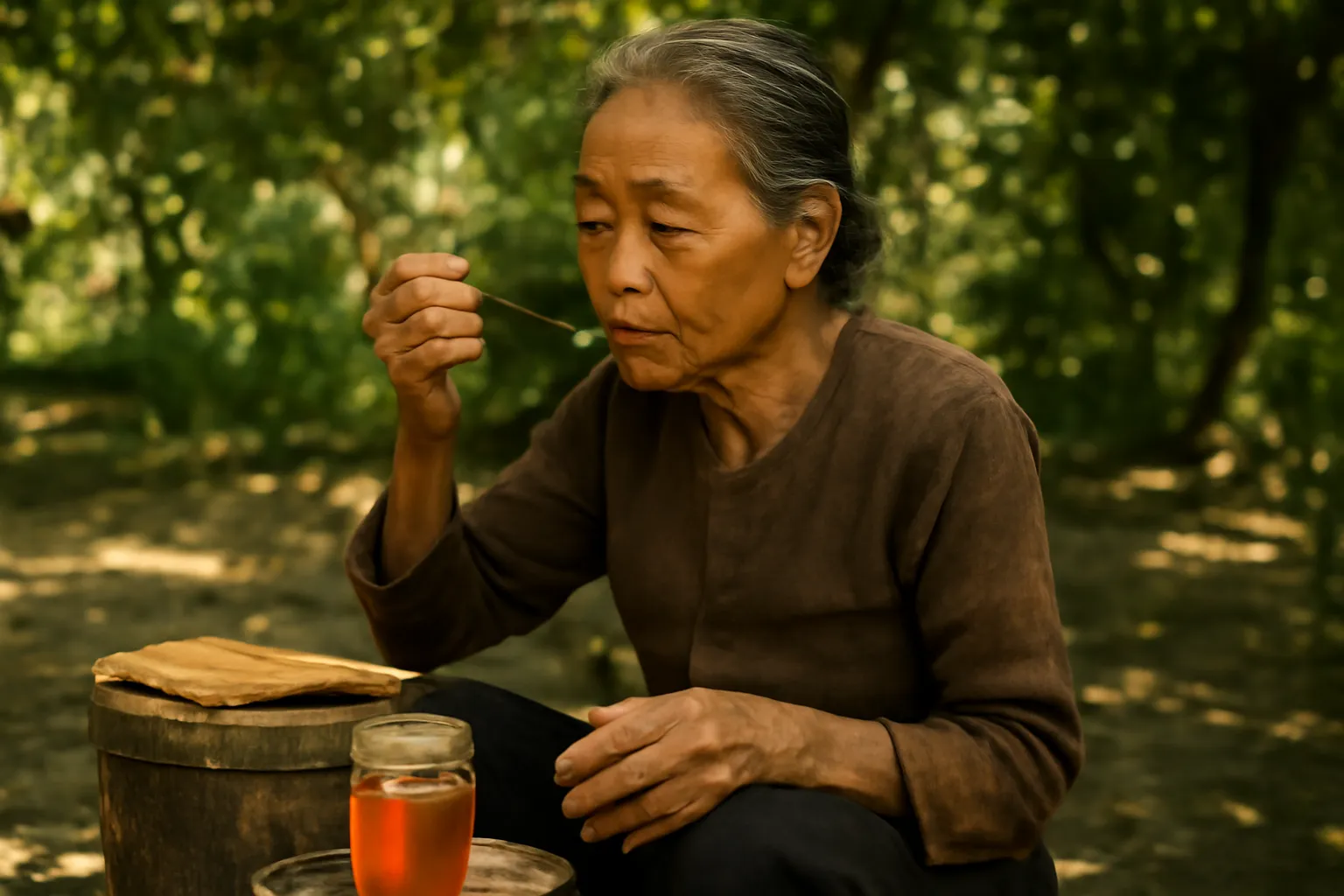
Where the tartness comes from, and why it cannot be faked
The sour finish is the fingerprint of real stingless bee honey. How it forms, and how to tell it from fermentation.
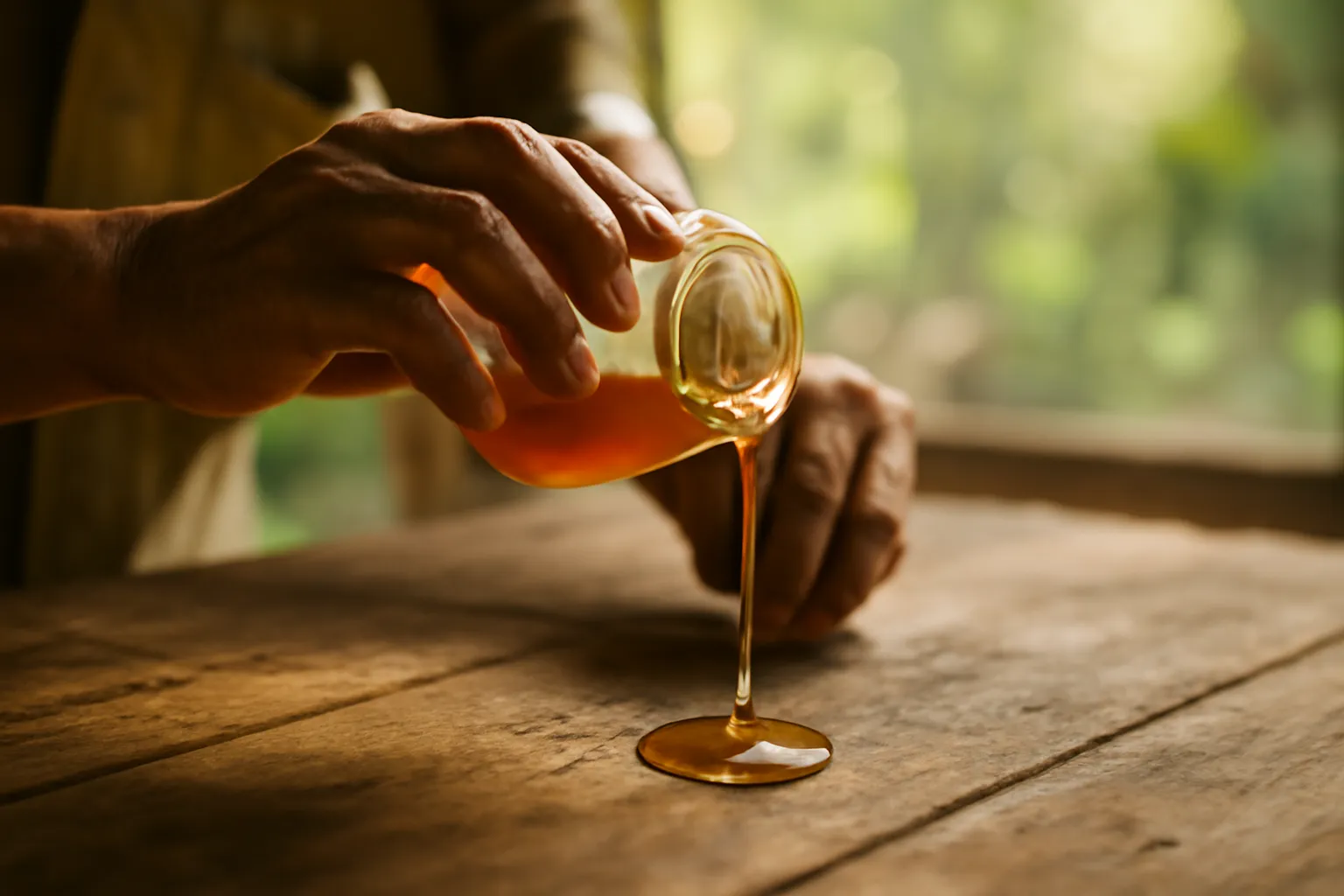
Real stingless bee honey is runny — that is not a sign of dilution
The most common complaint about this honey is also the most common misunderstanding. What thin actually means.
 ›
×
›
×
A single-origin stingless bee honey from our own apiary in Trang Bang, Tay Ninh. Harvested and bottled by batch, traceable to the colony.
Vietnamese stingless bee honey, built for export
© 2026 Aron Bee. All rights reserved. · Copyright · OD-1C4F-F69A