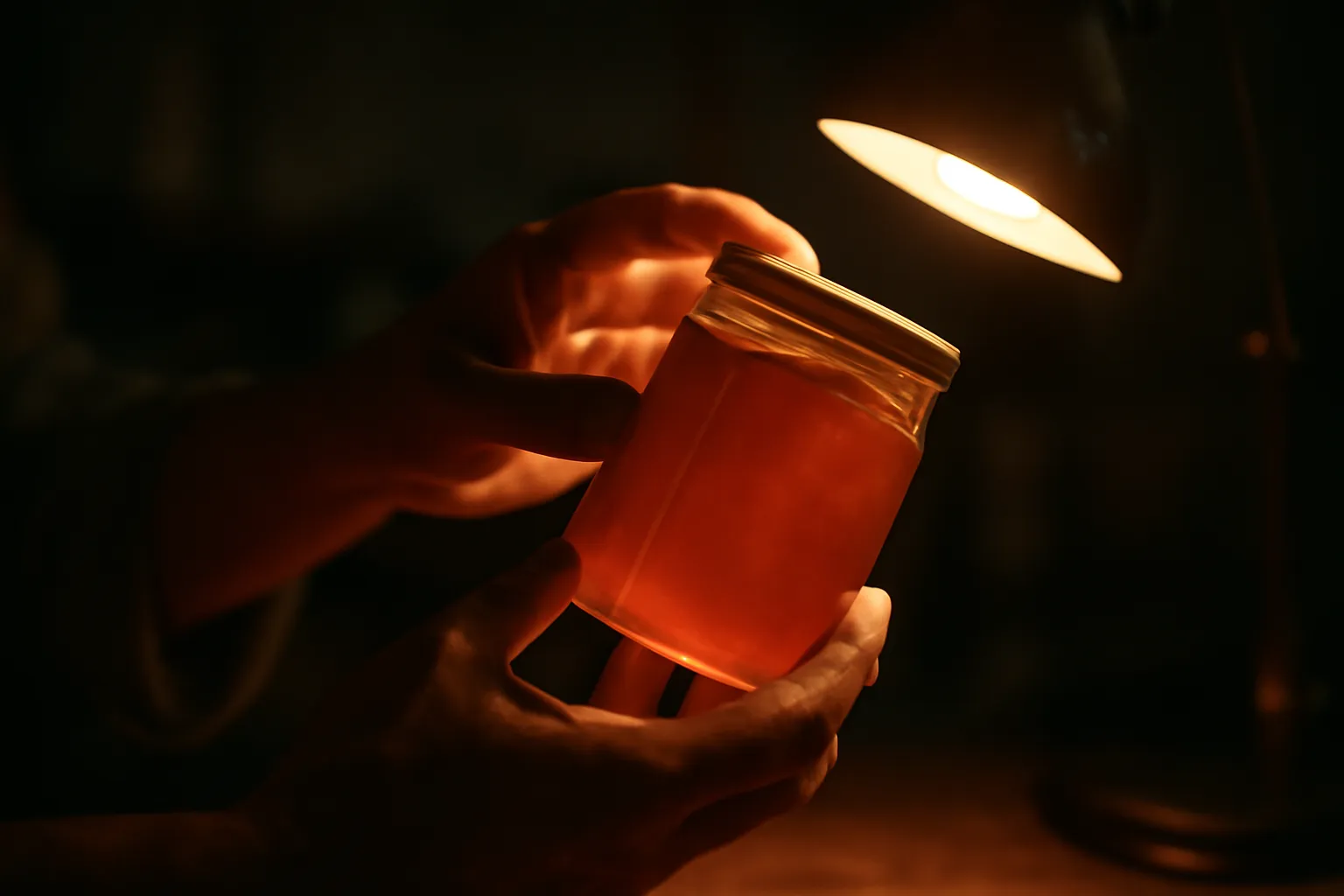
Reading the label on a jar of stingless bee honey
The label is the only thing a buyer holds before opening the jar. Most of its area goes to artwork and slogans, while the real information sits in a few small lines. Knowing which lines matter saves a lot of disappointment.
Three things that must be there
The product name and what it actually is, the volume or net weight, and the details of the responsible business. Missing any of these means the product does not meet basic requirements for sale, before quality is even discussed. There must also be a production or best-before date — a jar with no date is a jar nobody stands behind.
Batch code: the least noticed line that says the most
A batch code means the packer can distinguish this run from any other. For stingless bee honey, that code should tie back to specific colonies and a harvest date. If something goes wrong, a batch code allows recalling only what needs recalling. It is the sign of a producer with a system, and the foundation of any OCOP file or export dossier.
Lines that are decoration
Natural, pure, traditional, premium — none has a verifiable definition. They are not dishonest, but they carry no information. Do not let them stand in for a batch code and a packing date in your decision.
Volume and weight are not the same
Honey is heavier than water. A 500 ml jar weighs roughly 700 g. A seller who writes 500 g and lets buyers read it as 500 ml is delivering about thirty percent less. Check the unit before comparing prices between two sellers.
Imported jars
Honey imported from Malaysia or Australia should carry a local-language supplementary label. A jar with only foreign text and no such label is informal import — nobody in the country of sale is responsible if something goes wrong.
Frequently asked
How long is the usual shelf life?
Commonly twelve months from packing. Stingless bee honey holds more moisture than ordinary honey, so it does not sit as long, and it should be used within a few months of opening.
Should I avoid jars without a batch code?
Not necessarily a bad product, but it is a producer without a traceability system. For something this expensive, prefer one that has it.
Why do two jars with the same label differ in colour?
Different harvests and different flowering seasons. That is normal and a sign the honey has not been blended for uniformity.
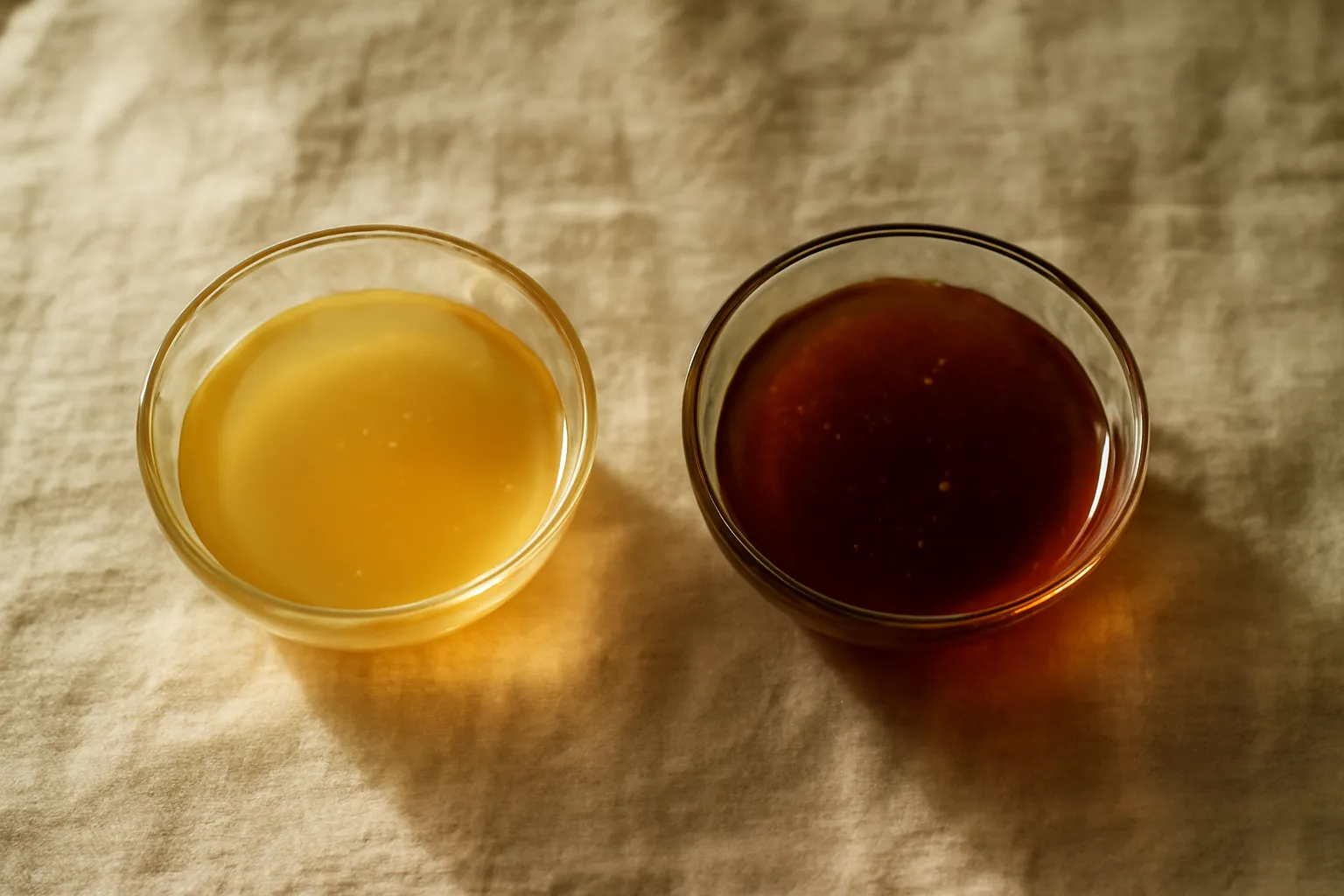
Stingless bee honey compared with ordinary honey: six real differences
Not a question of which is better, but of two products that differ in structure, yield, flavour and best use.
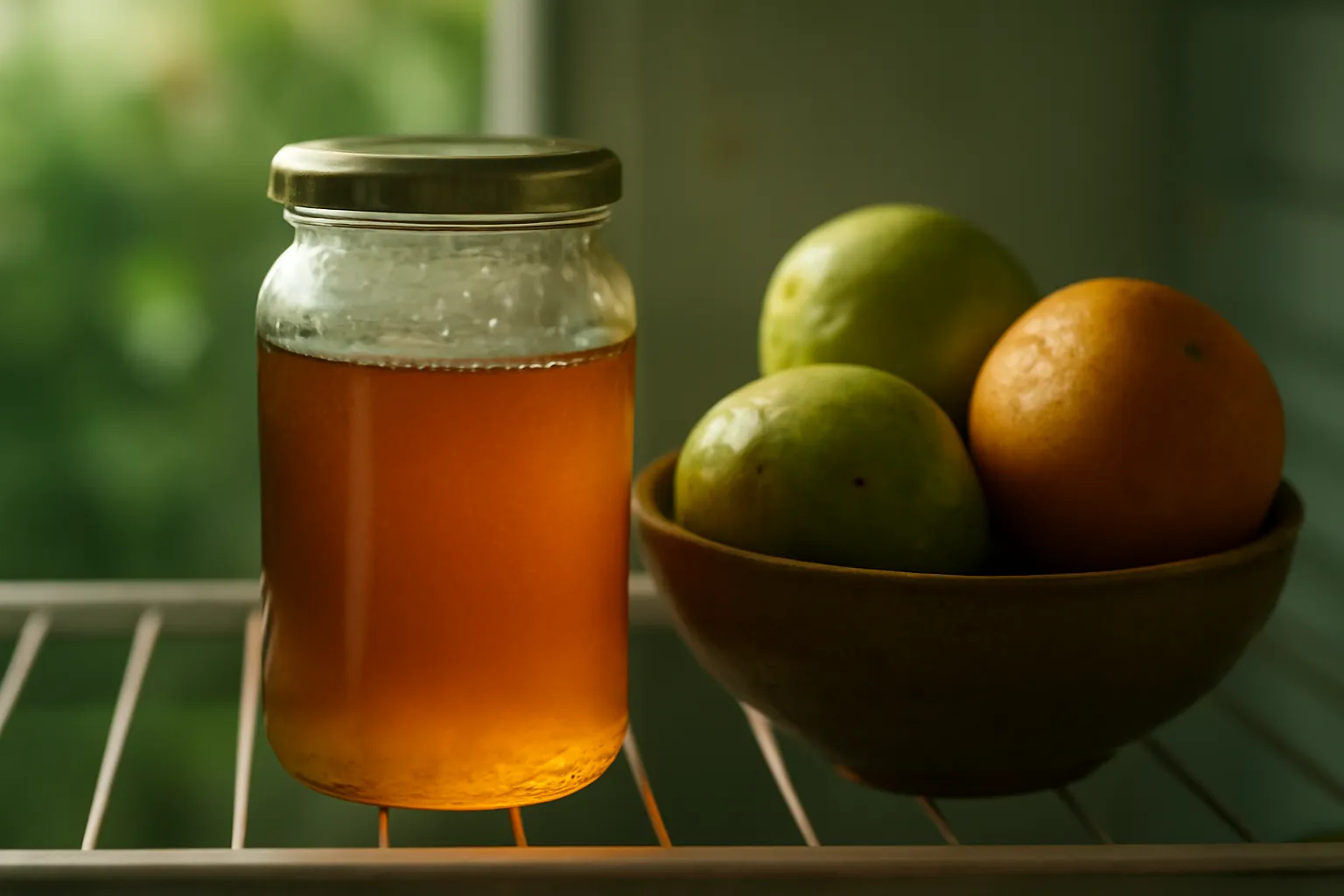
Foam in the jar: when it is normal and when to throw it out
Foam in stingless bee honey has three different causes, and only one of them means the jar has to go.

Six marketing claims about stingless bee honey to walk past
Cures, wild forest honey, surprisingly low prices — six signals that a seller is selling a story rather than honey.
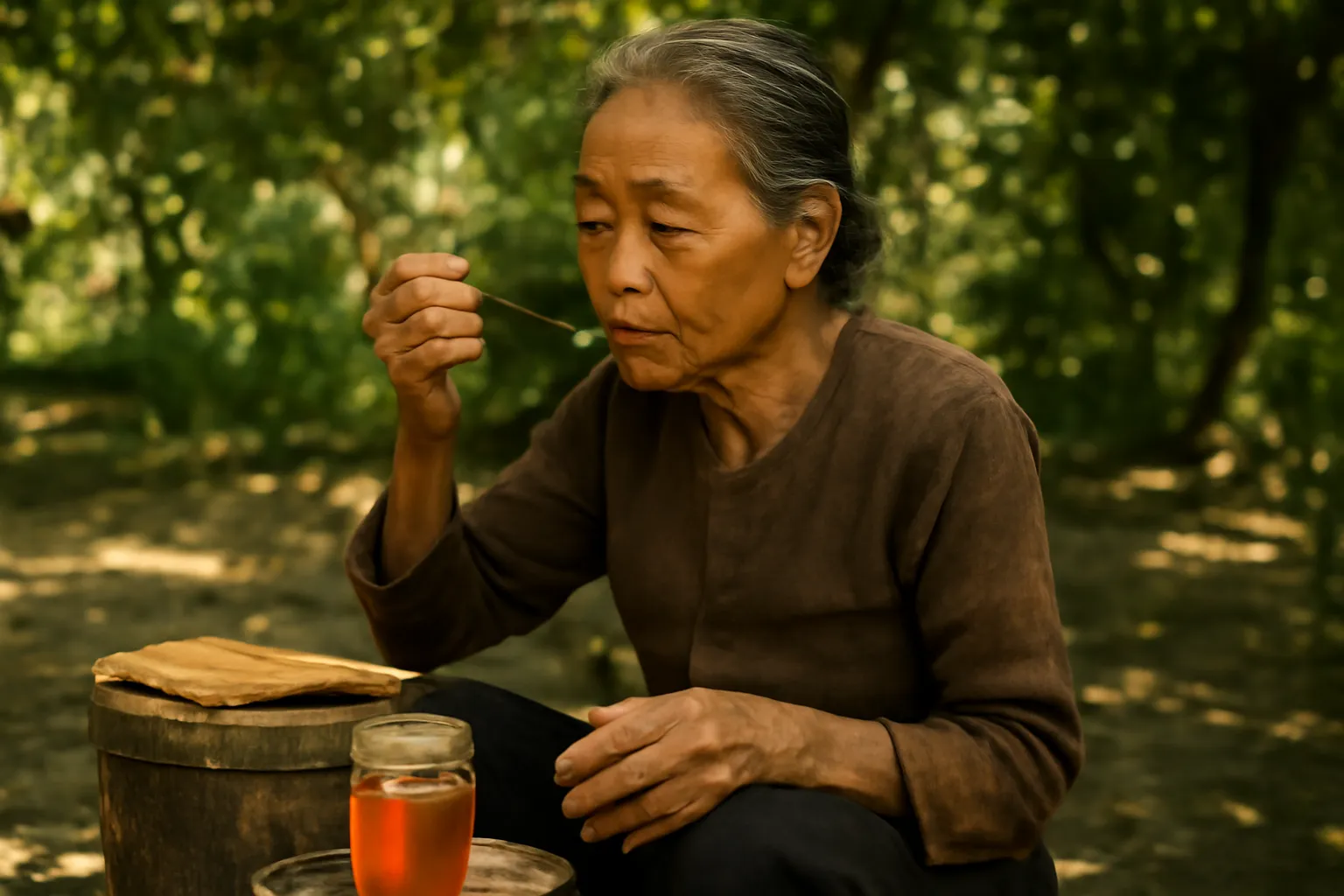
Where the tartness comes from, and why it cannot be faked
The sour finish is the fingerprint of real stingless bee honey. How it forms, and how to tell it from fermentation.
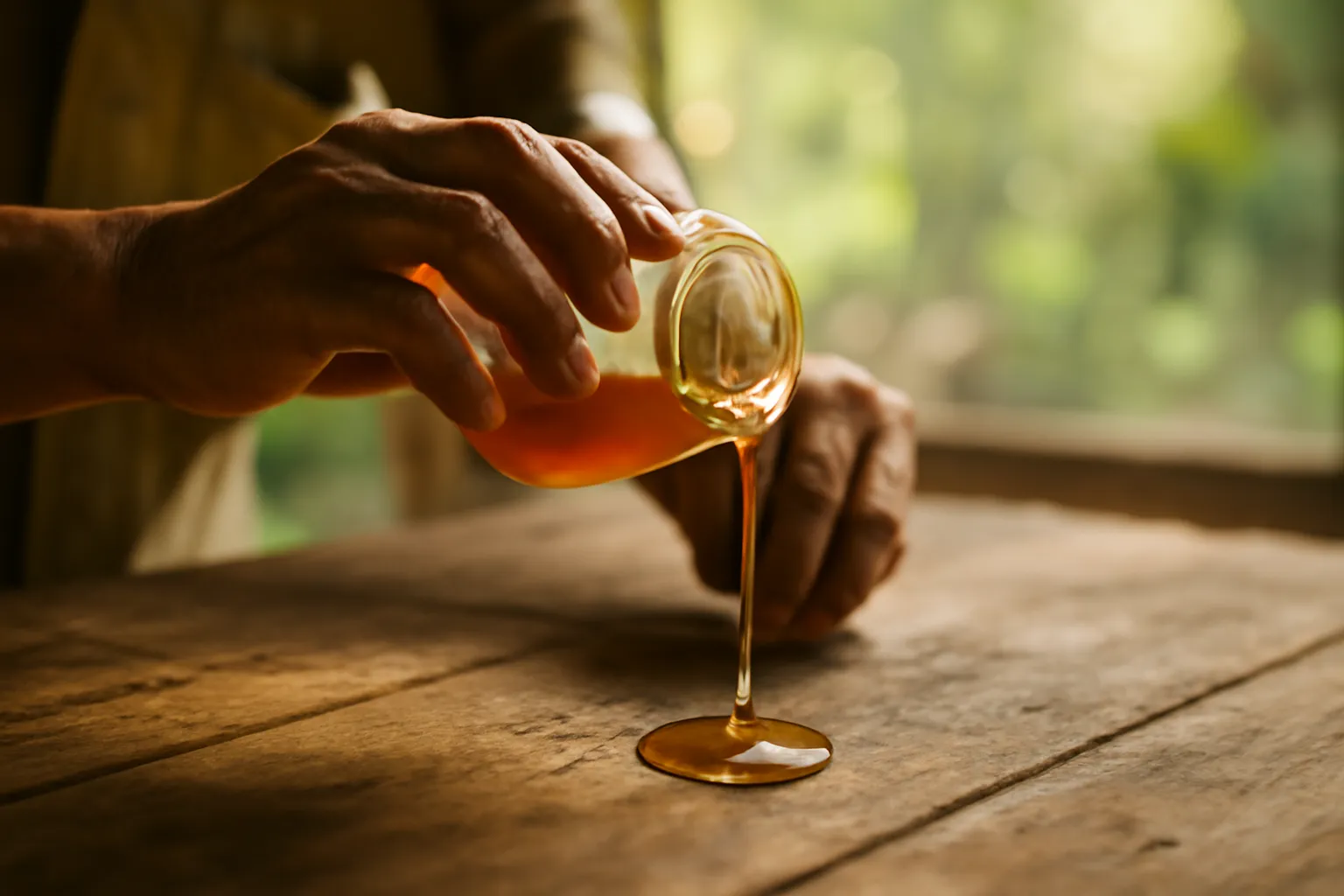
Real stingless bee honey is runny — that is not a sign of dilution
The most common complaint about this honey is also the most common misunderstanding. What thin actually means.
 ›
×
›
×
A single-origin stingless bee honey from our own apiary in Trang Bang, Tay Ninh. Harvested and bottled by batch, traceable to the colony.
Vietnamese stingless bee honey, built for export
© 2026 Aron Bee. All rights reserved. · Copyright · OD-1C4F-F69A