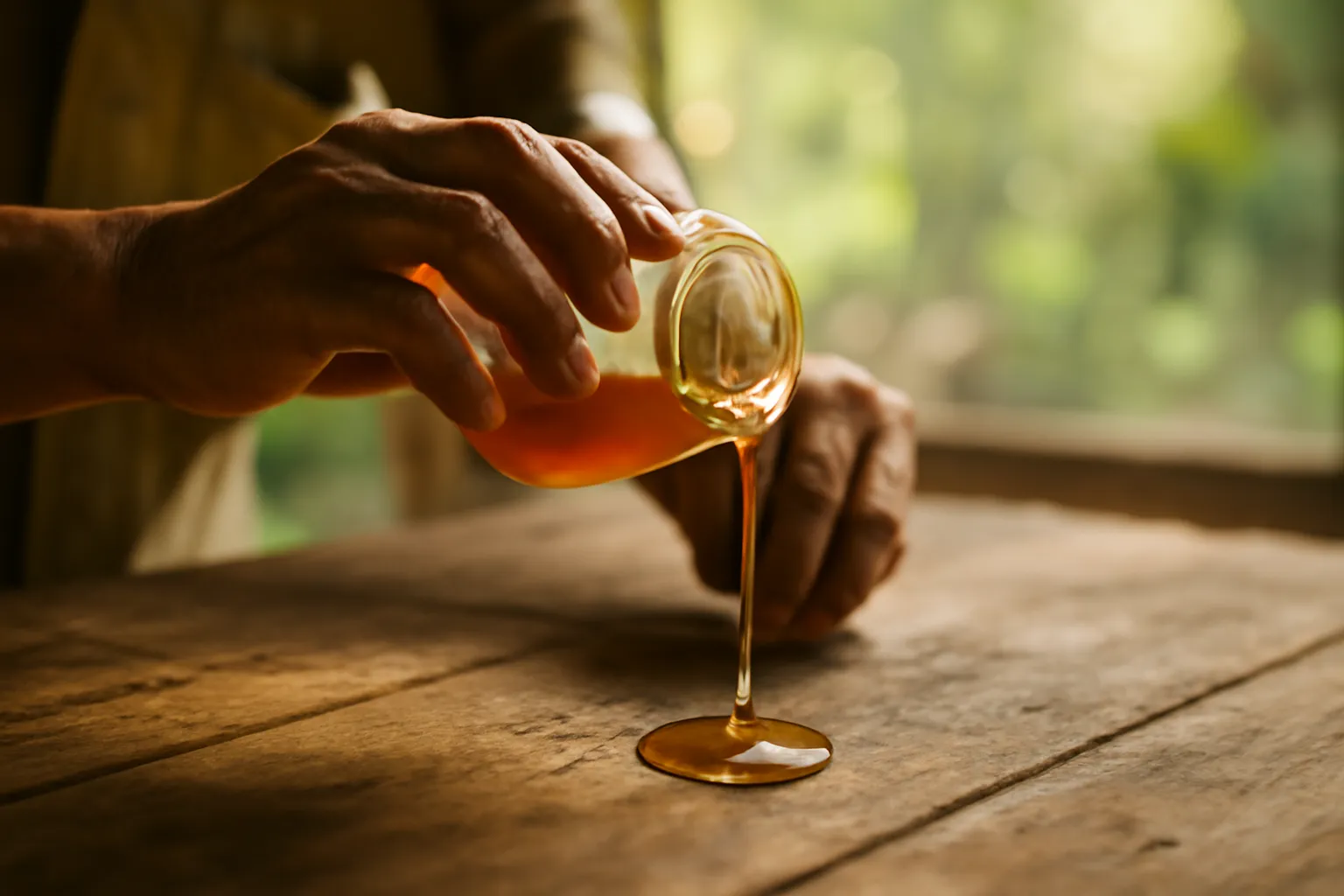
Real stingless bee honey is runny — that is not a sign of dilution
The complaint we hear most often is not about price. It is that the honey runs like thin syrup. That misunderstanding is expensive, because it makes people return real honey and keep the adulterated kind.
Stingless bees do not ripen honey the way honey bees do
Honey bees fan their combs until moisture drops below about twenty percent, then cap the cells with wax. Stingless bees do something different: they store honey in separate wax pots blended with plant resin, without that long drying stage. The result typically sits at twenty-five to thirty percent water, clearly higher than ordinary honey. Thin is the biology of the species, not the ethics of the seller.
The jar to be suspicious of is the thick one
If a jar of stingless bee honey pours like longan honey, there are two possibilities. Either it has been reduced with heat or a dehumidifier — in which case most of the enzymes and activity that make it valuable are gone. Or it is not stingless bee honey. Neither is a reason to buy.
Thin does not mean it spoils immediately
Higher moisture does make it more prone to fermenting than ordinary honey. But the plant resin the bees mix into their wax is naturally antimicrobial and keeps the honey stable for months if it is stored properly: sealed, cool, and never touched with a wet spoon. The risk lies in handling, not in consistency.
Three kitchen tests that do not work here
Dropping honey on paper, into water, or holding a flame to it — all three measure viscosity, and stingless bee honey is naturally low in viscosity. Every one of them will tell you real honey is fake. They are not applicable to this honey. Smell and taste are far more useful: real stingless bee honey is lightly aromatic with a clear tart finish, and that tartness cannot be reproduced with sugar.
The only reliable check is the source
No kitchen test replaces knowing where the honey came from. Ask three questions: which colonies, which harvest date, is there a batch code. A real keeper answers all three in seconds. A reseller can only talk about health benefits and price.
Frequently asked
Could thin honey mean water was added?
Honey with added water ferments very fast, foams strongly and smells sharply sour within weeks. Real stingless bee honey stays stable for months when kept cool.
Should it be refrigerated?
Yes, especially after opening. It thickens when cold and runs again at room temperature — that is normal.
Does it crystallise like ordinary honey?
Very rarely. Hard sugar at the bottom of a jar is a reason to ask questions.
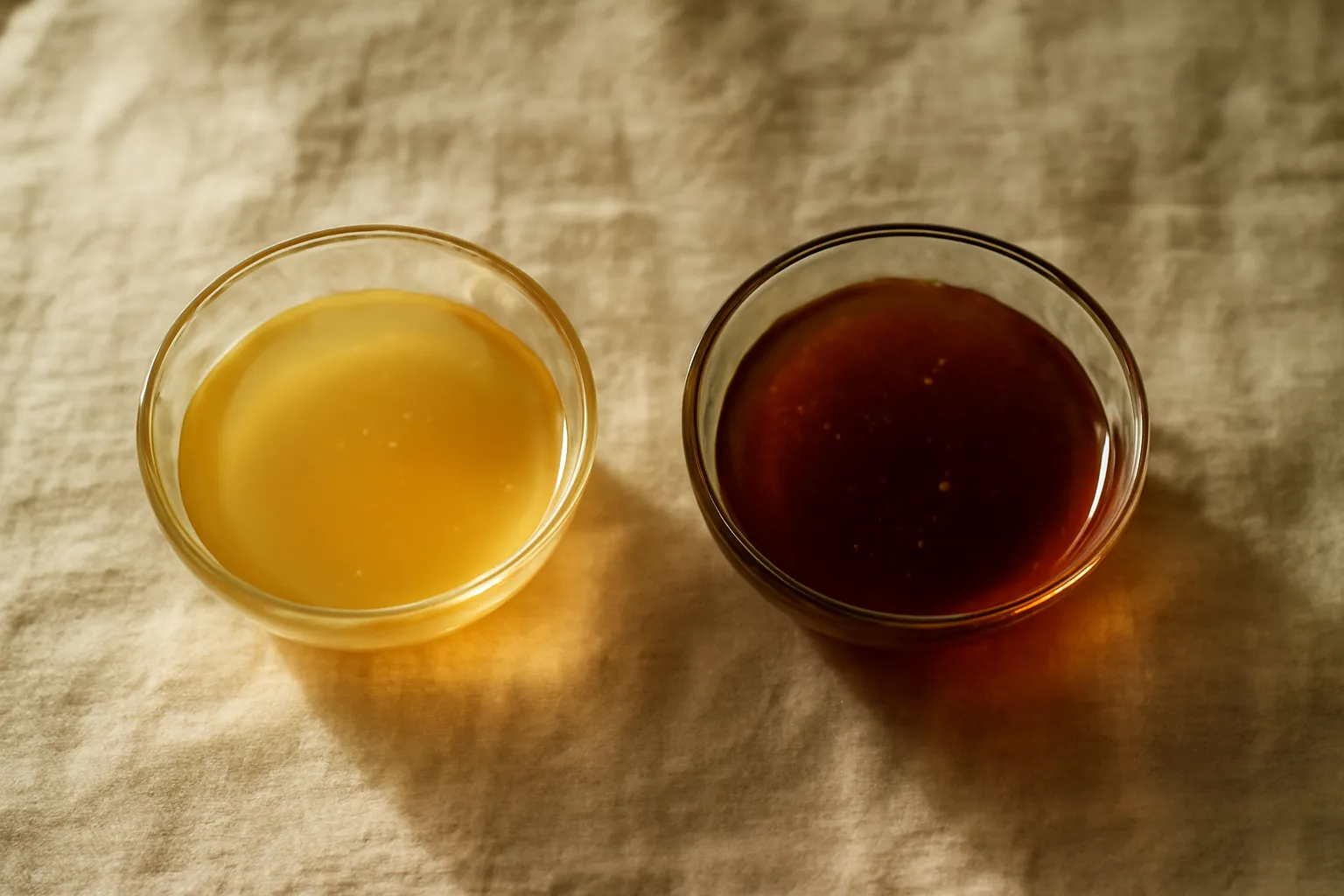
Stingless bee honey compared with ordinary honey: six real differences
Not a question of which is better, but of two products that differ in structure, yield, flavour and best use.
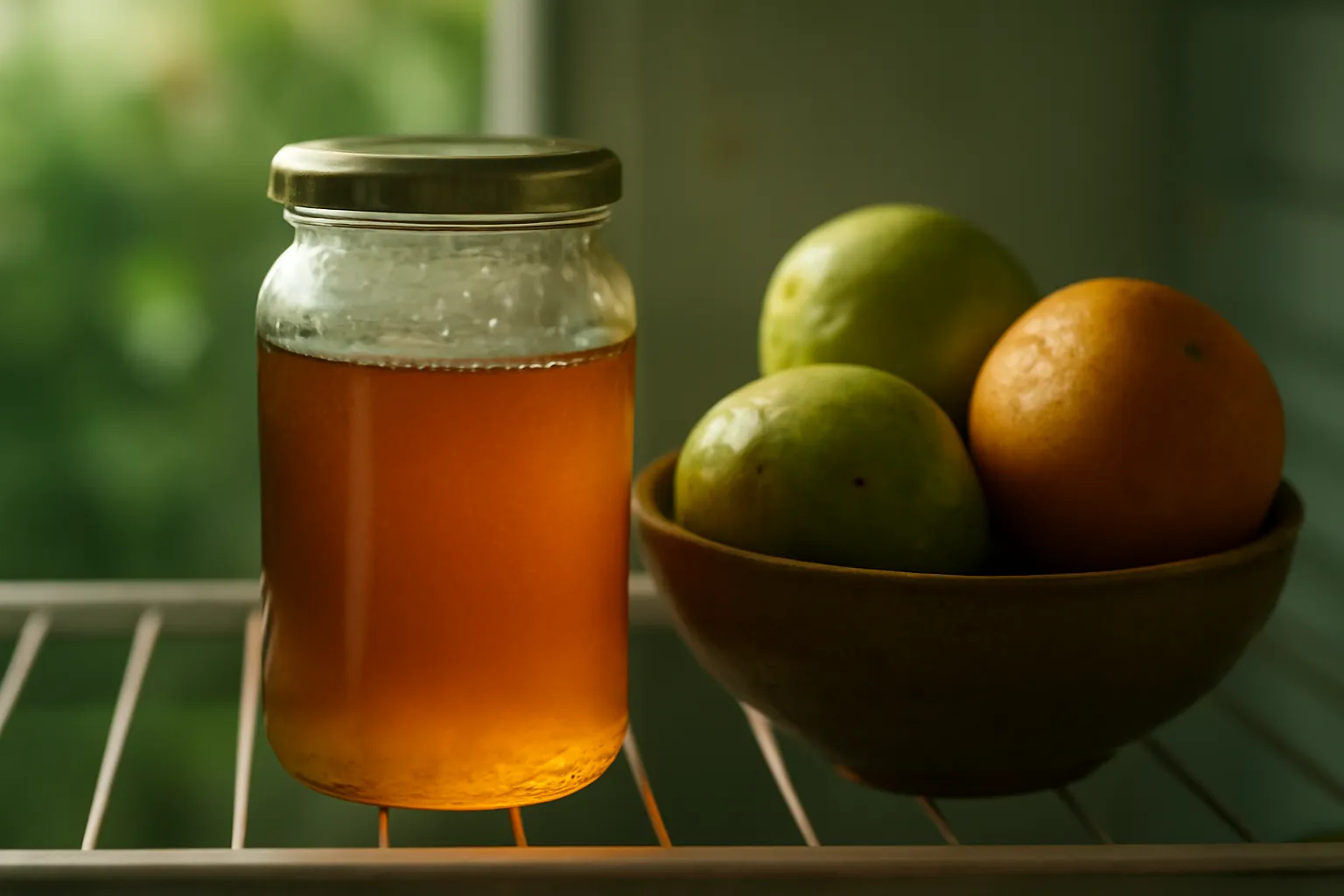
Foam in the jar: when it is normal and when to throw it out
Foam in stingless bee honey has three different causes, and only one of them means the jar has to go.
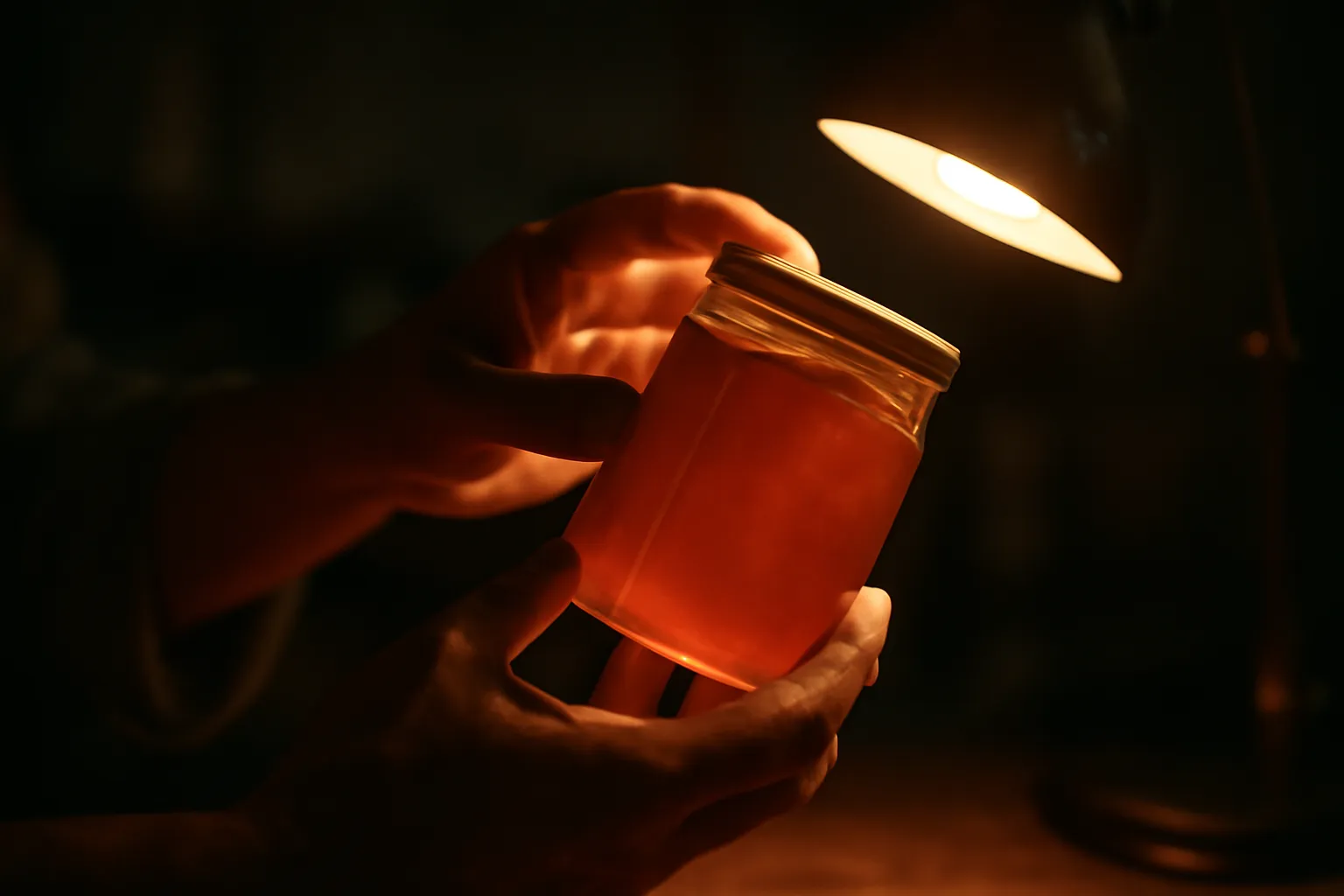
Reading the label on a jar of stingless bee honey
Some lines on a label are required, some say a great deal, and some are only decoration. How to tell them apart.

Six marketing claims about stingless bee honey to walk past
Cures, wild forest honey, surprisingly low prices — six signals that a seller is selling a story rather than honey.

Where the tartness comes from, and why it cannot be faked
The sour finish is the fingerprint of real stingless bee honey. How it forms, and how to tell it from fermentation.
 ›
×
›
×
A single-origin stingless bee honey from our own apiary in Trang Bang, Tay Ninh. Harvested and bottled by batch, traceable to the colony.
Vietnamese stingless bee honey, built for export
© 2026 Aron Bee. All rights reserved. · Copyright · OD-1C4F-F69A