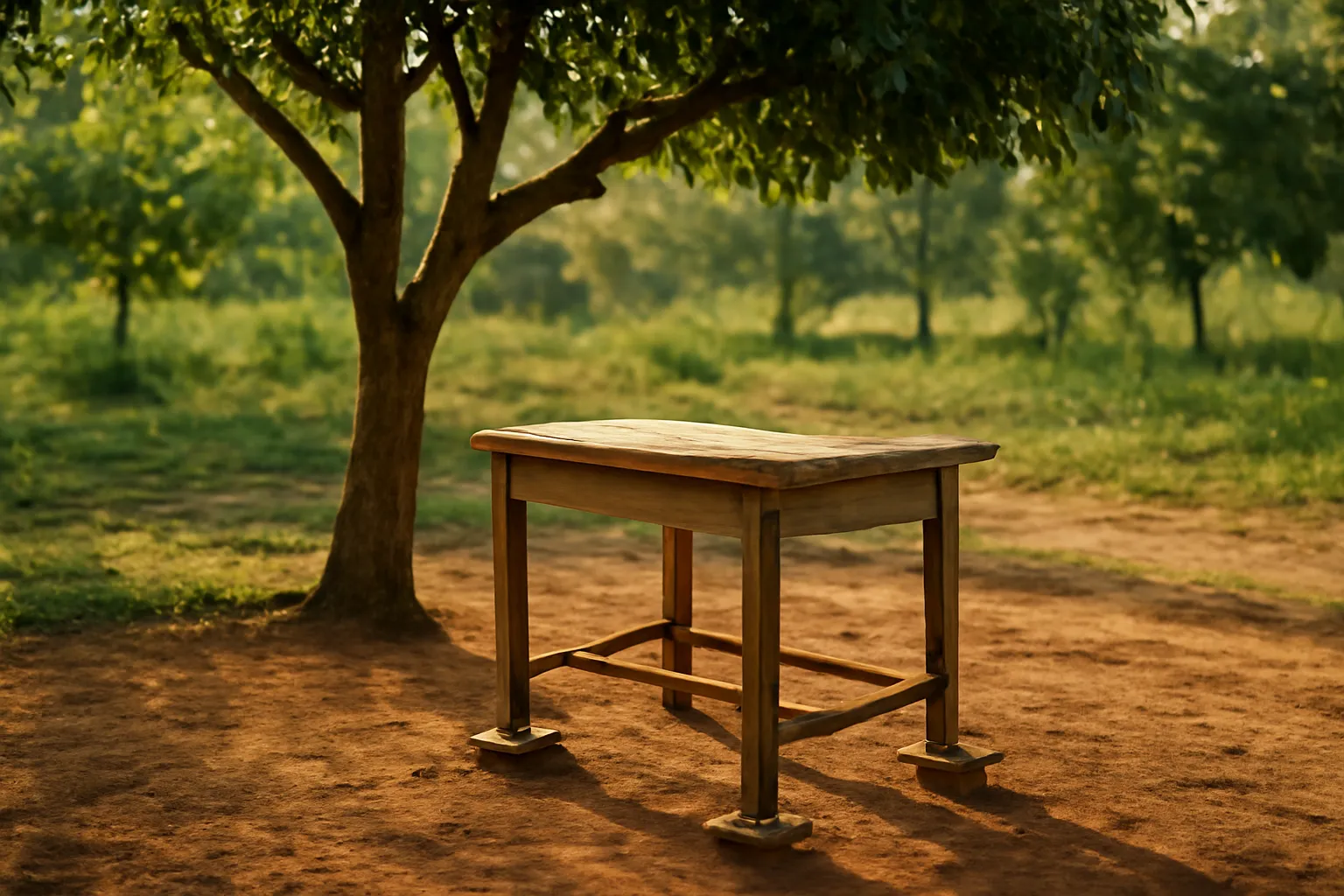
What to prepare before buying your first colony
Most beginners buy the colony first and work out where to put it afterwards. The box gets propped somewhere temporary, and a few months later the colony is gone. The order should be the other way round.
Finish before you pay a deposit
- Choose the site. Shade from ten in the morning until three, no standing water, flowering plants within three hundred metres, and not beside sprayed farmland.
- Ask the neighbours. Does anyone spray insecticide on a schedule? If so, change the site before buying bees.
Finish before the colony arrives
- Stand built. Waist height, four legs standing in water cups or carrying grease bands.
- Roof up. At least ten centimetres above the lid, overhanging the entrance by about twenty.
- Ground cleared. No dry leaves, no tall grass, nothing stacked around the legs — that is where predators hide.
What you do not need to buy
Protective clothing, expensive tools, machinery. Stingless bees do not sting and handling is simple. The only additions needed, and only when harvest time comes, are a clean syringe and a dry glass jar.
Prepare your expectations too
The first year usually yields no honey. It is the year the colony builds and you learn to read an entrance. Beginners who start expecting honey immediately are disappointed, then intervene too much, and lose the colony.
How many to start with
Two. With one you have nothing to compare against when something looks wrong. Three or more is beyond the observation capacity of someone still learning.
Frequently asked
How much time does this take each week?
Very little. A few minutes watching the entrance and checking the water cups. More during the splitting and harvesting seasons, but only for a few days a year.
Is it safe with children around?
Yes — they cannot sting. Still place the box off the daily play route so it is not knocked constantly.
Where should I buy?
From a keeper you can visit, who offers support afterwards. Cheap colonies bought from photographs online are the biggest risk for a beginner.
Stingless bees and the garden: a two-way relationship
People keep them for honey. The garden gets back more than what ends up in the jar.
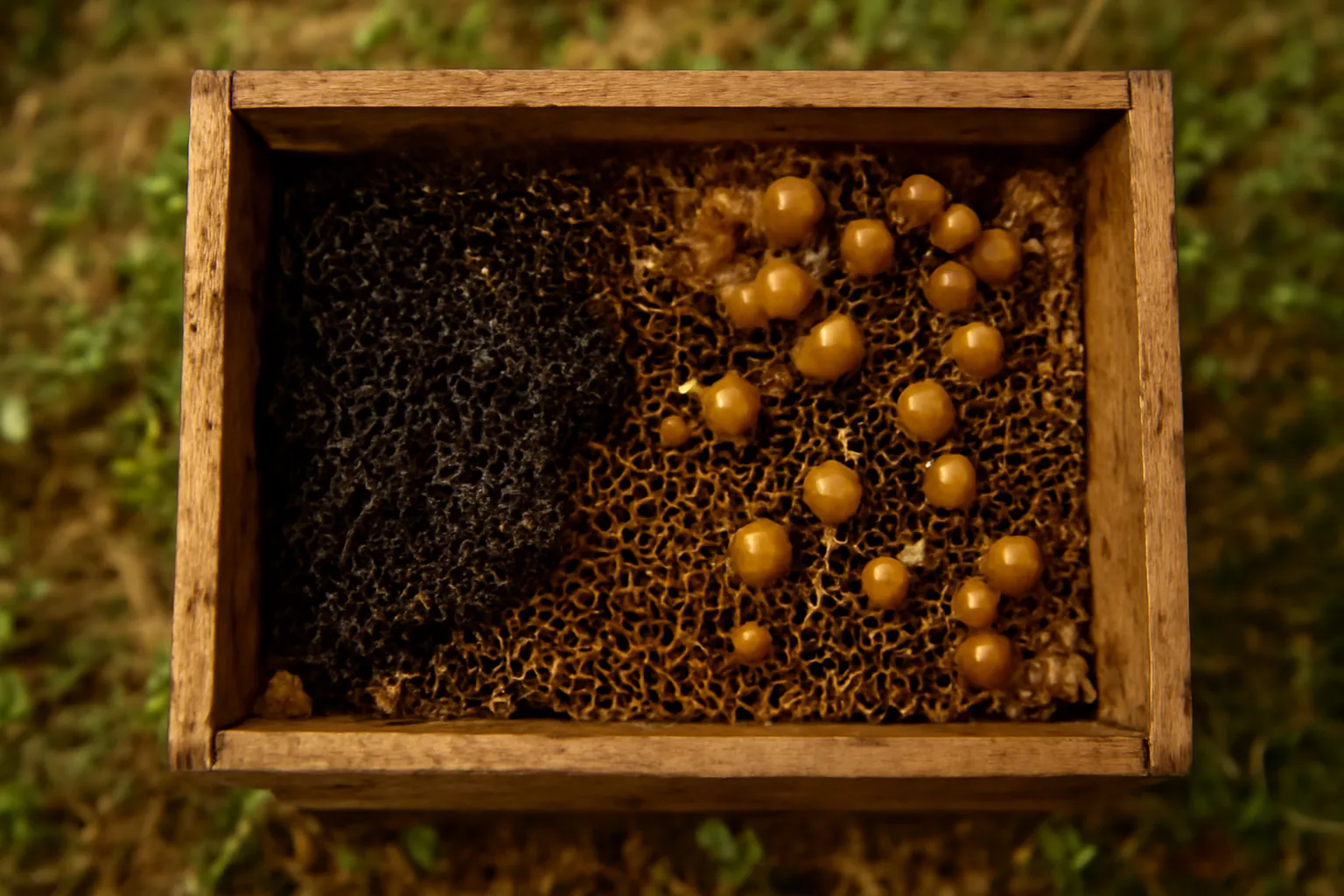
A short glossary for new stingless beekeepers
Twenty terms you will meet when buying a colony or reading a guide, explained in plain language.
Is keeping stingless bees a business? An honest look at the numbers
A straight answer to the question every beginner asks, and a method to work it out for your own situation.
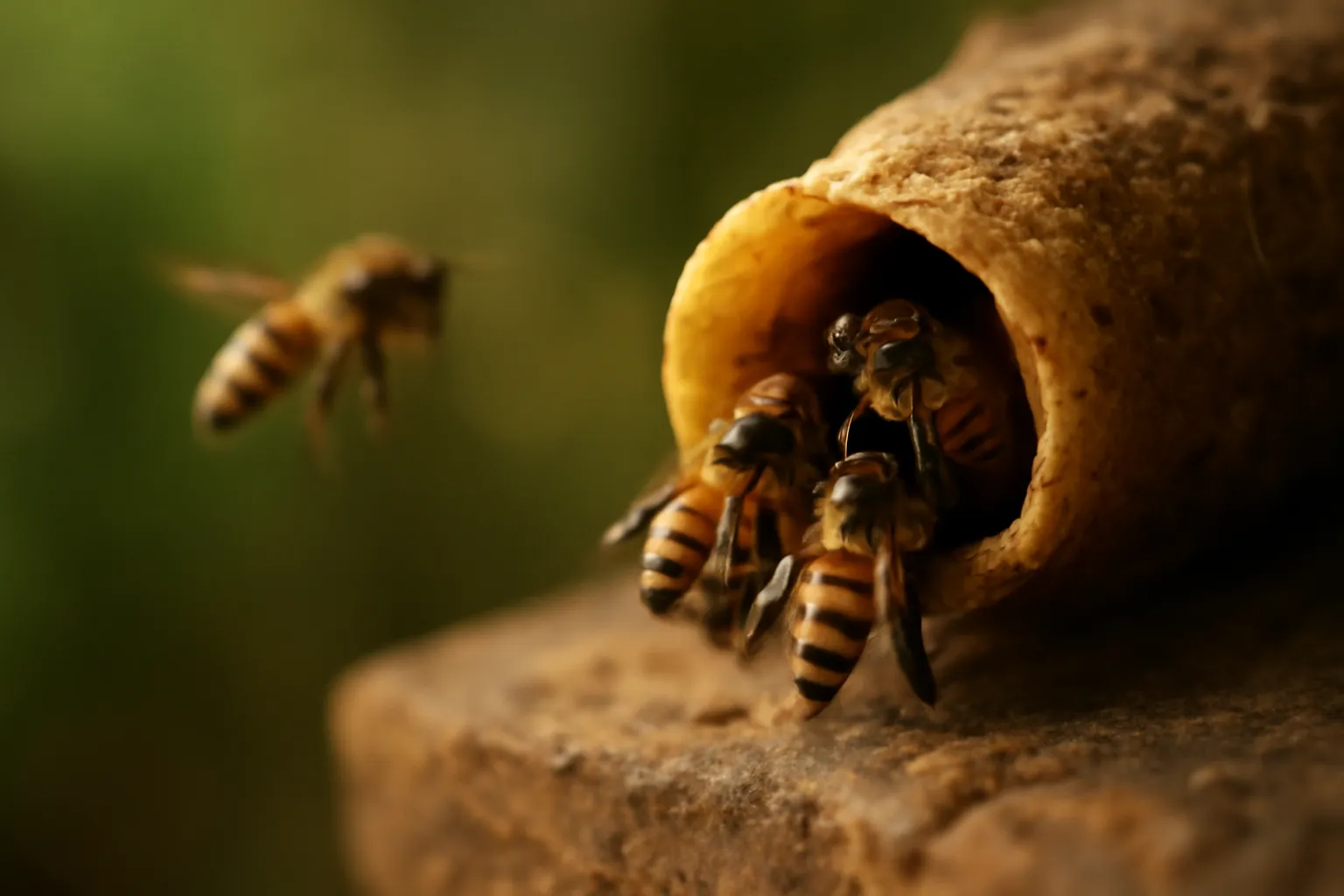
Reading the entrance: ten minutes tells you how the colony is doing
Six things visible from outside the box, and what each of them means.
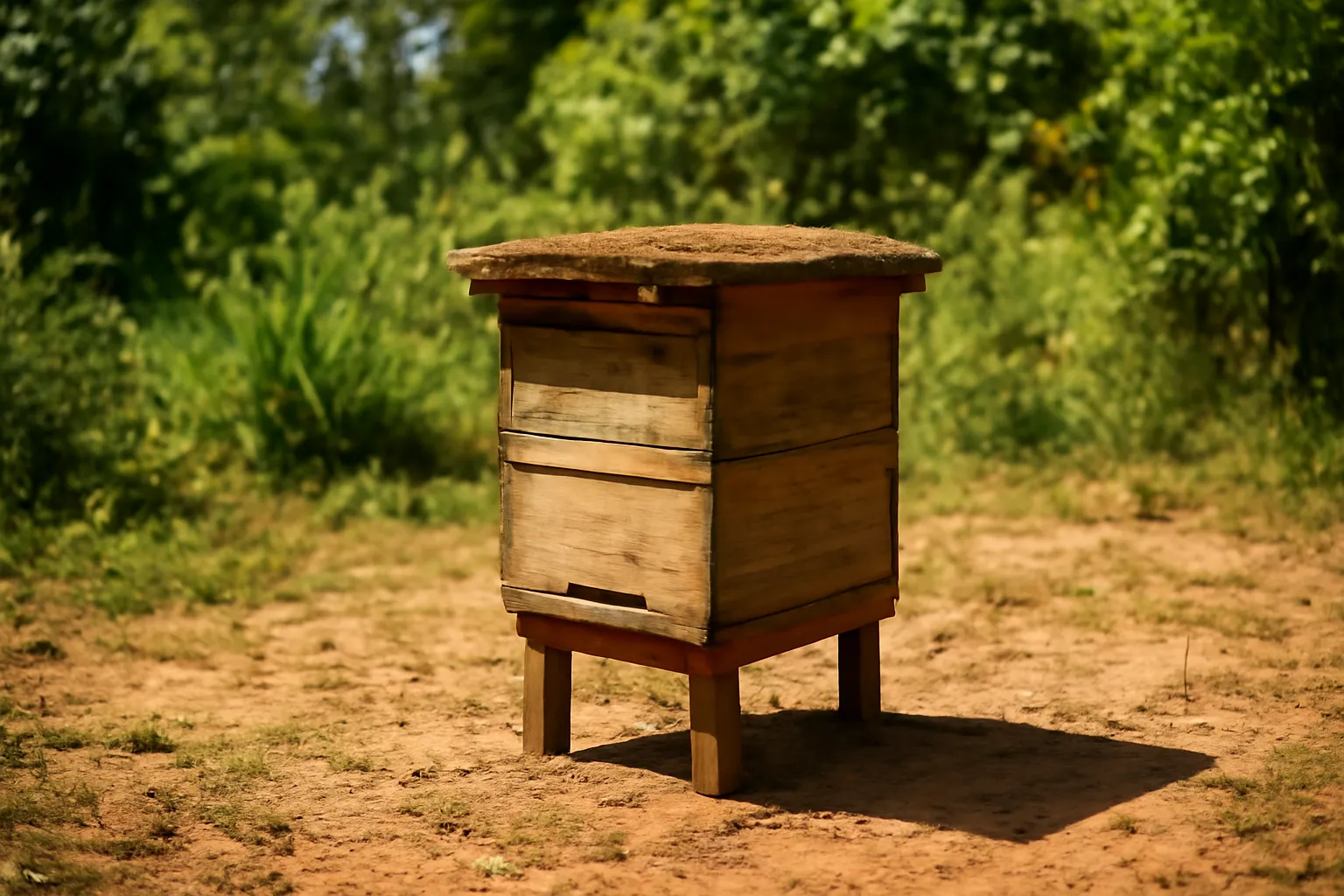
Ten mistakes beginners make in the first year
Collected from the most common colony losses. Almost none of them costs money to avoid.
 ›
×
›
×
A single-origin stingless bee honey from our own apiary in Trang Bang, Tay Ninh. Harvested and bottled by batch, traceable to the colony.
Vietnamese stingless bee honey, built for export
© 2026 Aron Bee. All rights reserved. · Copyright · OD-1C4F-F69A