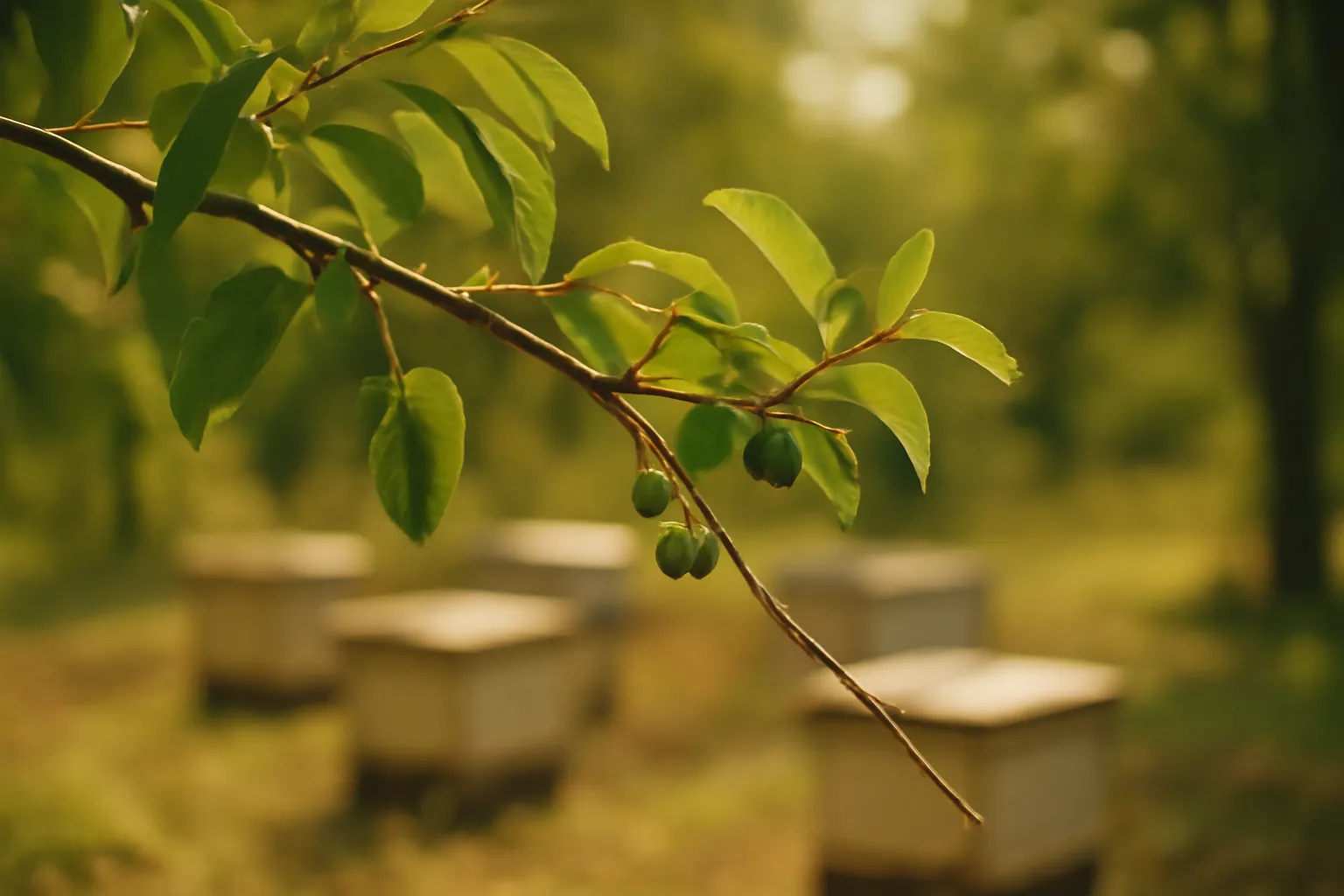
Stingless bees and the garden: a two-way relationship
People keep stingless bees for honey, and honey is the part that can be measured. But in a garden the colony returns more than what ends up in the jar.
Pollination
Stingless bees are effective pollinators of many fruit and vegetable crops, particularly small flowers that honey bees tend to ignore. Gardens with a colony often set fruit more evenly. This value never appears on an invoice but it is real.
Why they suit a home garden specifically
They forage within only a few hundred metres, which means nearly all their effort goes into your own garden. Honey bees range for kilometres, so their pollination benefit is spread across a whole district.
No sting means no compromise on where they go
This is what sets stingless bees apart from every other kept bee. A box can sit beside a path, near where children play, or on a balcony without concern. No honey bee allows that.
What the garden owes in return
The relationship runs both ways. The colony needs flowering through the whole year, and it needs plant resin to build with. A garden with one crop that blooms heavily for two months and then nothing leaves the colony to survive the other ten.
And one absolute condition: no insecticide. A single application in your garden or a neighbouring one can wipe out a colony within a day or two.
The colony as an indicator
A colony strengthening year on year says the garden is in good shape: enough flowers, no chemicals, enough diversity. A colony declining despite correct care usually says something about the surroundings rather than the bees. Many keepers treat their colonies as a measure of the whole garden's health.
Frequently asked
Will yields noticeably improve?
There is a real effect on crops that need pollination, but the size depends on the crop and the number of colonies. Do not expect a dramatic change from one colony.
Do they damage ripe fruit?
No. They take nectar, pollen and resin, and do not attack fruit.
Can they share a garden with honey bees?
Yes, they do not conflict directly. But honey bees forage far more heavily, so where forage is limited the stingless bees lose out.
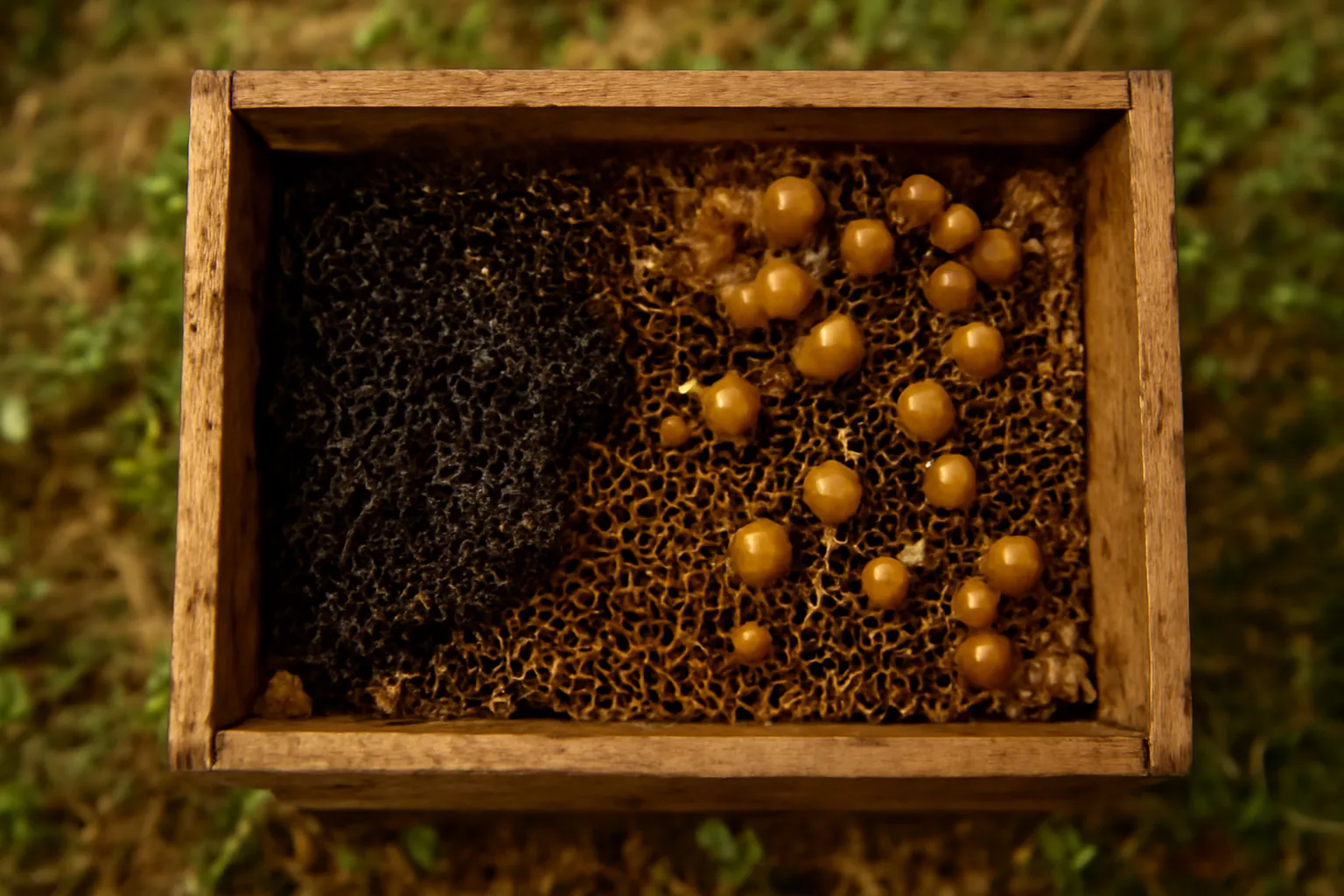
A short glossary for new stingless beekeepers
Twenty terms you will meet when buying a colony or reading a guide, explained in plain language.
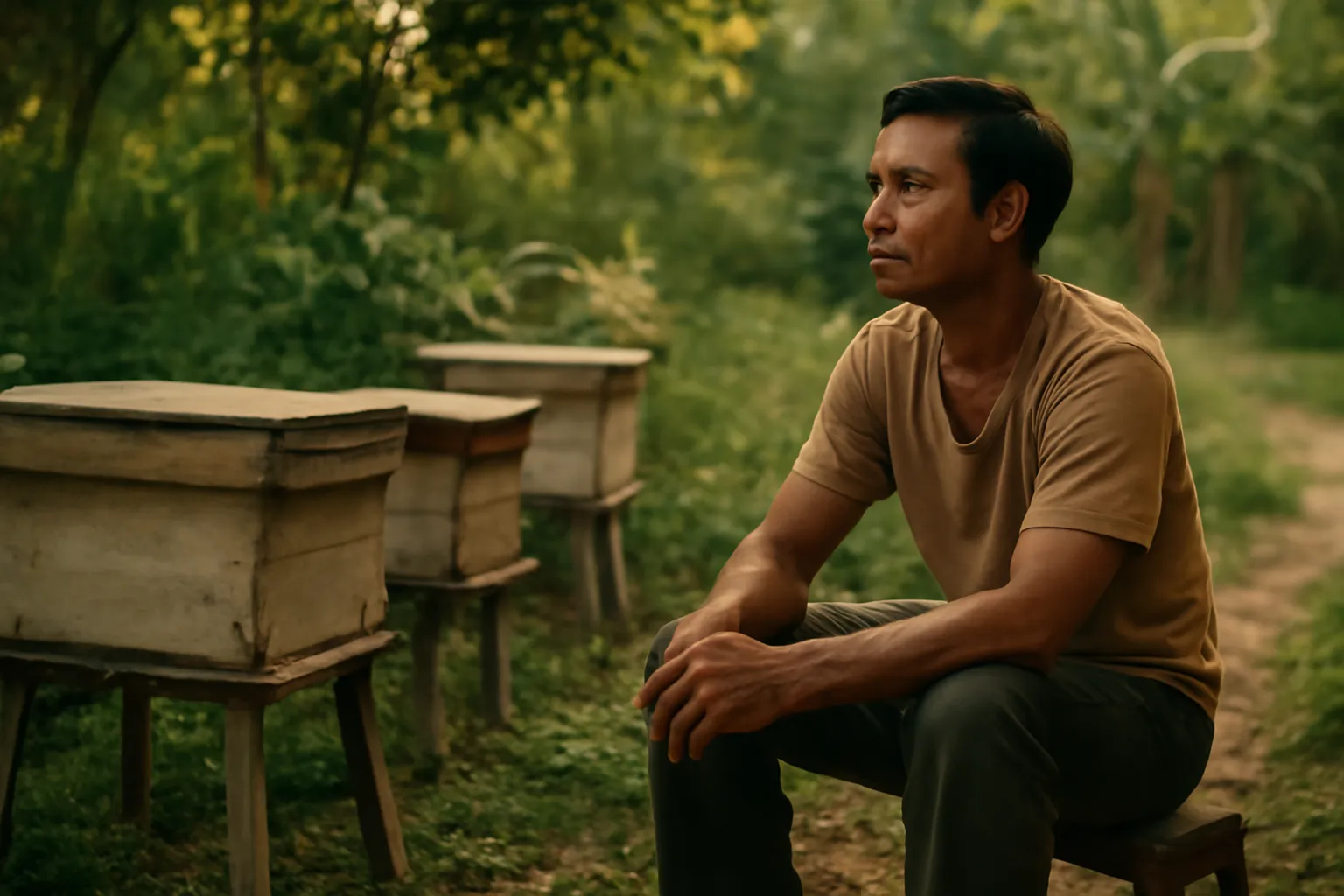
Is keeping stingless bees a business? An honest look at the numbers
A straight answer to the question every beginner asks, and a method to work it out for your own situation.
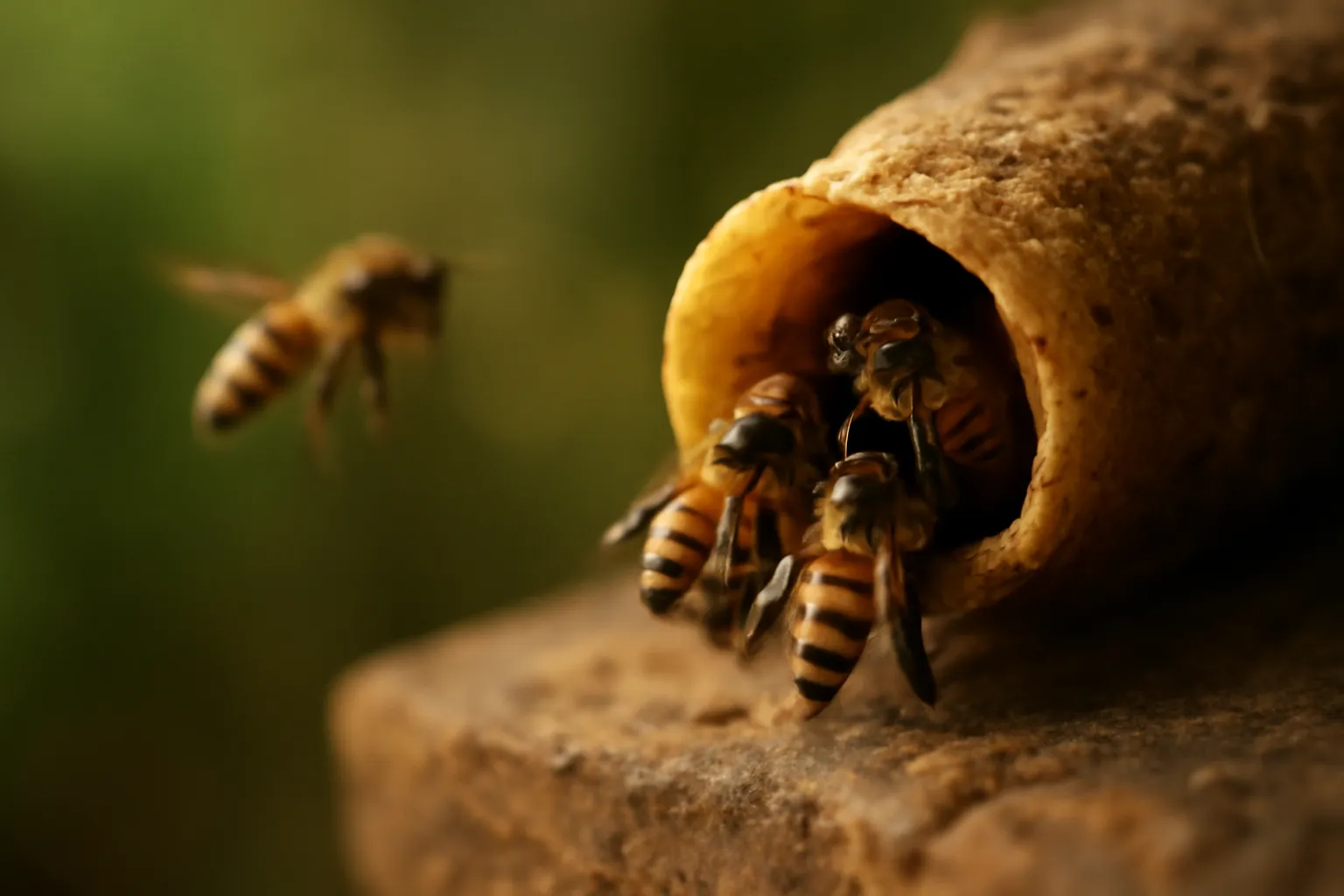
Reading the entrance: ten minutes tells you how the colony is doing
Six things visible from outside the box, and what each of them means.
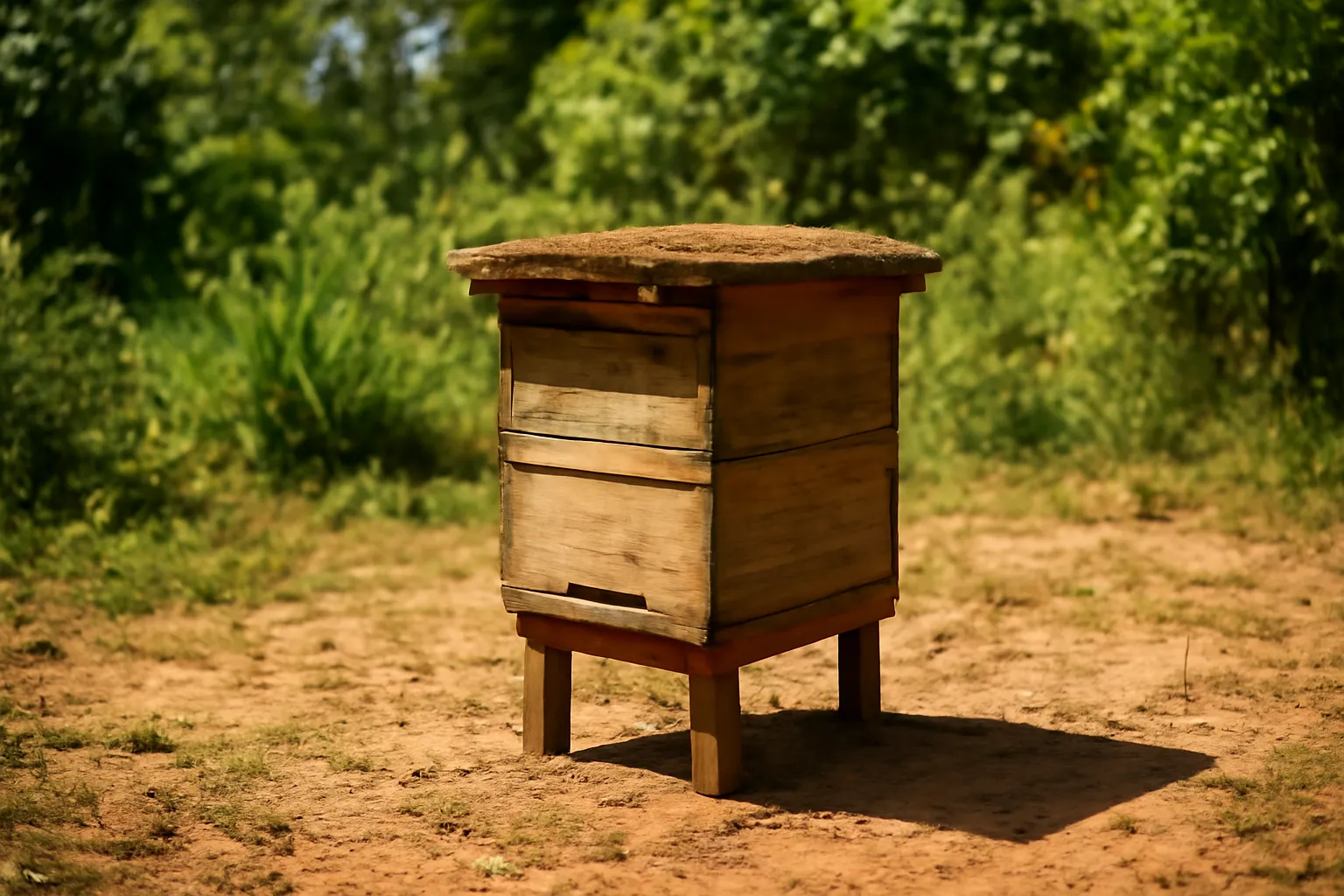
Ten mistakes beginners make in the first year
Collected from the most common colony losses. Almost none of them costs money to avoid.
What to prepare before buying your first colony
Everything on this list should be done before the bees arrive. Preparing afterwards is the usual reason a first colony dies.
 ›
×
›
×
A single-origin stingless bee honey from our own apiary in Trang Bang, Tay Ninh. Harvested and bottled by batch, traceable to the colony.
Vietnamese stingless bee honey, built for export
© 2026 Aron Bee. All rights reserved. · Copyright · OD-1C4F-F69A