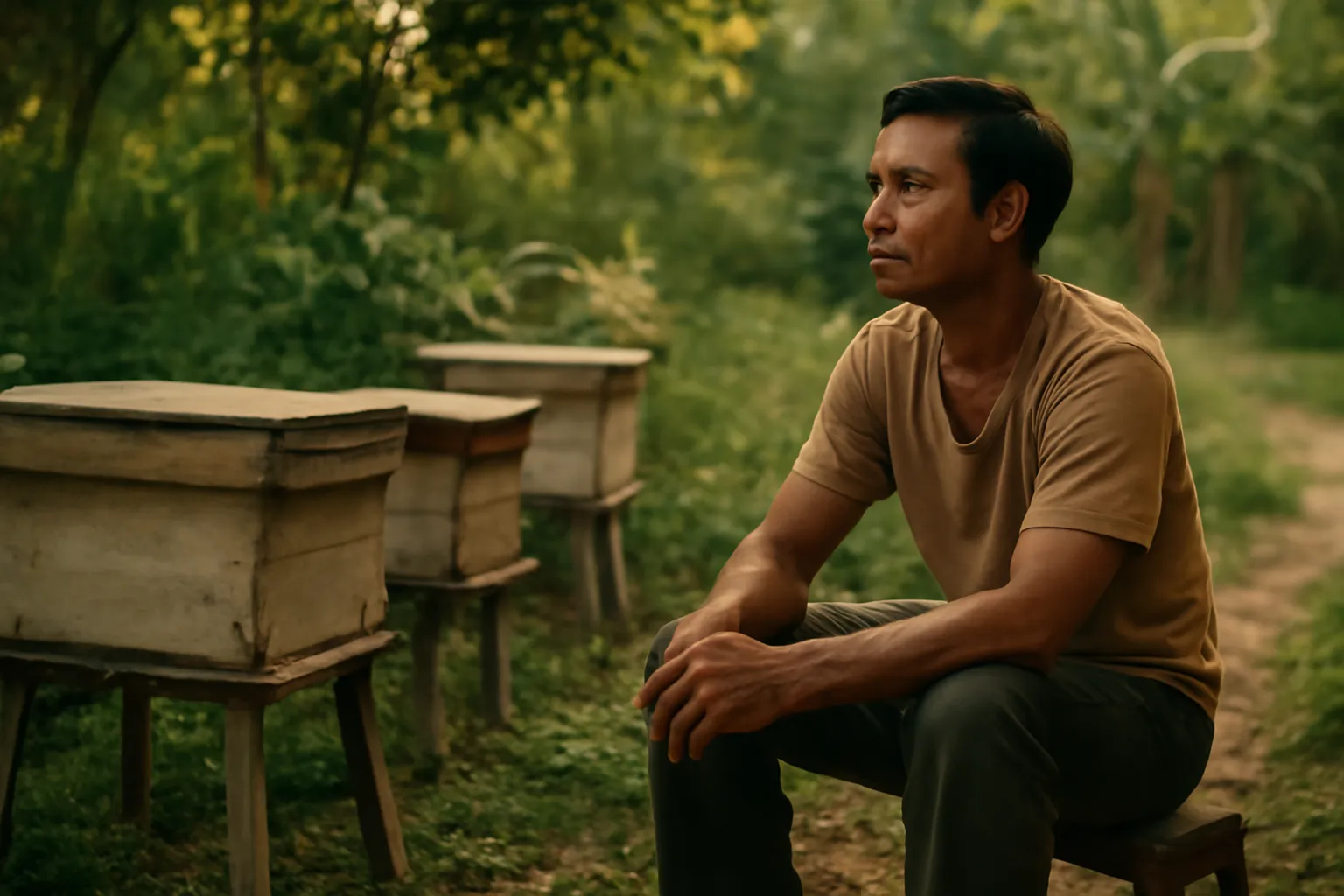
Is keeping stingless bees a business? An honest look at the numbers
This is the first question nearly every beginner asks, and the honest answer is: yes, but slowly, and not in the way most people imagine.
Honey is not the main income
A colony yields a few hundred millilitres per harvest, one or two harvests a year. Multiply by a retail price, subtract jars and labels, and the figure per colony is modest. Living on honey alone requires many colonies, and colony numbers are capped by available forage.
Colonies are where the money is
A strong colony splits once or twice a year, and each daughter is worth many harvests of honey. This is why serious operations lean toward propagation. It demands patience: from two colonies it takes several years to reach meaningful numbers.
How to work it out for yourself
- Estimate how many colonies your garden can support — based on the density of flowering plants within three hundred metres, not on land area.
- Keep two colonies through one full year and record what actually happens.
- Scale by the number from the first step.
- Subtract costs, and subtract your own labour.
Your own figures beat any number you hear, because they already account for local conditions.
Who this suits
Someone with a garden or greenery around the house, with other income, who accepts a slow pace. Stingless bees take very little time, which makes them better suited to a secondary occupation than a primary one.
Who it does not suit
Someone needing income within six months, someone in a place with no greenery nearby, and someone who cannot leave things alone.
The thing rarely said
Most people who leave the trade do not leave because it was unprofitable. They leave because they lost a colony in the first year and gave up. Getting through year one is the hard part, and it depends on preparation rather than capital.
Frequently asked
How long to break even?
Counting the value of splits, a few years for a small apiary. Counting honey alone, considerably longer.
Should I borrow to start at scale?
No. Forage capacity and experience are two limits money cannot buy quickly.
What pairs well with it?
A fruit orchard is the natural combination — the bees get forage, the trees get pollination. But only if nothing is sprayed.
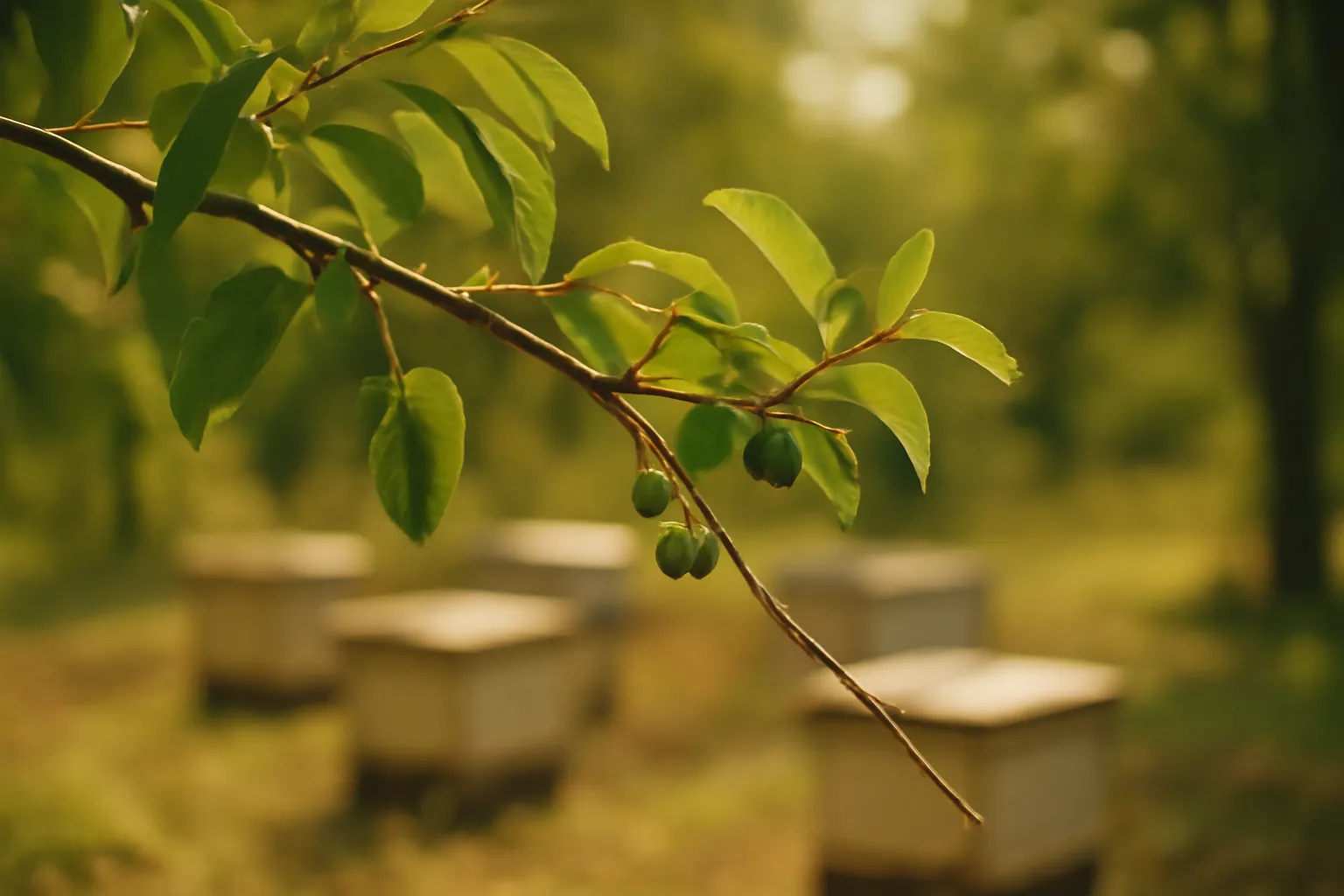
Stingless bees and the garden: a two-way relationship
People keep them for honey. The garden gets back more than what ends up in the jar.
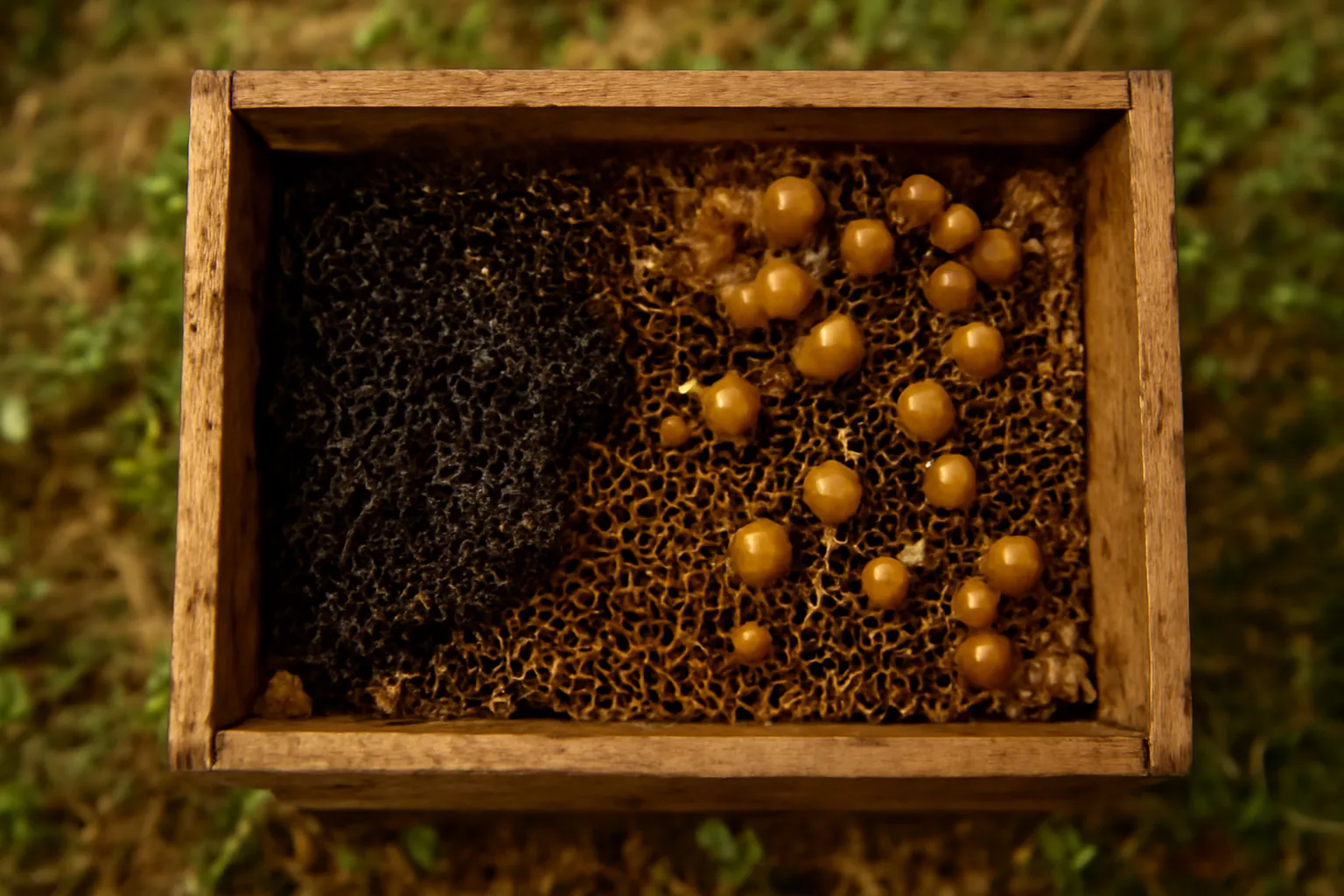
A short glossary for new stingless beekeepers
Twenty terms you will meet when buying a colony or reading a guide, explained in plain language.
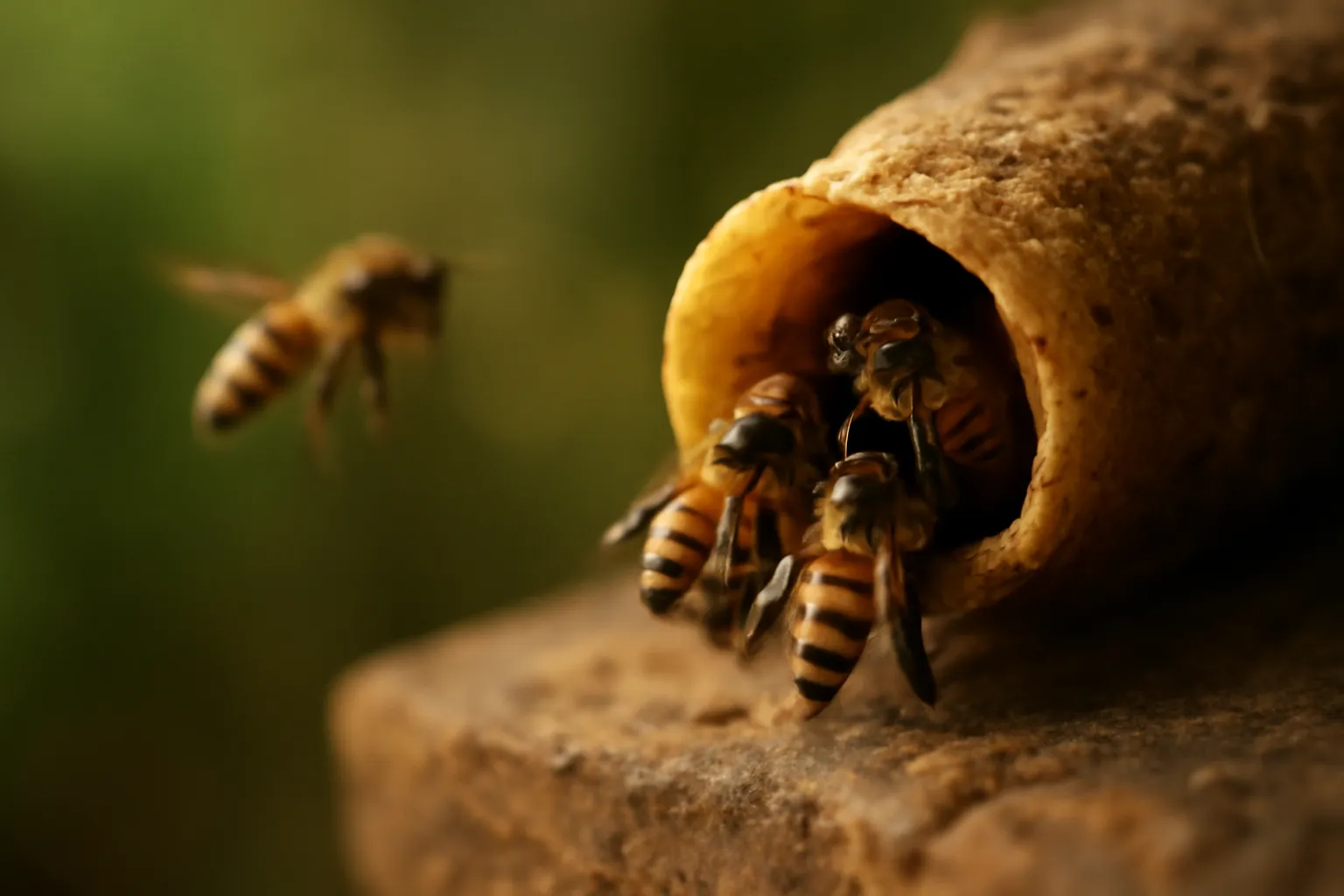
Reading the entrance: ten minutes tells you how the colony is doing
Six things visible from outside the box, and what each of them means.
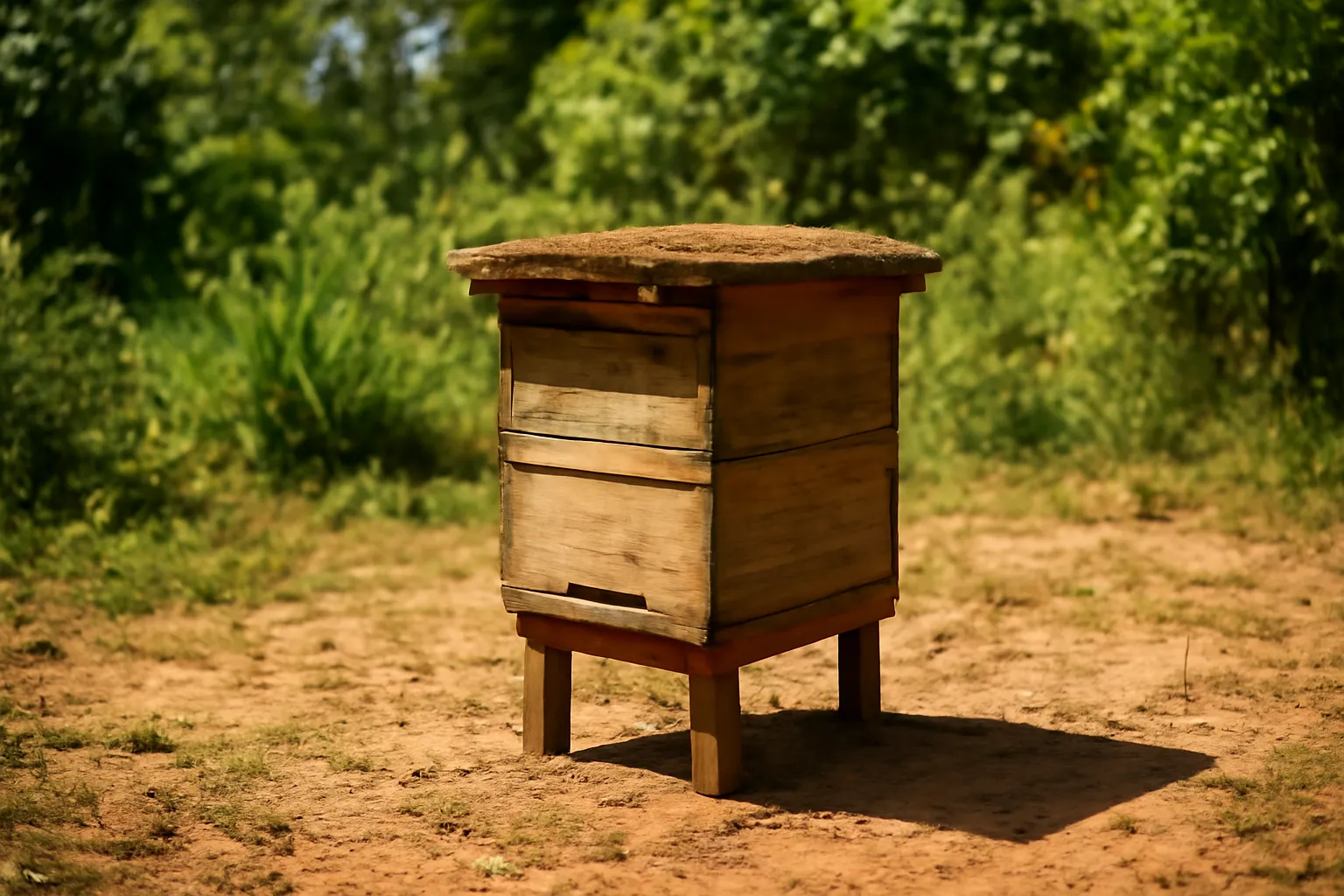
Ten mistakes beginners make in the first year
Collected from the most common colony losses. Almost none of them costs money to avoid.
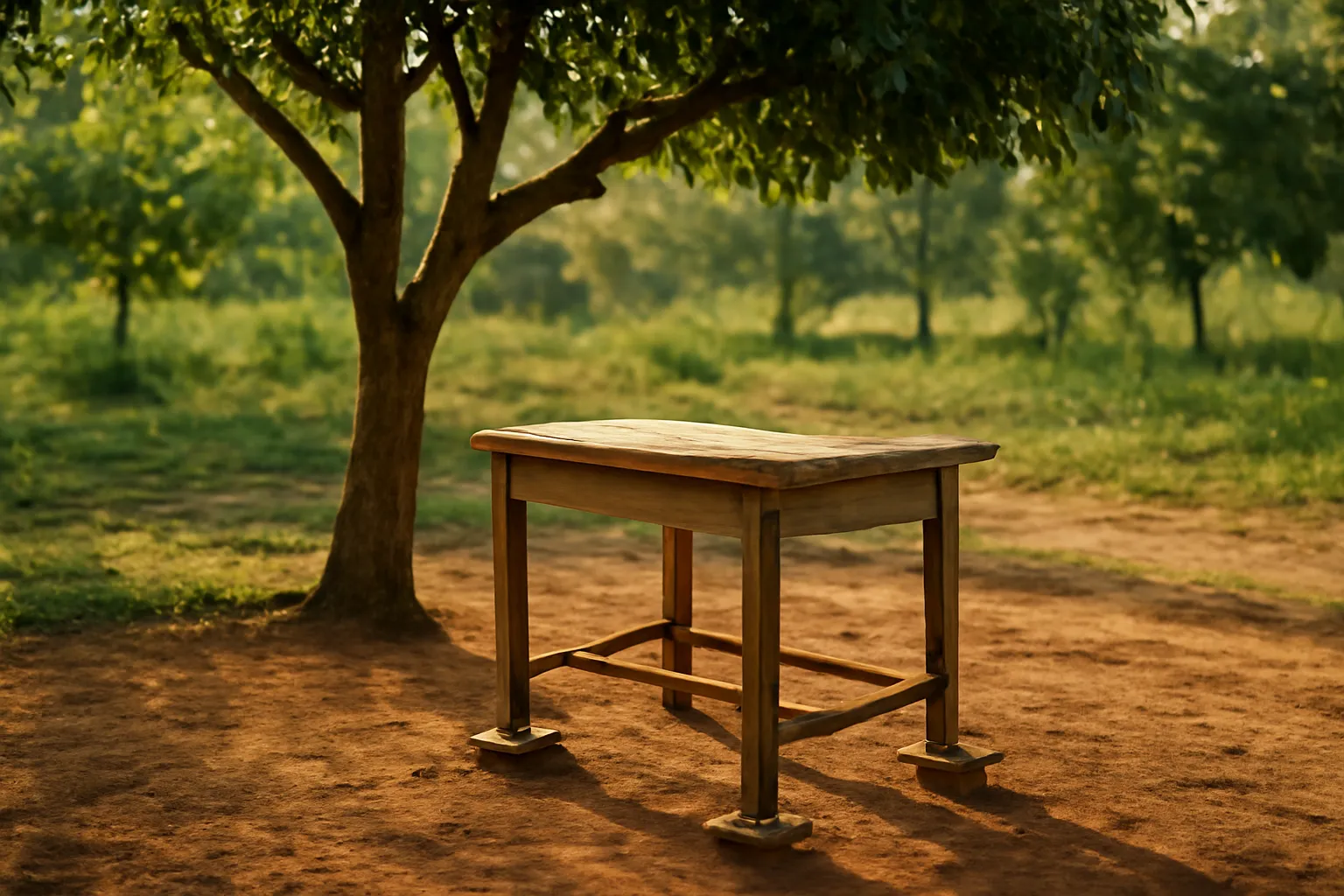
What to prepare before buying your first colony
Everything on this list should be done before the bees arrive. Preparing afterwards is the usual reason a first colony dies.
 ›
×
›
×
A single-origin stingless bee honey from our own apiary in Trang Bang, Tay Ninh. Harvested and bottled by batch, traceable to the colony.
Vietnamese stingless bee honey, built for export
© 2026 Aron Bee. All rights reserved. · Copyright · OD-1C4F-F69A