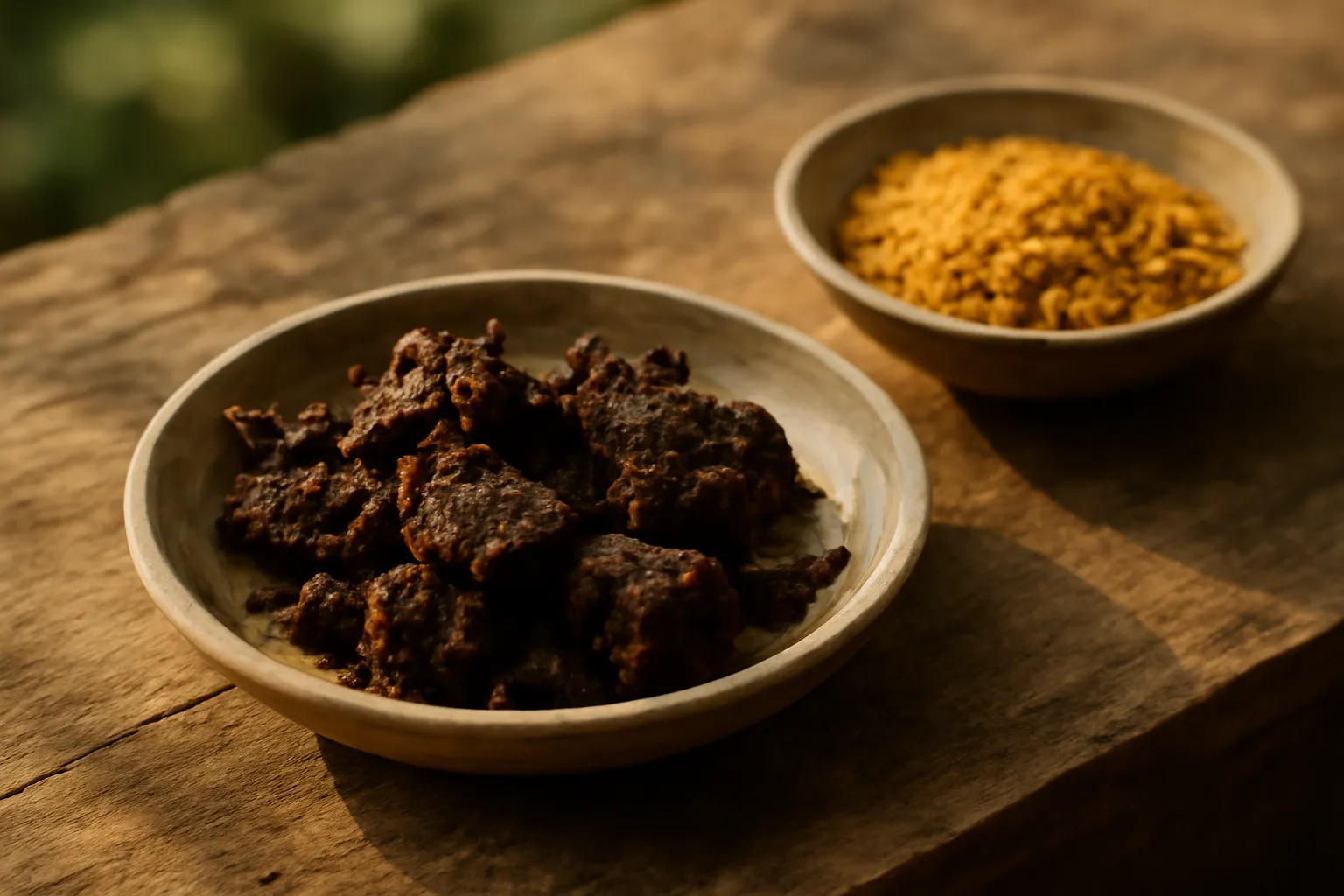
Wax and pollen: two things discarded without reason
After a harvest, the loose wax and broken pollen pots usually go in the bin with the rest. For stingless bees that is a waste, because both have their own value and in some countries sell for more than the honey.
Stingless bee wax is not ordinary beeswax
These bees blend wax with plant resin to make a material called cerumen — darker, more pliable, and scented with resin. That resin layer carries the phenolic compounds that research on stingless bees keeps returning to. Honey-bee wax is pale and contains none of it.
What to do with the wax
Rinse the loose wax gently in warm water to remove residual honey, dry it, and keep it in a sealed jar. It can go into hand-made lip balms and salves, or simply be kept to line a new box when hiving a colony — the scent of old wax helps a colony accept a new space more quickly.
Pollen: leave it with the colony
Pollen pots are the protein supply for larvae. Unlike honey, pollen should not be harvested deliberately, because the colony needs all of it. Only what has spilled, or what remains in a nest after a colony has left, is worth collecting.
The resin at the entrance
Bees build a wax tube projecting from the entrance, usually with a thick collar of resin around it. This is the colony's defensive post — it must not be removed. Beginners who find it untidy and scrape it off are dismantling the guard system, and ants get in far more easily afterwards.
When a colony absconds
An abandoned box still contains wax, pollen and sometimes honey. Collect it all within a few days, before ants and termites arrive. Keep the wax for future hiving; check any remaining honey carefully, as it may already have fermented.
Frequently asked
Is the wax edible?
It can be chewed, and in many places people chew honey pots whole. For regular use, ask someone qualified, and never treat it as medicine.
Can the wax be sold?
Yes, though the domestic market is still small. In Malaysia and Brazil, stingless bee wax and propolis are established products in their own right.
Should an old box be cleaned completely?
Leave a little wax behind. A spotless box takes a new colony longer to accept.
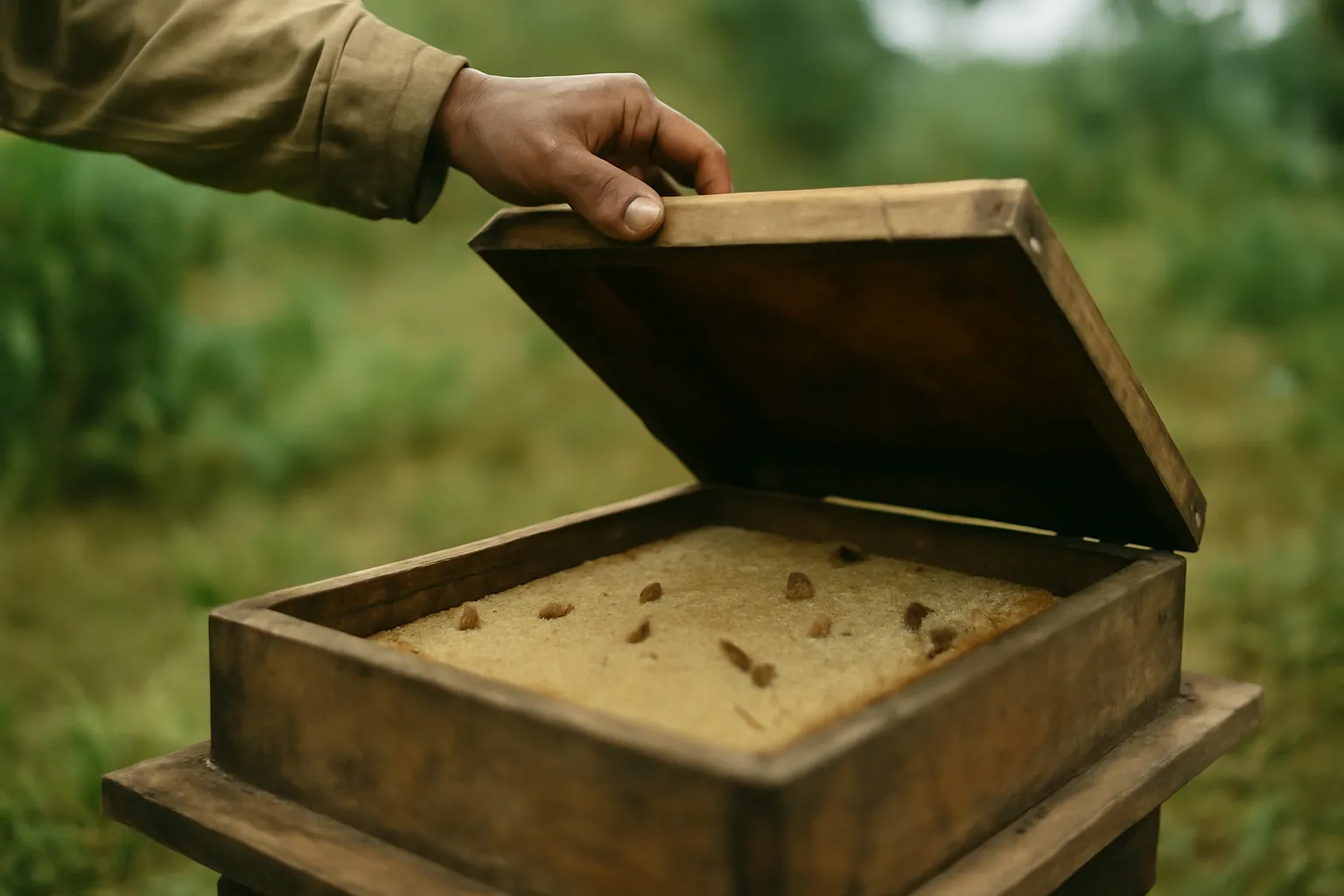
A colony declines after harvest: four causes and how to recover it
Post-harvest decline nearly always has a specific cause. Caught early, a colony recovers within a season.
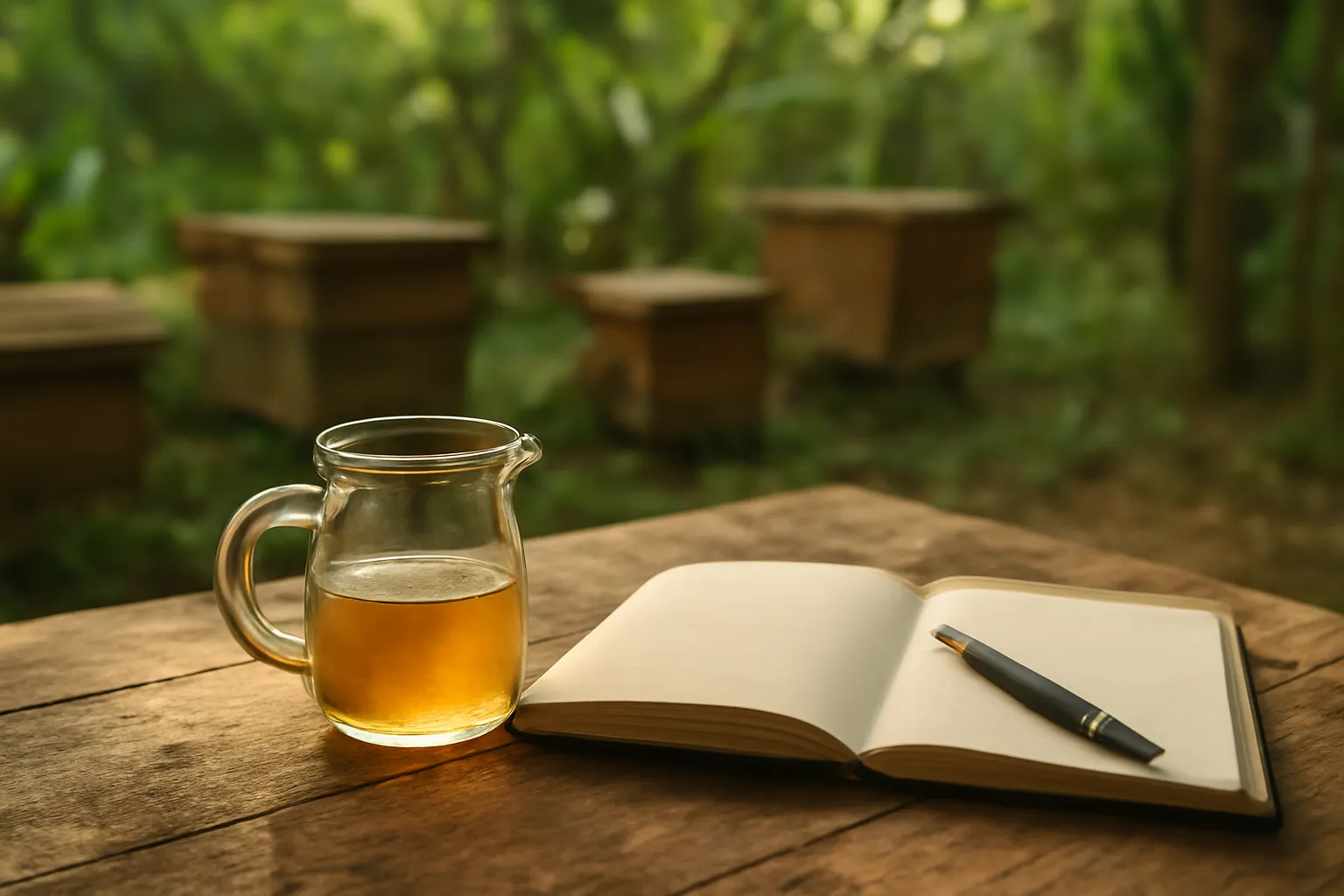
What a colony actually yields, and how to reset expectations
Yield figures are routinely inflated when colonies are sold. Realistic numbers by colony age, season and site.
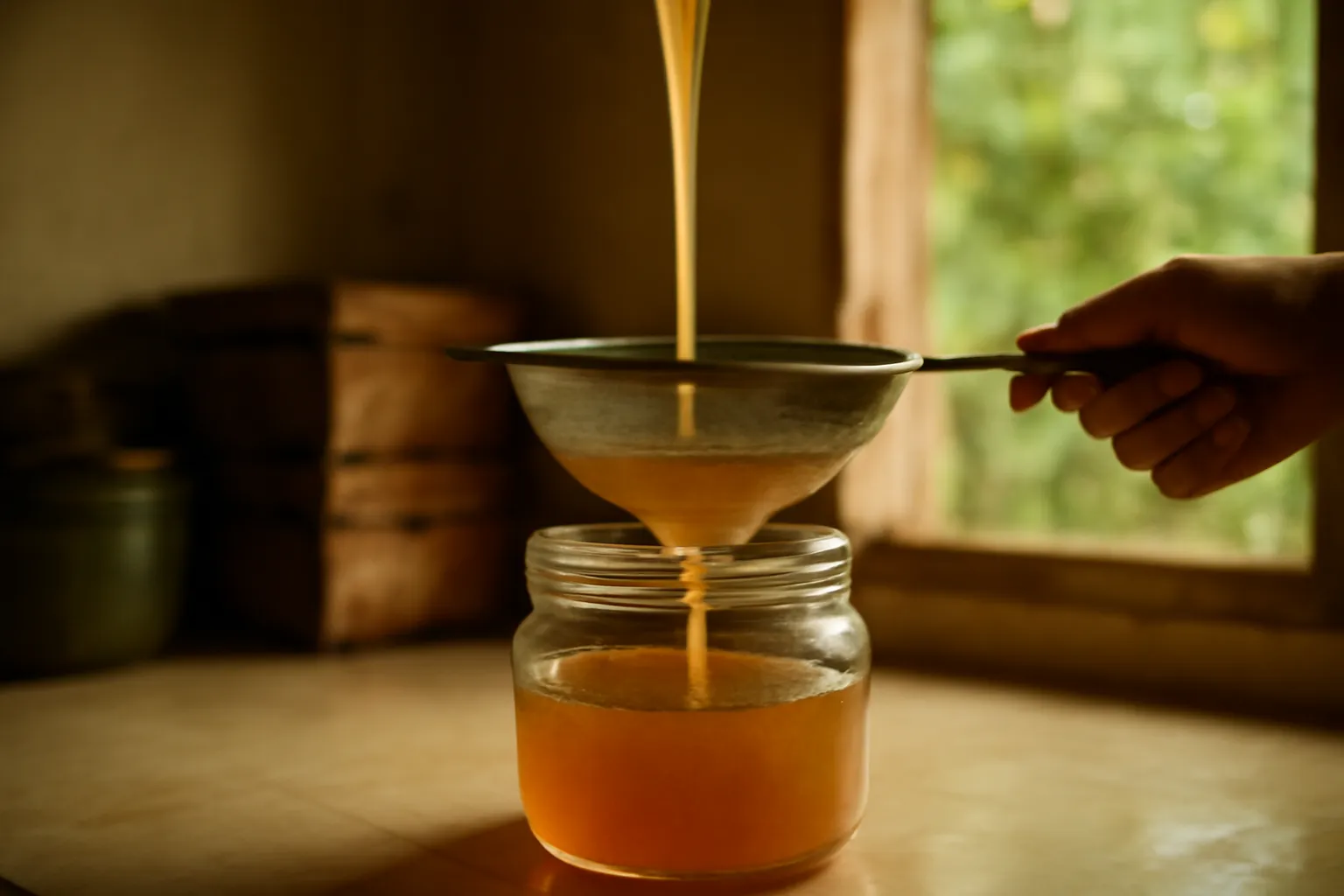
Straining, bottling and storing after the harvest
High moisture means what happens after the harvest decides how long the honey keeps. For households and for sellers.
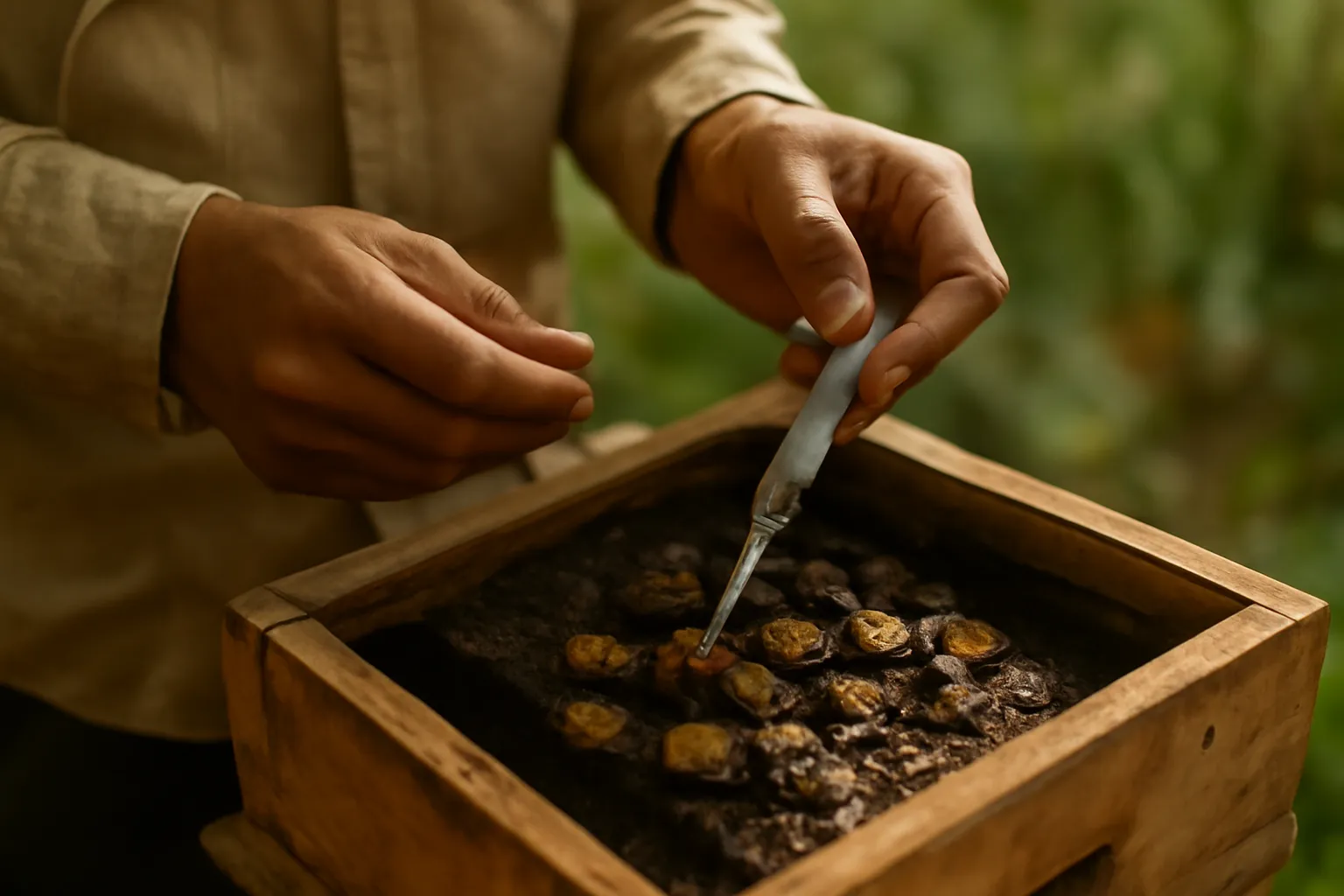
How to harvest stingless bee honey, step by step
Honey pots only, brood untouched. The full sequence from preparing tools to closing the lid.
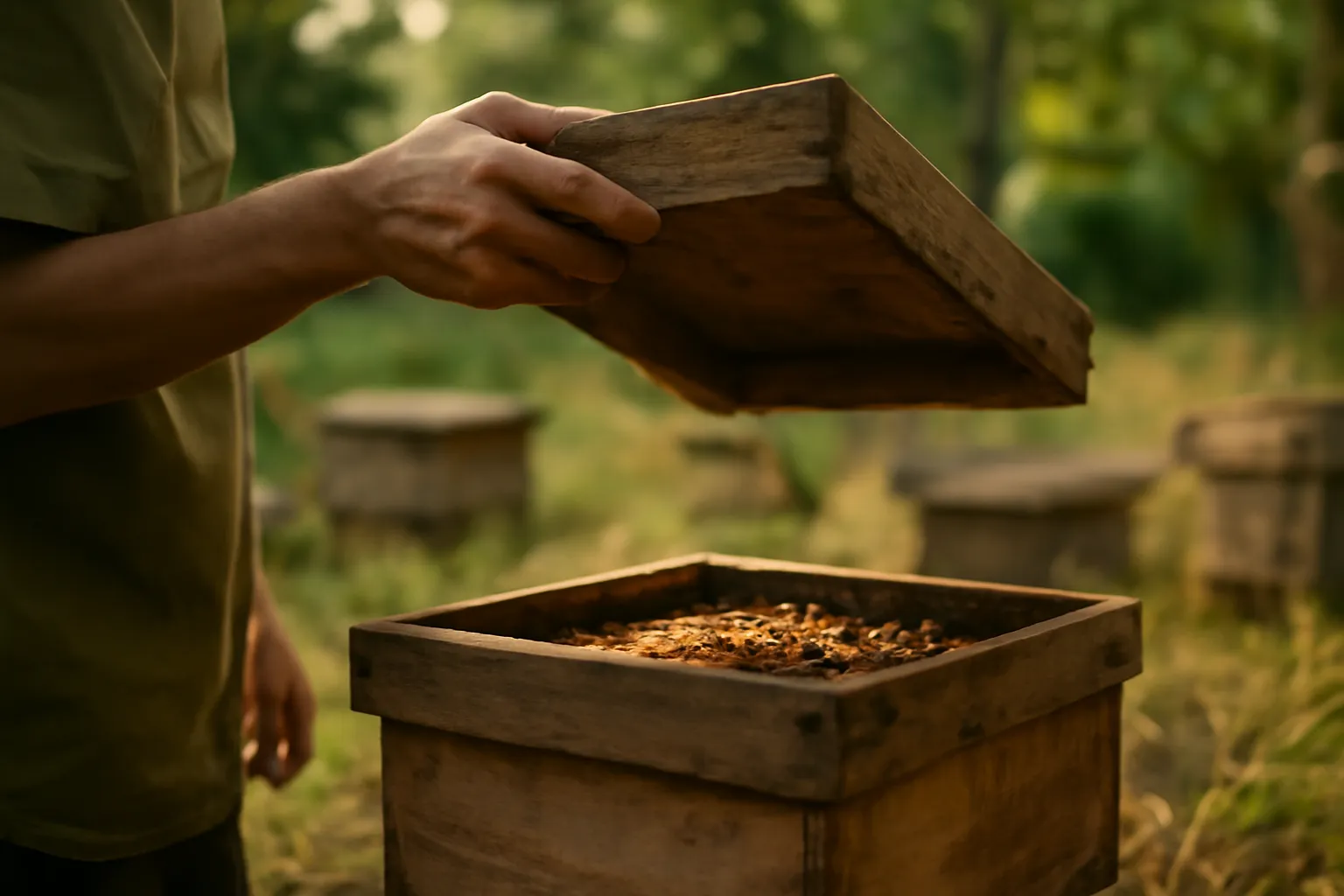
When a colony is ready to be harvested
Harvesting a season too early costs the colony. Four signs it is ready, and the signs that mean wait.
 ›
×
›
×
A single-origin stingless bee honey from our own apiary in Trang Bang, Tay Ninh. Harvested and bottled by batch, traceable to the colony.
Vietnamese stingless bee honey, built for export
© 2026 Aron Bee. All rights reserved. · Copyright · OD-1C4F-F69A