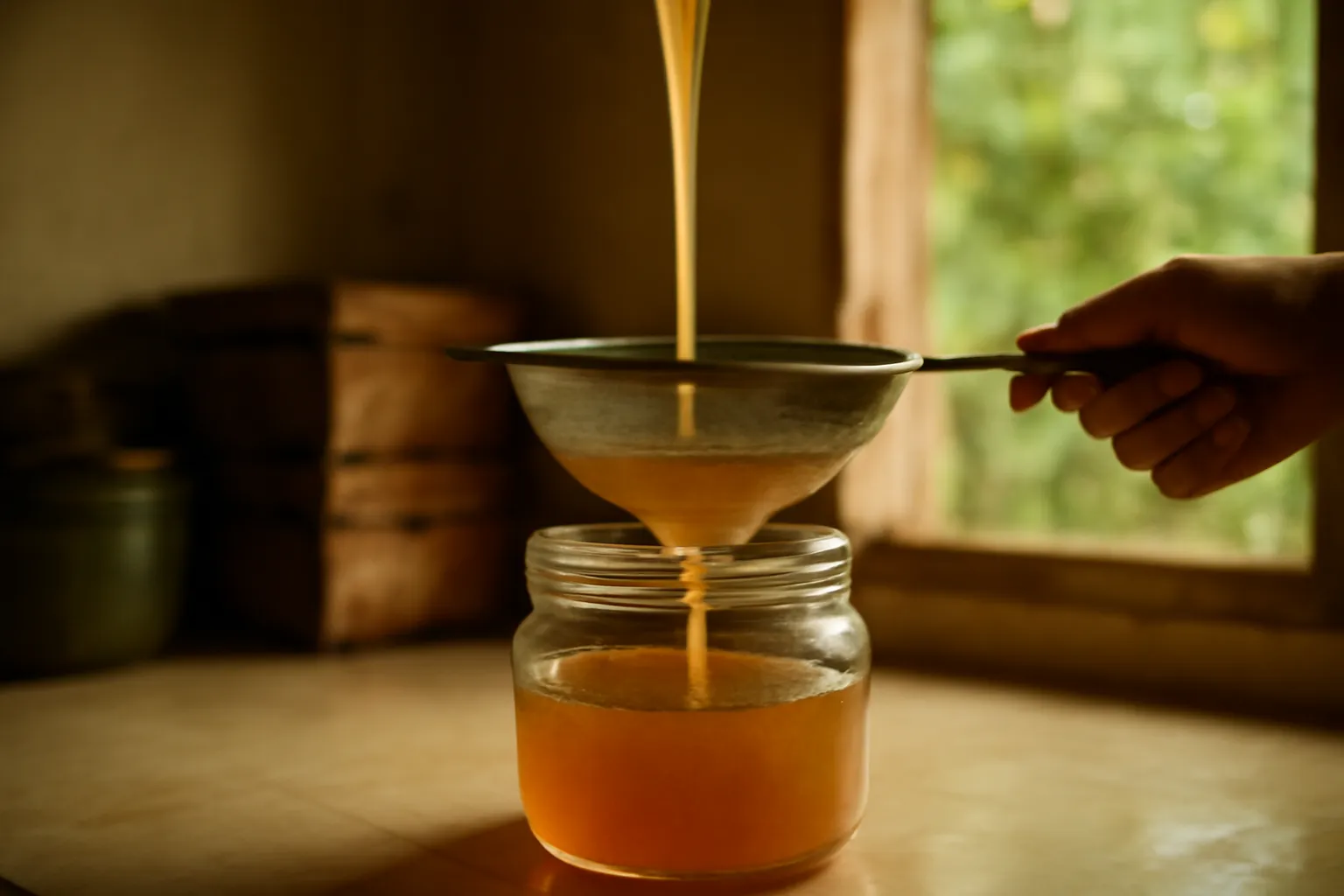
Straining, bottling and storing after the harvest
Freshly drawn honey is ready to eat. But if it is going to be kept for months or sold, what happens in the hour after harvest decides everything. This honey does not forgive carelessness.
Strain coarsely, not finely
A fine mesh or two layers of muslin removes wax fragments and bee parts. No pressure filtration, no charcoal filtration, and no warming to make it flow. Every step that makes it clearer takes away part of what makes it worth the price.
Let it settle overnight
After straining, stand the container in the fridge overnight. Foam and fine debris rise; skim them off. What remains below is clean honey ready for bottling.
Jars and lids
Glass, narrow-mouthed, tightly sealing lid. The jar must be completely dry before filling — rinsing and filling immediately is the fastest way to ruin a batch. Fill close to the neck to reduce trapped air. Do not use thin plastic bottles.
Storage
Cool, out of sunlight, ideally refrigerated. For a household, one jar in the kitchen and the rest in the fridge is sensible. For a seller, the whole stock should be kept cool — honey standing in a warm store for a few weeks starts to change.
Write the batch code at bottling
Label with the harvest date and the source colony immediately, even for honey kept at home. Once there are two or three harvests in the fridge, nobody remembers which came first. For anyone selling, this is the non-negotiable foundation of traceability.
Signs a batch is failing
Bulging lid, honey welling up on opening, thick foam continuously forming, a smell of alcohol. Discard it — do not reheat, do not re-strain. If a whole batch fails at once, the cause is almost always damp equipment or damp jars.
Frequently asked
Can moisture be reduced mechanically?
Purpose-built dehumidifiers can lower moisture without high heat, but that is production equipment. For a household, keeping it cool and using it promptly is the sensible route.
Can it be frozen?
Yes for long storage, but it is not necessary. Refrigeration covers several months.
Why is this batch more tart than the last?
Different flowering season, different resin ratio. Normal for real honey, and worth recording so you learn which season gives which character.
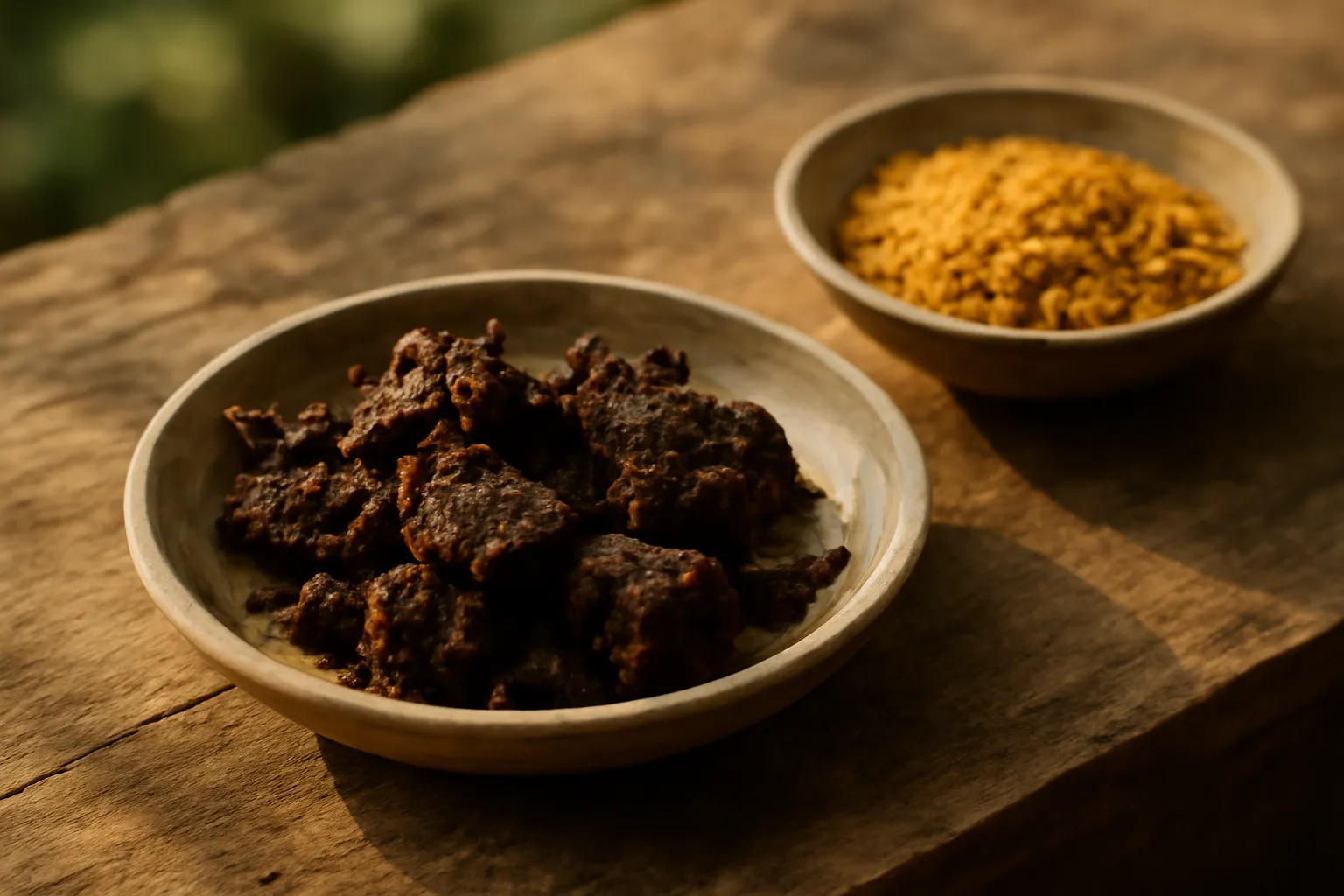
Wax and pollen: two things discarded without reason
Besides honey, a stingless bee nest yields resin-blended wax and pollen. What to do with each, and what to leave alone.
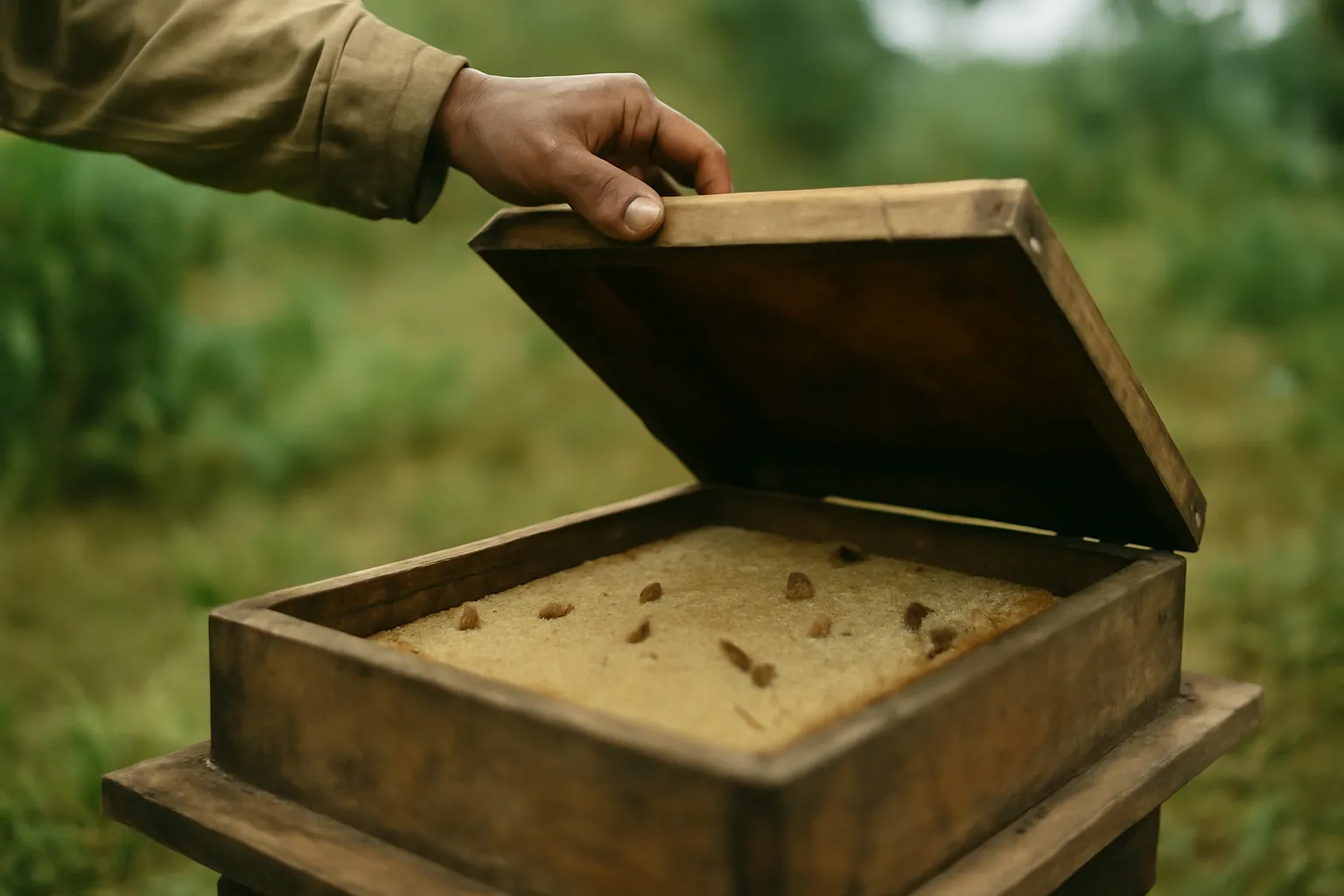
A colony declines after harvest: four causes and how to recover it
Post-harvest decline nearly always has a specific cause. Caught early, a colony recovers within a season.
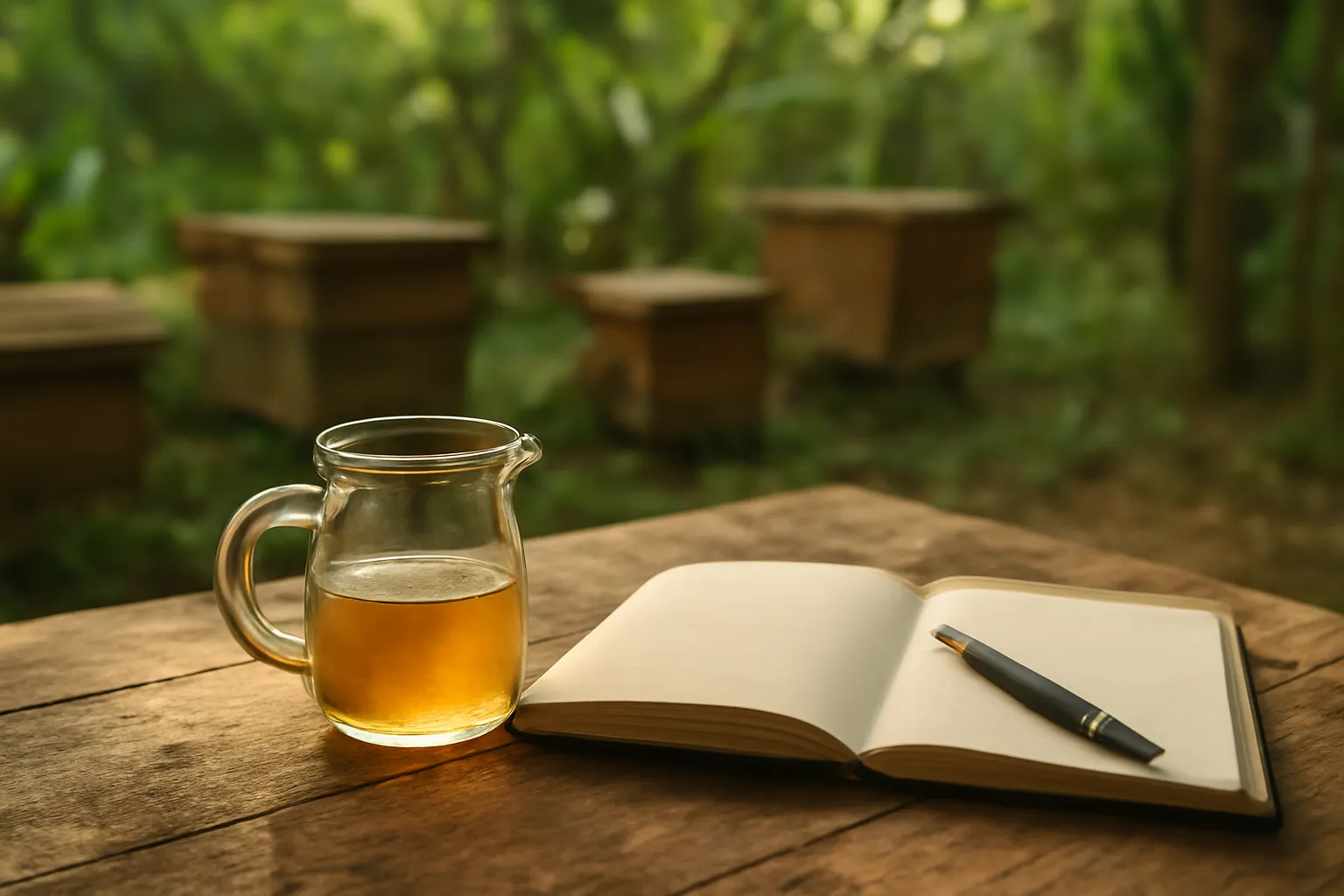
What a colony actually yields, and how to reset expectations
Yield figures are routinely inflated when colonies are sold. Realistic numbers by colony age, season and site.
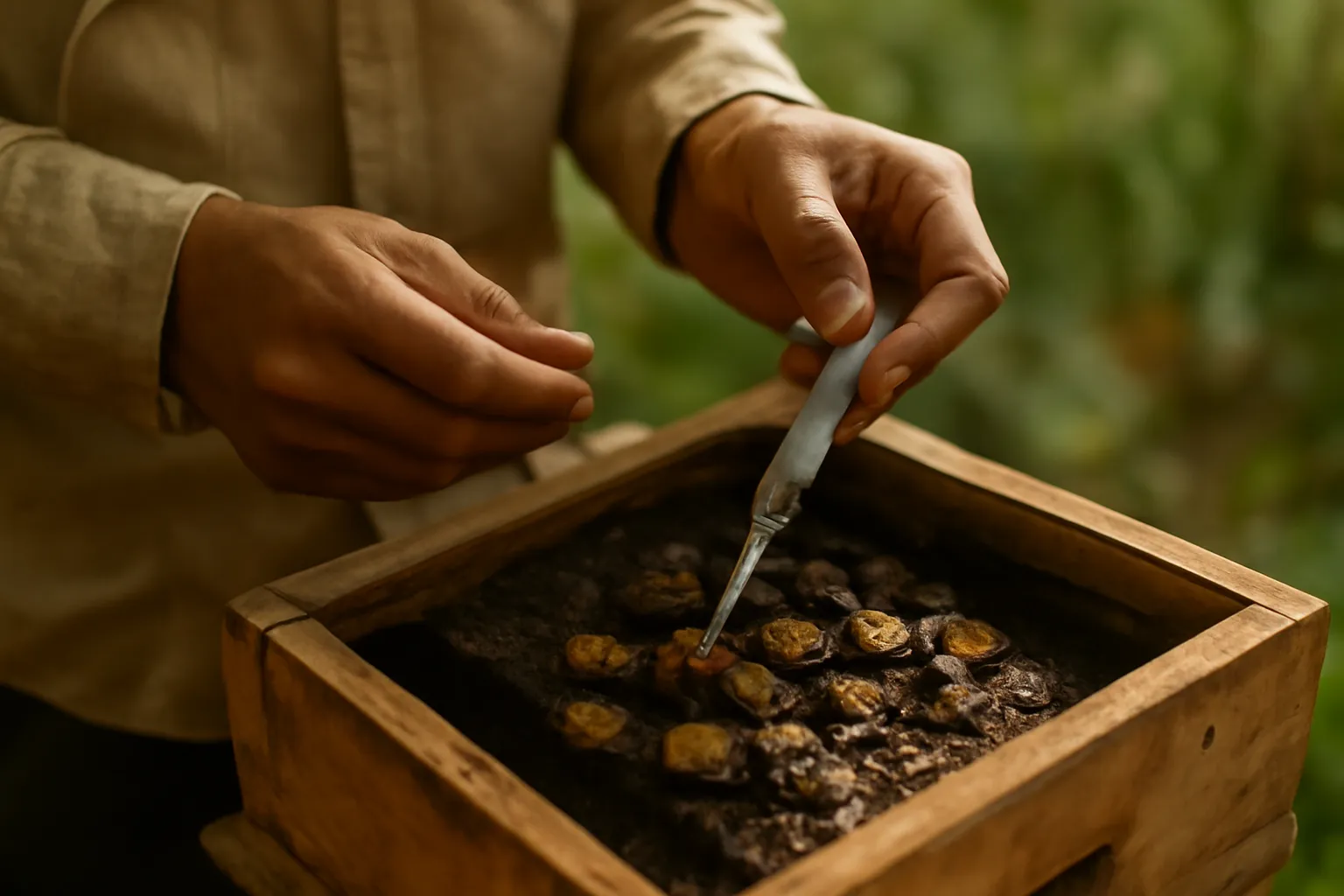
How to harvest stingless bee honey, step by step
Honey pots only, brood untouched. The full sequence from preparing tools to closing the lid.
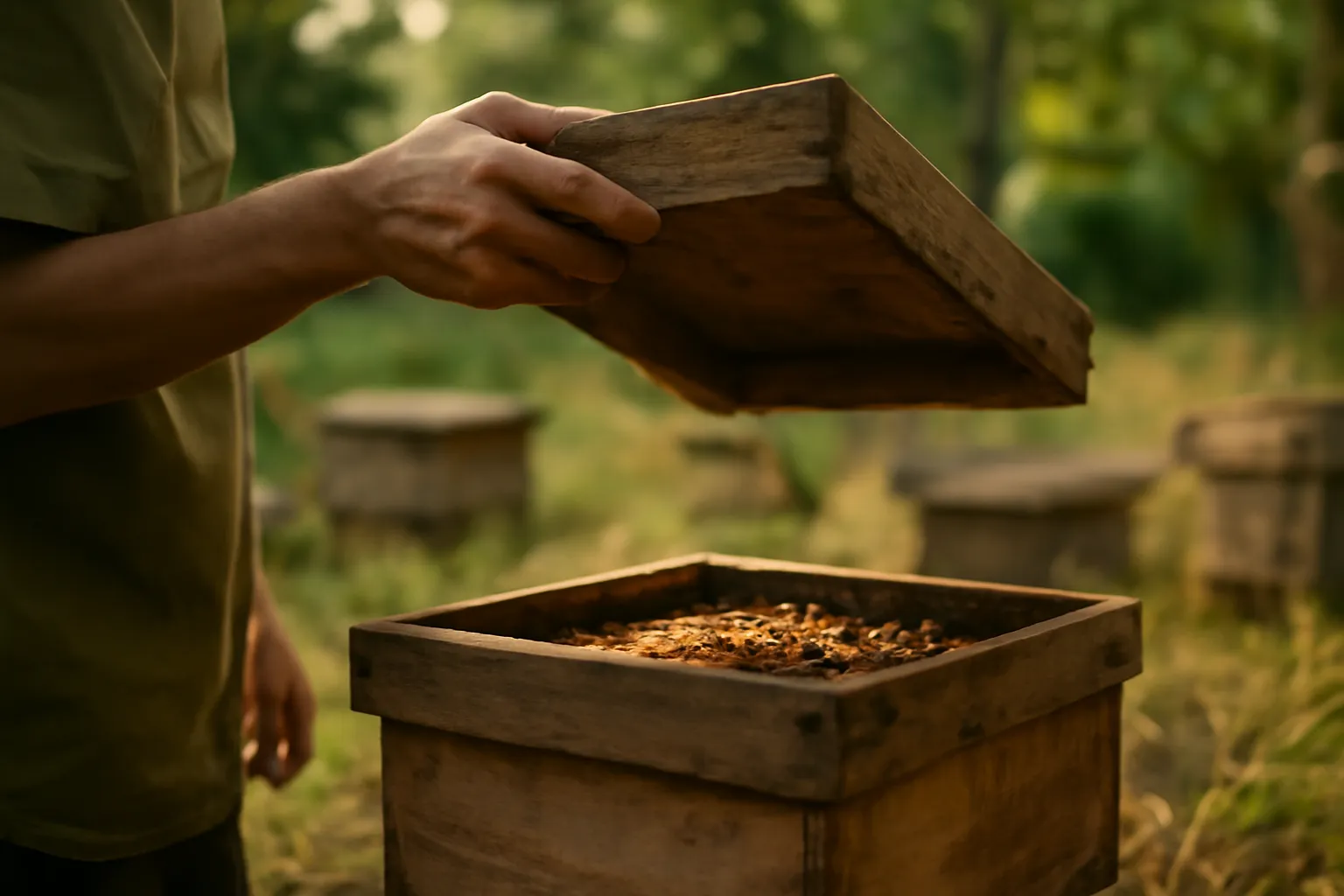
When a colony is ready to be harvested
Harvesting a season too early costs the colony. Four signs it is ready, and the signs that mean wait.
 ›
×
›
×
A single-origin stingless bee honey from our own apiary in Trang Bang, Tay Ninh. Harvested and bottled by batch, traceable to the colony.
Vietnamese stingless bee honey, built for export
© 2026 Aron Bee. All rights reserved. · Copyright · OD-1C4F-F69A