
Choosing where to put the hive: the decision hardest to undo
Once a box is placed it should not be moved: stingless bees learn the way home from landmarks around the entrance, and shifting it even a few metres strands part of the colony. So the siting decision has to be right the first time, and it matters more than any technique applied later.
1. Midday shade — the first criterion
The box needs shade from roughly ten in the morning to three in the afternoon. Early and late sun are fine, even helpful. But hard tropical midday sun raises internal temperature past the point where the resin-blended wax softens, and the colony leaves. If there is no tree, build a roof.
2. No standing water
Water pooling under the stand brings damp, termites and fungus. Choose higher ground or raise the stand at least forty centimetres, and make sure water drains after heavy rain.
3. Forage within a few hundred metres
Look around the intended spot within a three-hundred-metre radius. Is anything flowering? Is there a mixed garden? If it is all concrete and lawn, the colony will weaken regardless of care.
4. Away from spraying
A field or orchard sprayed on a schedule next door is reason enough to reject the site, even if the first three criteria are perfect. Ask the neighbours before building the stand.
5. Accessible but not on a thoroughfare
You need to reach it for checks, but the box should not sit on the path everyone walks daily or where children play. Constant vibration and knocks unsettle the colony.
Entrance direction
East or south-east is the common choice: morning sun, no afternoon glare. More important than direction is that nothing blocks the entrance within a metre and that it does not face into prevailing wind.
Frequently asked
I already placed it badly — can I move it?
Yes, but correctly: under a metre at a time, several days apart. Moving it straight to a new spot a few dozen metres away means losing the foragers that are out.
Can two boxes sit side by side?
Leave at least an arm's length between them and offset the entrance directions, so bees do not enter the wrong nest. A stingless bee entering a foreign nest is usually killed.
Does the box need a rain cover?
Yes. Rain driving into the entrance blocks bees and dampens the nest just inside. An overhang in front of the entrance is enough.
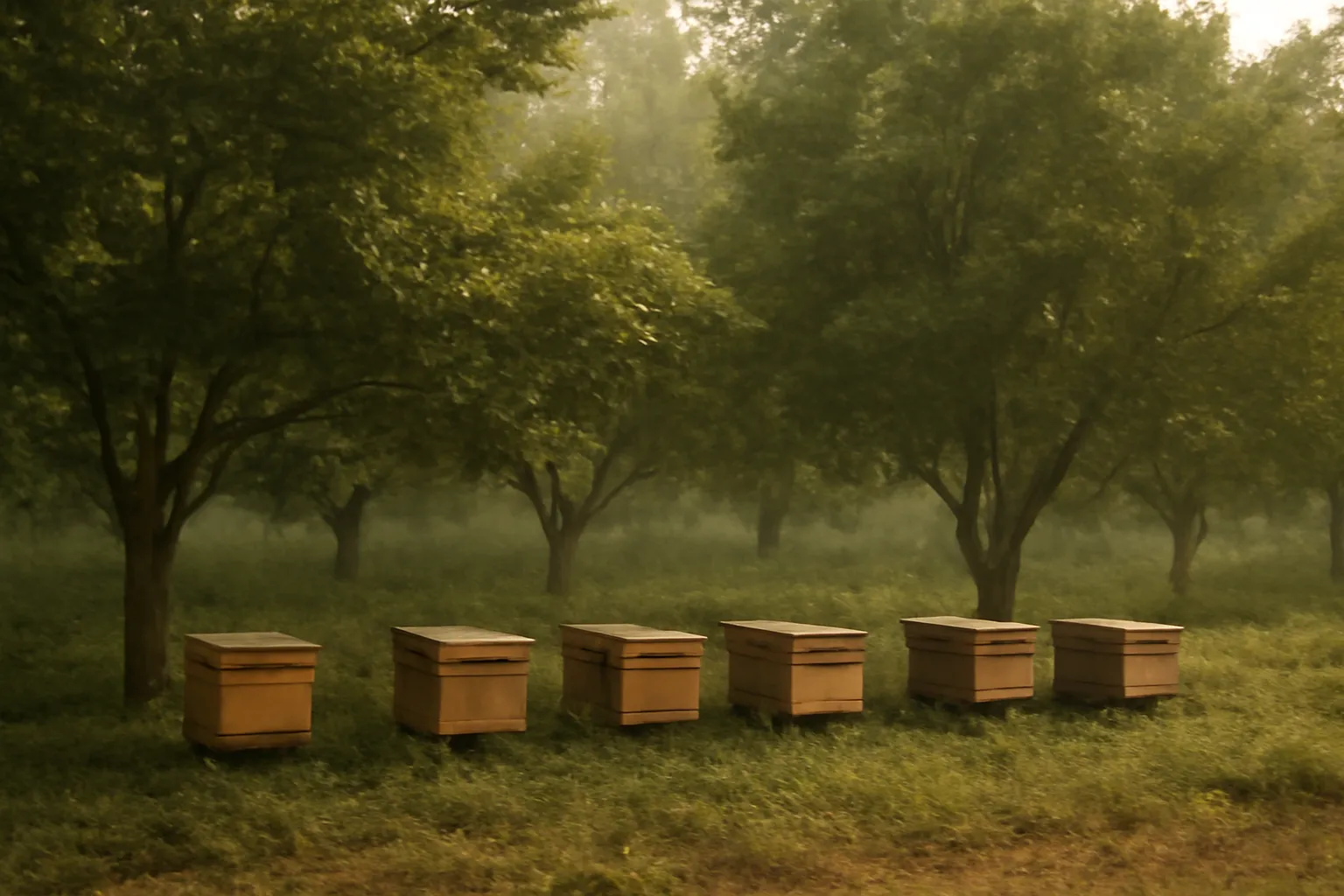
How many hives a garden can carry
Adding colonies past the forage limit does not raise yield, it divides it. How to estimate your own ceiling.
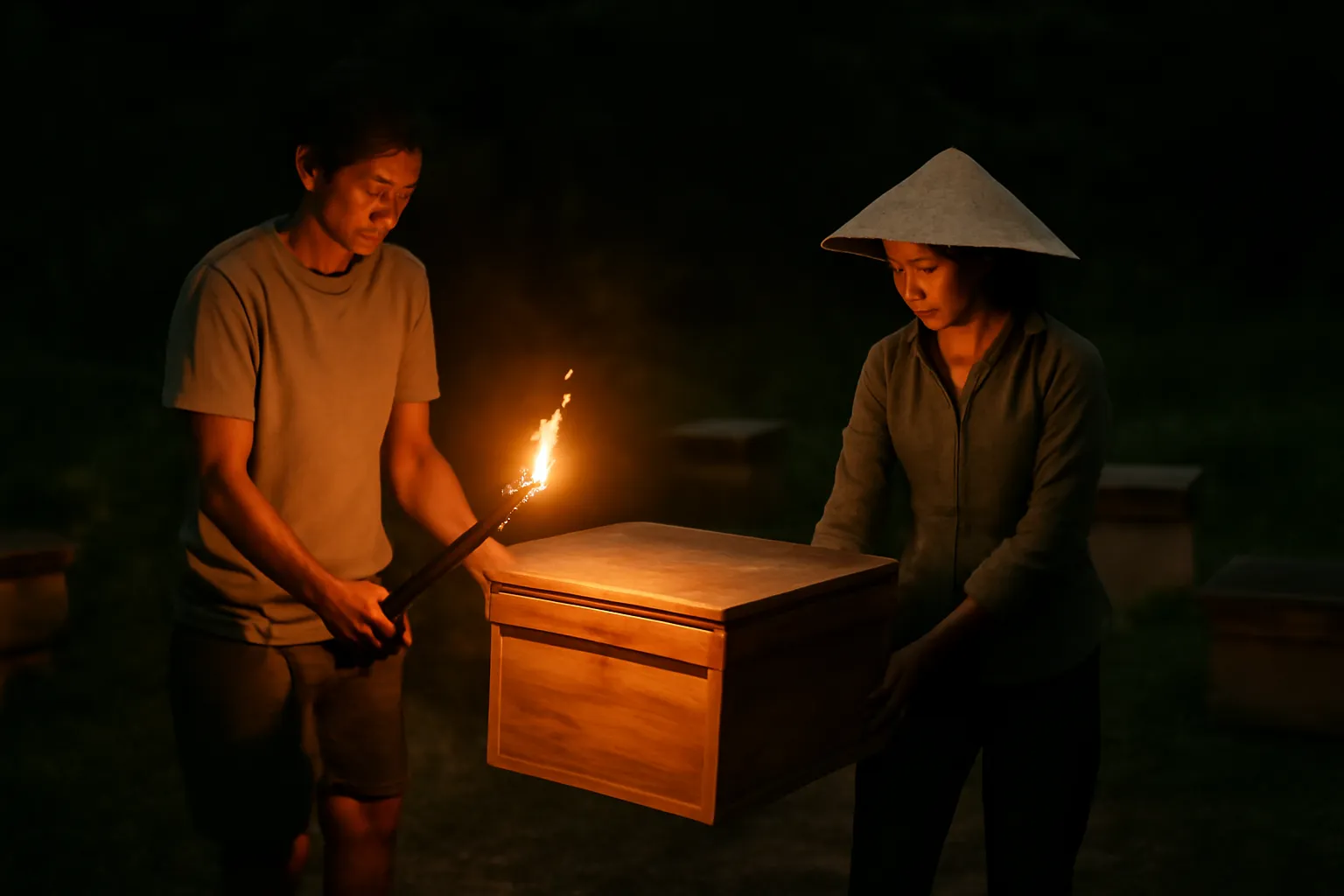
Moving a hive without losing the foragers
Stingless bees return to a remembered location. Move it wrong and the field bees die at the old spot. Two methods that work.
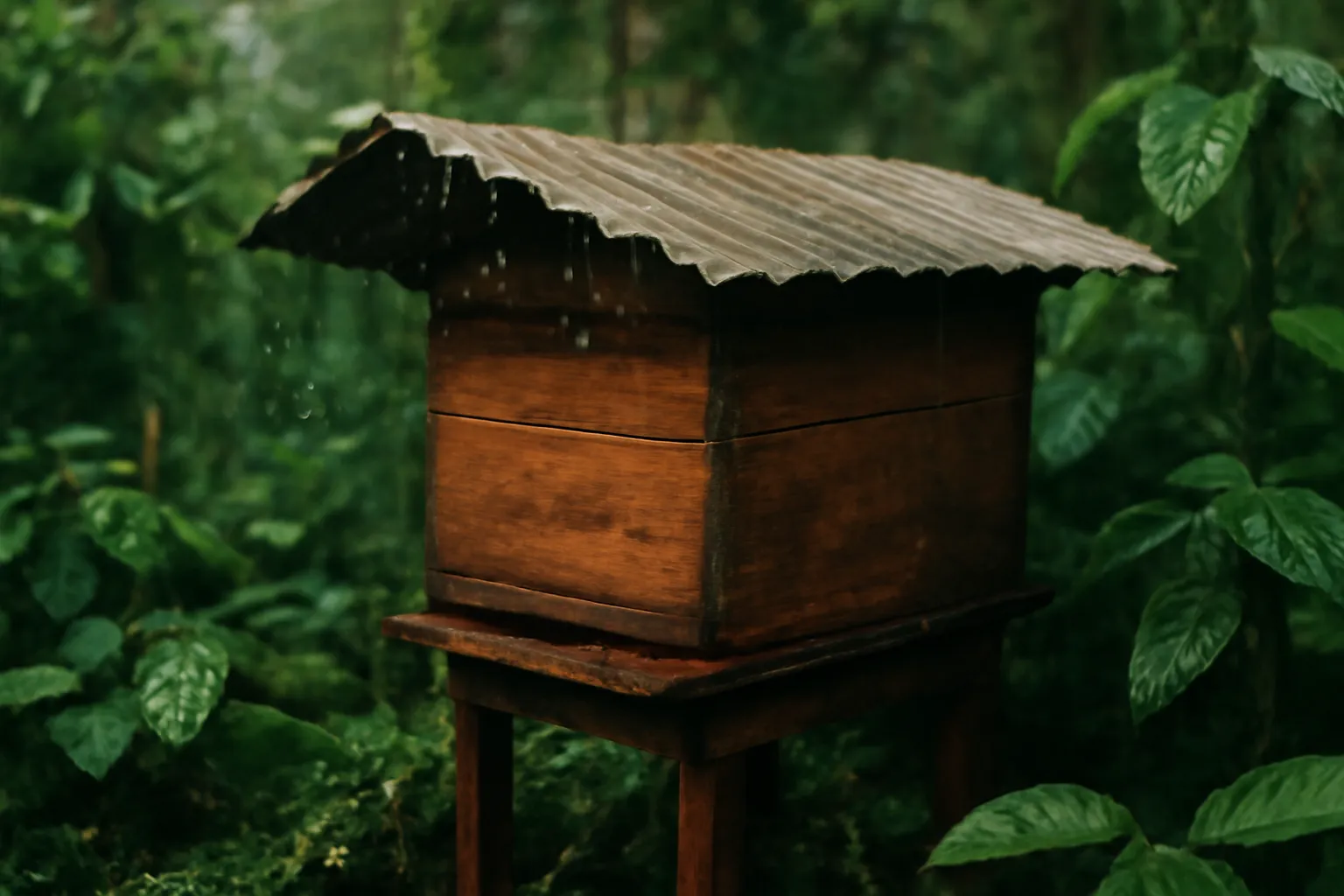
Shade and rain cover: enough without going too far
Too little and the colony overheats; too much and it goes dark and damp. How to build cover that works.
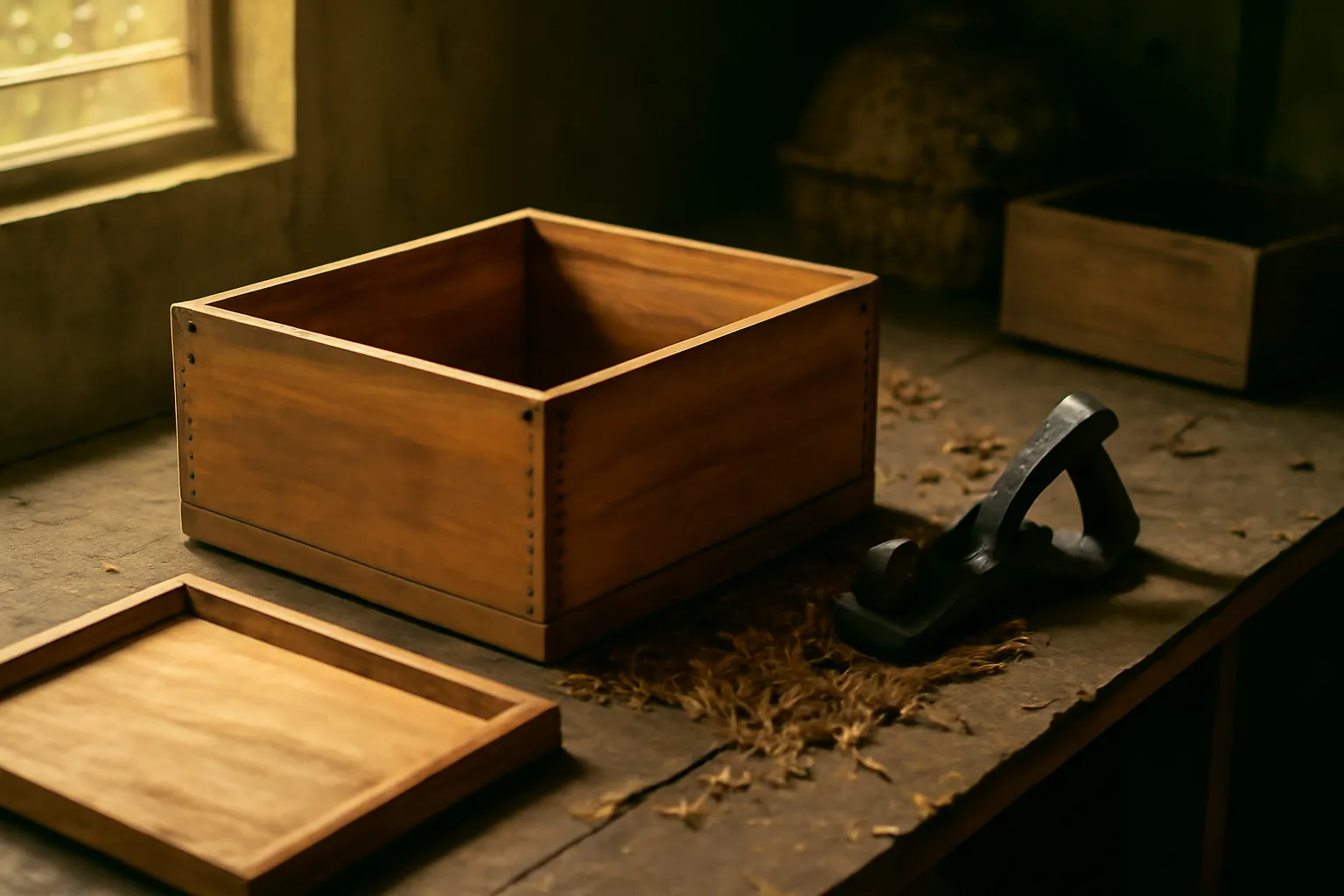
The hive box itself: size, timber and common faults
Too large and the colony cannot fill it; too sealed and it goes damp. What a good box looks like.
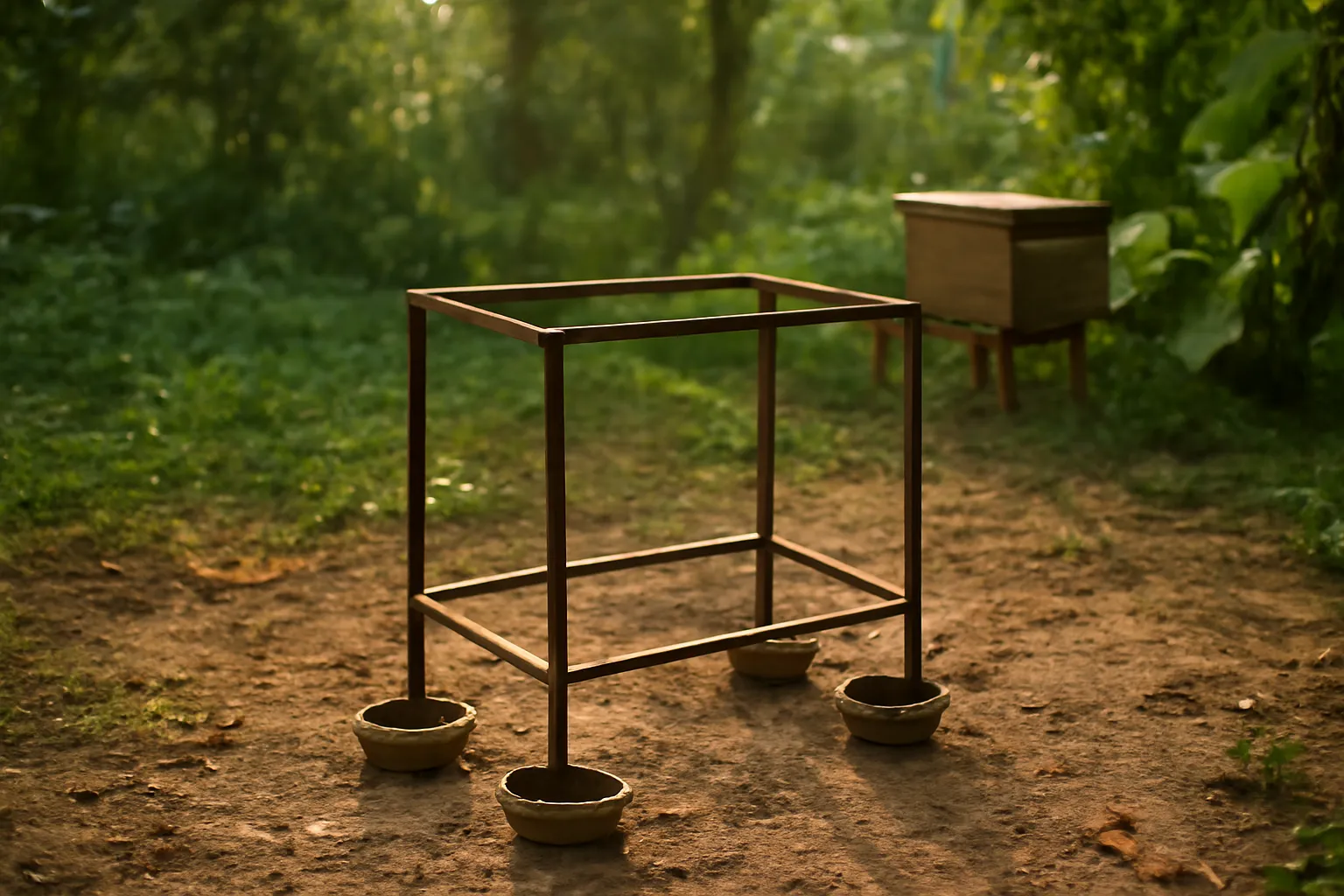
Building a hive stand: four designs and which lasts
A stand is not just height. It is the first line of defence against ants and termites, so how it is built matters.
 ›
×
›
×
A single-origin stingless bee honey from our own apiary in Trang Bang, Tay Ninh. Harvested and bottled by batch, traceable to the colony.
Vietnamese stingless bee honey, built for export
© 2026 Aron Bee. All rights reserved. · Copyright · OD-1C4F-F69A