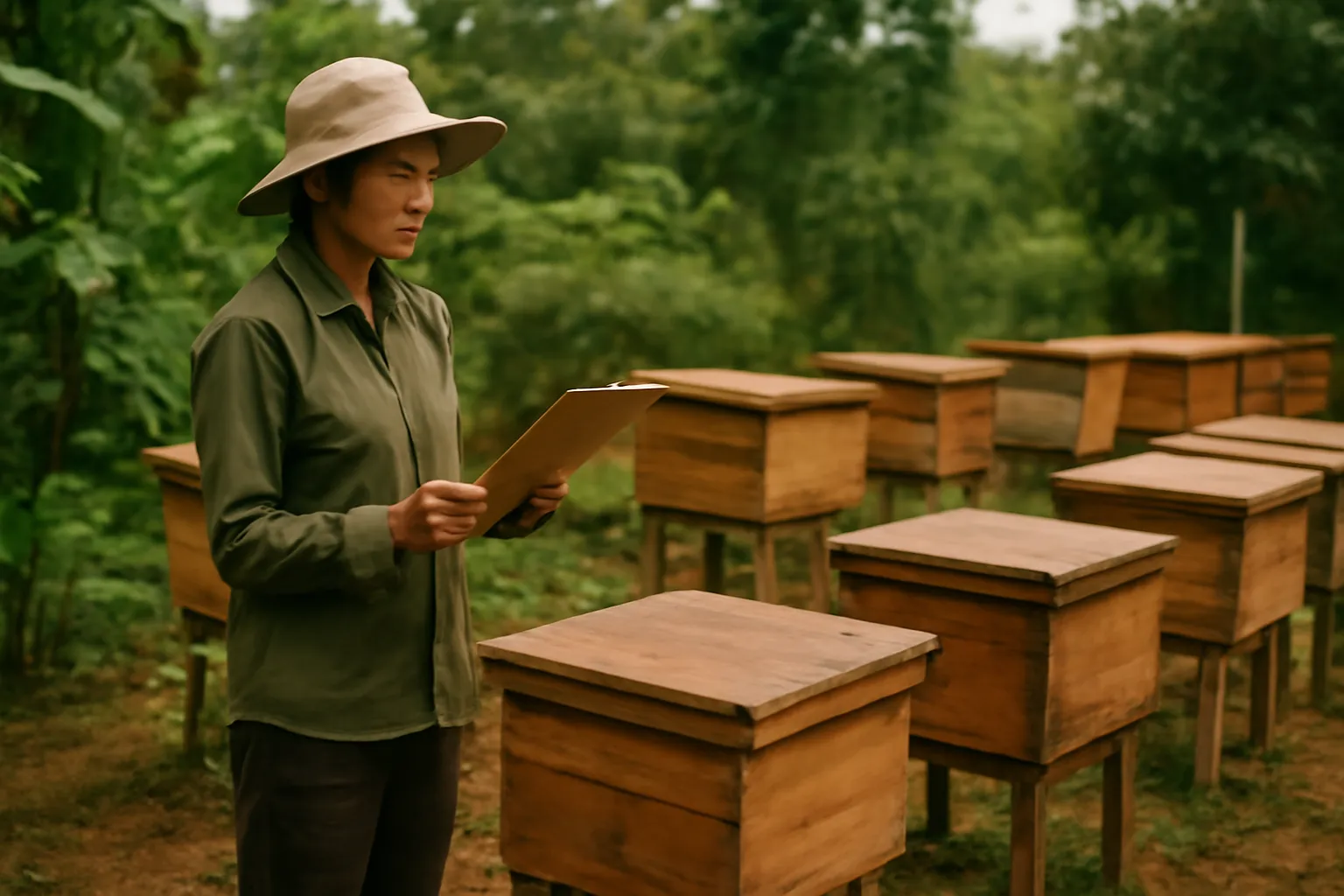
Certification and paperwork for a small apiary: where to begin
Small keepers often treat paperwork as something for large companies, then find themselves unprepared when a wholesale order or an export opportunity arrives. In practice most of the work consists of things worth doing anyway.
Step 1: colony records — start now, costs nothing
Harvest date, which colonies, how much. This is the foundation of any traceability system later, and if you start late there is no way to reconstruct the past.
Step 2: batch codes on labels
One code per bottling run, linked to the colony records. A simple, consistent rule is enough; no expensive software is required.
Step 3: a complete label
Product name, volume and net weight, responsible business, packing date, shelf life, storage instructions. These are general requirements for food placed on the market, and they are also what a buyer looks at.
Step 4: laboratory testing
Send a sample for moisture, sugar profile and basic safety parameters. The result serves both to show wholesale buyers and to tell you where your own honey actually sits. Moisture is the parameter that matters most for this honey, because it governs how well it keeps.
Step 5: register the business
Needed once sales are steady and invoices are required. It is also a precondition for joining local programmes such as OCOP.
Step 6: programme certification
Schemes like OCOP assess product quality, the story of the production area, packaging and organisational capability. If the five steps above are done, most of the file already exists. Specific procedures and submission windows vary by province, so ask the local agricultural office rather than relying on general guidance online.
On export
Requirements differ by destination market and change over time — labelling to FDA standards for the United States is one example. The thing to do early is not to chase individual regulations but to build the traceability and consistency that let you meet them when an opportunity appears.
Frequently asked
Can an apiary of a few colonies certify?
Scale is a genuine obstacle, since these schemes expect reliable supply. The foundational steps are still worth doing, and small keepers can group together.
Is laboratory testing expensive?
A single sample with basic parameters is within reach of a small operation, and it need not be done for every batch. Ask several laboratories for quotes.
Can I sell without any of this?
Local retail sales commonly happen without it. Selling into shops, supermarkets or export markets does not, and starting the paperwork at that point is too late.

Keeping customers: what a small apiary can do that a brand cannot
With this yield you do not need many customers. You need the ones you have to come back.
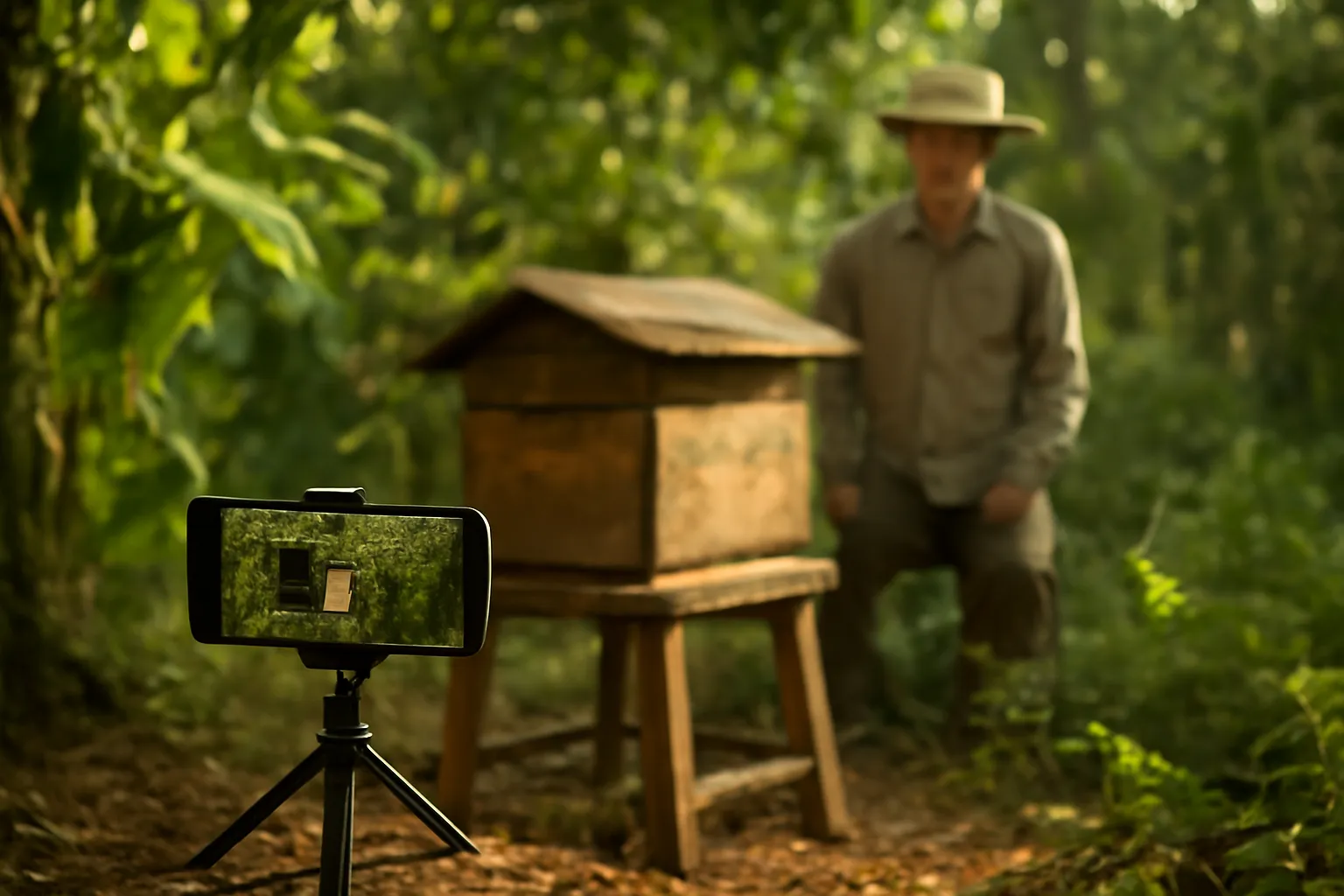
Selling online when the buyer cannot taste it
Four things that substitute for standing in front of the buyer with a spoon.
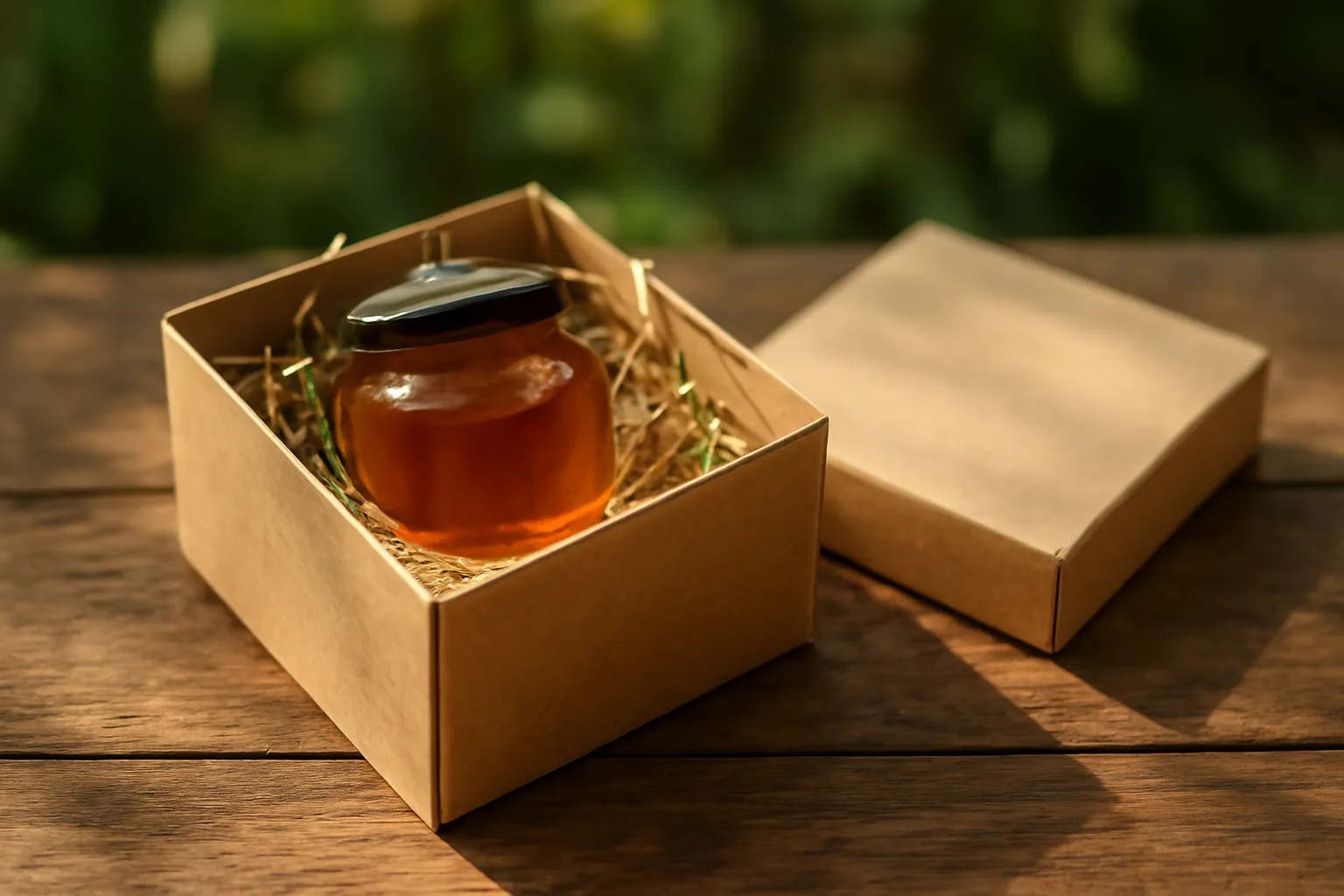
Packaging honey as a gift: what pays for itself and what does not
Gift packaging genuinely raises the price a jar can command. Some of it does nothing but add cost.

Four kinds of buyer, and what to say to each
People buy this honey for four different reasons. Say the wrong one and you lose the sale even with a good product.
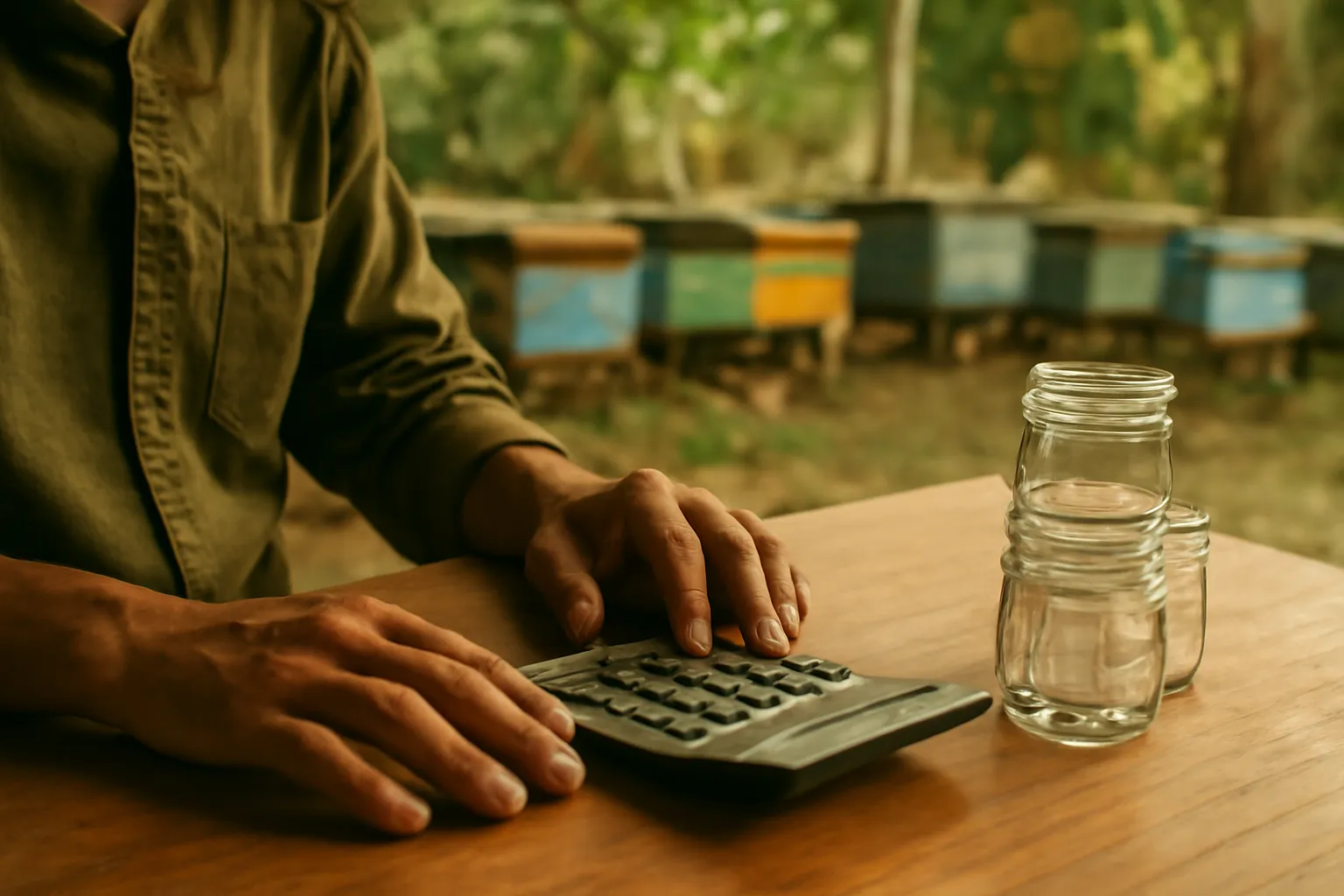
Pricing your honey from real costs, not from what others charge
Looking at a competitor and shaving a little off is the fastest way to lose money. How a small apiary works out its floor.
 ›
×
›
×
A single-origin stingless bee honey from our own apiary in Trang Bang, Tay Ninh. Harvested and bottled by batch, traceable to the colony.
Vietnamese stingless bee honey, built for export
© 2026 Aron Bee. All rights reserved. · Copyright · OD-1C4F-F69A